In a cryptocurrency landscape often dominated by the ascendant trajectories of Bitcoin (BTC) and Ethereum (ETH), the non-fungible token (NFT) market has experienced a significant downturn, marking a palpable loss of mainstream appeal. NFTs, digital assets representing unique ownership of items like digital art, collectibles, and virtual real estate recorded on a blockchain, have seen their once-feverish popularity wane considerably. This decline is underscored by a stark reduction in search interest and a precipitous drop in sales volume, painting a picture of a market undergoing a significant correction.
According to a recent report by Bloomberg, searches for "NFT" on Google have plummeted to their lowest point since 2021, the year when NFTs first captured the public imagination and experienced an unprecedented surge in value and interest. This sharp decrease in search volume is a potent indicator of waning public engagement and a broader shift in investor sentiment away from the NFT space. The initial wave of excitement, fueled by high-profile sales and the promise of digital ownership, appears to have receded, leaving a market struggling to regain its footing.
A Dramatic Contraction in Sales Volume
The diminished popularity of NFTs is starkly reflected in their sales figures. Data compiled by blockchain analytics firm DappRadar reveals a concerning trend: NFT sales have fallen by over six percent in the first five months of 2024, totaling approximately $8.5 billion. This figure represents a significant decline when compared to the same period in the preceding year. The contrast becomes even more pronounced when juxtaposed with the market’s zenith in January 2022, when NFT sales astonishingly reached $17.2 billion within a single month. This dramatic contraction highlights the scale of the current market correction and the substantial loss of capital that has exited the NFT ecosystem.
The report also points to a critical juncture in market sentiment that occurred last month. The United States Securities and Exchange Commission (SEC) initiated the process of approving exchange-traded funds (ETFs) that would directly invest in Ethereum. This development appears to have acted as a catalyst for a significant reallocation of capital within the crypto market. In anticipation of these Ethereum ETFs, a discernible number of investors reportedly began shifting their investments from NFTs into ETH, effectively divesting from the digital collectibles market to capitalize on the perceived imminent growth of ETH-backed financial products.
Nicolas Lallement, co-founder of NFT data aggregator NFT Price Floor, elaborated on this phenomenon, explaining that such capital rotation is a common occurrence in the dynamic cryptocurrency markets. He noted that Ethereum, with its growing ecosystem and the prospect of institutional adoption via ETFs, is likely to continue attracting and absorbing substantial market capital. This influx into ETH naturally exerts downward pressure on the prices of other, less favored assets, such as NFTs.
Prominent NFT Collections Face Steep Price Declines
The impact of this market shift is evident across a spectrum of popular NFT collections. Many of these once-coveted digital assets have experienced substantial price depreciation throughout the current year. NFT Price Floor reports indicate that the year-to-date price declines for many prominent NFT collections range from 40% to 50%.
CryptoPunks, an iconic collection of pixelated avatars minted on the Ethereum blockchain and one of the earliest successful NFT projects, is now trading at levels reminiscent of 2021. Its current floor price represents a 29% decrease from its lowest point in the previous year, signaling a significant loss of value for holders.
Similarly, other highly recognizable collections such as the Bored Ape Yacht Club (BAYC) and Chromie Squiggle have witnessed their floor prices, which represent the lowest price for an NFT within that collection, on the Ethereum network plummet to approximately half of their valuations at the lowest point of last year. This widespread depreciation across blue-chip NFT projects underscores the broad-based nature of the current market downturn.
A Looming Market Correction and Shifting Investor Strategies

Daniel Maegaard, a seasoned NFT collector, corroborated the observations of widespread price stagnation and decline within the NFT market. He noted that after the peak euphoria experienced in 2021, most NFT collections have either continued their downward trajectory or remained stagnant. Maegaard himself has recently engaged in selling several of his high-value NFTs, including works by prominent digital artists such as XCOPY, Hackatao, and Coldie, indicating a strategic move to de-risk or capitalize on any remaining liquidity.
While acknowledging that some specific NFT art collections, such as those by XCOPY, have managed to post positive returns over the past 90 days, Lallement maintained that the overarching trend strongly suggests an ongoing market correction. This correction, he explained, is a natural part of the asset lifecycle, especially for nascent and speculative markets like NFTs, where valuations can be driven by hype as much as by intrinsic value.
Despite the prevailing challenges, some platforms within the NFT ecosystem have demonstrated a degree of resilience. Magic Eden, a prominent NFT marketplace, has been actively gaining market share. According to Sara Gherghelas, an analyst at DappRadar, trading activity on the Magic Eden platform has seen an increase. While Magic Eden did record a significant volume of transactions in April, the overall trading activity across the NFT market has since experienced a reduction. This suggests that while consolidation is occurring, certain platforms are better positioned to weather the storm, potentially attracting users from less successful competitors.
The current state of the non-fungible token market is undeniably characterized by a decline in its perceived value and a noticeable dip in investor enthusiasm. While isolated instances of positive performance exist within specific collections, the broader market sentiment points towards a continuation of the NFT market correction. This period of recalibration is likely to be a defining moment for the sector, potentially leading to a more mature and sustainable market in the long term, albeit one that is significantly smaller and more discerning than its peak.
Ethereum’s Performance Amidst NFT Downturn
The performance of Ethereum (ETH) itself provides a crucial backdrop to the NFT market’s struggles. At the time of reporting, ETH was trading at approximately $3,480. This valuation followed a sharp downturn, mirroring the broader market’s reaction, with a notable 5% drop in the preceding 24 hours and an over 8% decline in the past seven days. The price action of ETH, as illustrated by its daily chart, indicates a downward trend, suggesting that the cryptocurrency, despite the anticipated influx of capital from ETFs, is currently experiencing selling pressure. This correlation between ETH’s price movement and the NFT market’s performance is not coincidental, given that the vast majority of high-value NFTs are minted and traded on the Ethereum blockchain.
The anticipated approval of Ethereum ETFs by the SEC represents a pivotal moment for the cryptocurrency and its underlying blockchain technology. The potential for increased institutional investment could provide a significant boost to the ETH ecosystem. However, the immediate impact on the NFT market remains uncertain. While some argue that increased ETH liquidity could eventually trickle down to NFTs, others believe that the focus on ETH as an asset class itself may further sideline speculative NFT investments.
The current market dynamic suggests a period of consolidation and re-evaluation for NFTs. The initial speculative frenzy has subsided, and investors are now likely to be more discerning, focusing on projects with genuine utility, strong communities, and sustainable economic models. The path forward for NFTs will likely involve a deeper integration with gaming, metaverses, and other applications where digital ownership provides tangible value, rather than solely relying on art and collectibles as the primary drivers of demand.
The broader implications of this NFT market correction extend beyond just digital assets. It serves as a cautionary tale about the speculative nature of emerging technologies and the importance of fundamental value versus hype. As the cryptocurrency space matures, investors are increasingly seeking tangible use cases and robust technological foundations. The NFT market’s journey from unprecedented boom to significant correction offers valuable lessons for the entire digital asset industry.
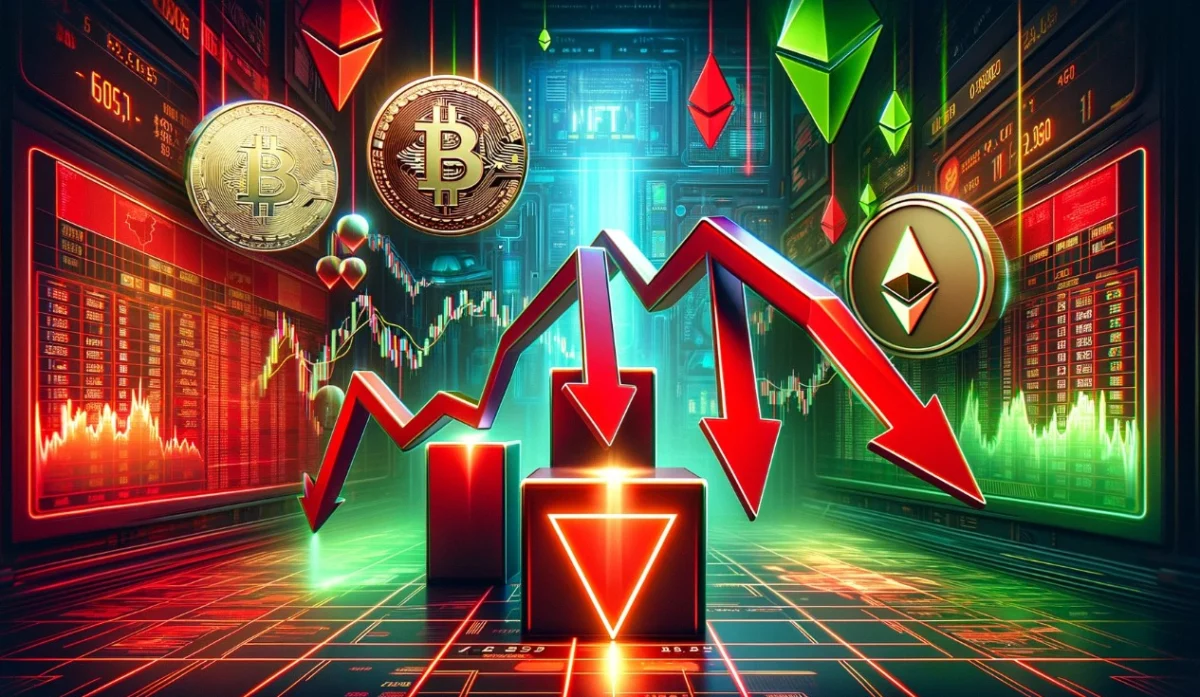
Featured image from DALL-E, chart from TradingView.com.