The digital frontier is rapidly evolving, offering unprecedented opportunities for creators and innovators to establish ownership and value in the online world. The ability to create Non-Fungible Tokens (NFTs) and BRC-20 tokens presents a compelling proposition for artists, developers, and entrepreneurs alike, promising new avenues for monetization, community building, and digital asset management. However, this burgeoning landscape is not without its complexities, demanding a nuanced understanding of underlying technologies, financial considerations, and potential regulatory frameworks. As the digital asset ecosystem matures, a balanced approach that prioritizes informed decision-making and responsible engagement is paramount for navigating its vast potential.
Understanding the Fundamentals: NFTs and BRC-20 Tokens
At their core, both NFTs and BRC-20 tokens represent distinct forms of digital assets built on blockchain technology, yet they serve different purposes and operate with unique characteristics.
Non-Fungible Tokens (NFTs): Unique Digital Assets
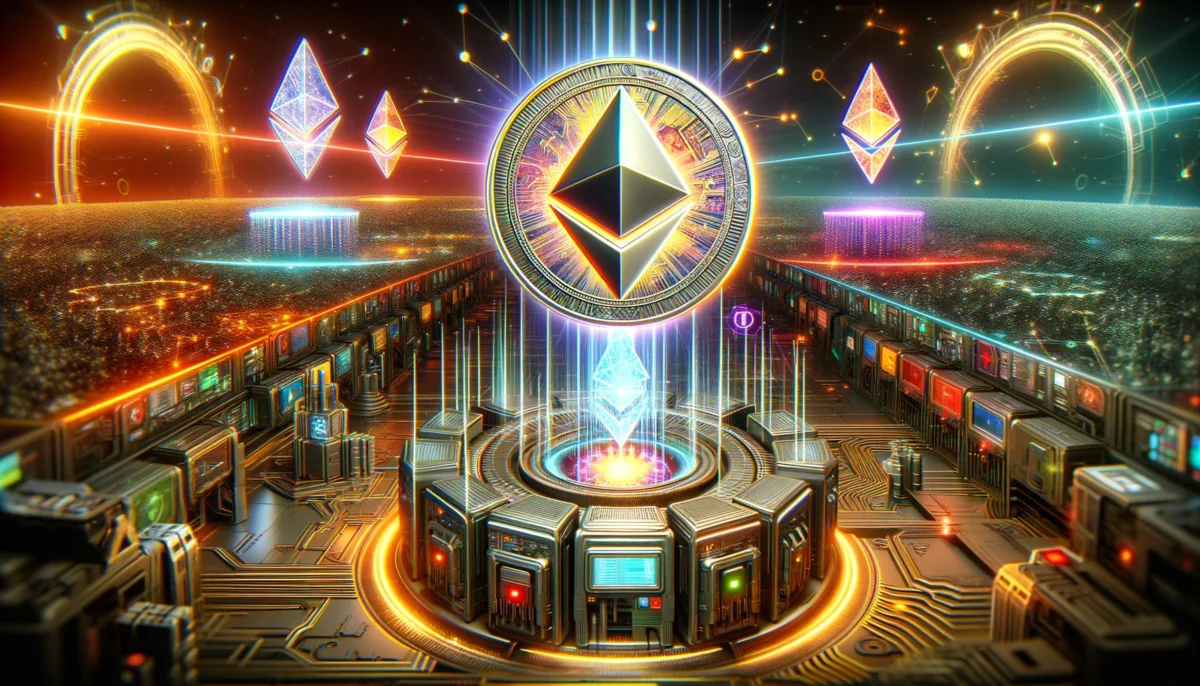
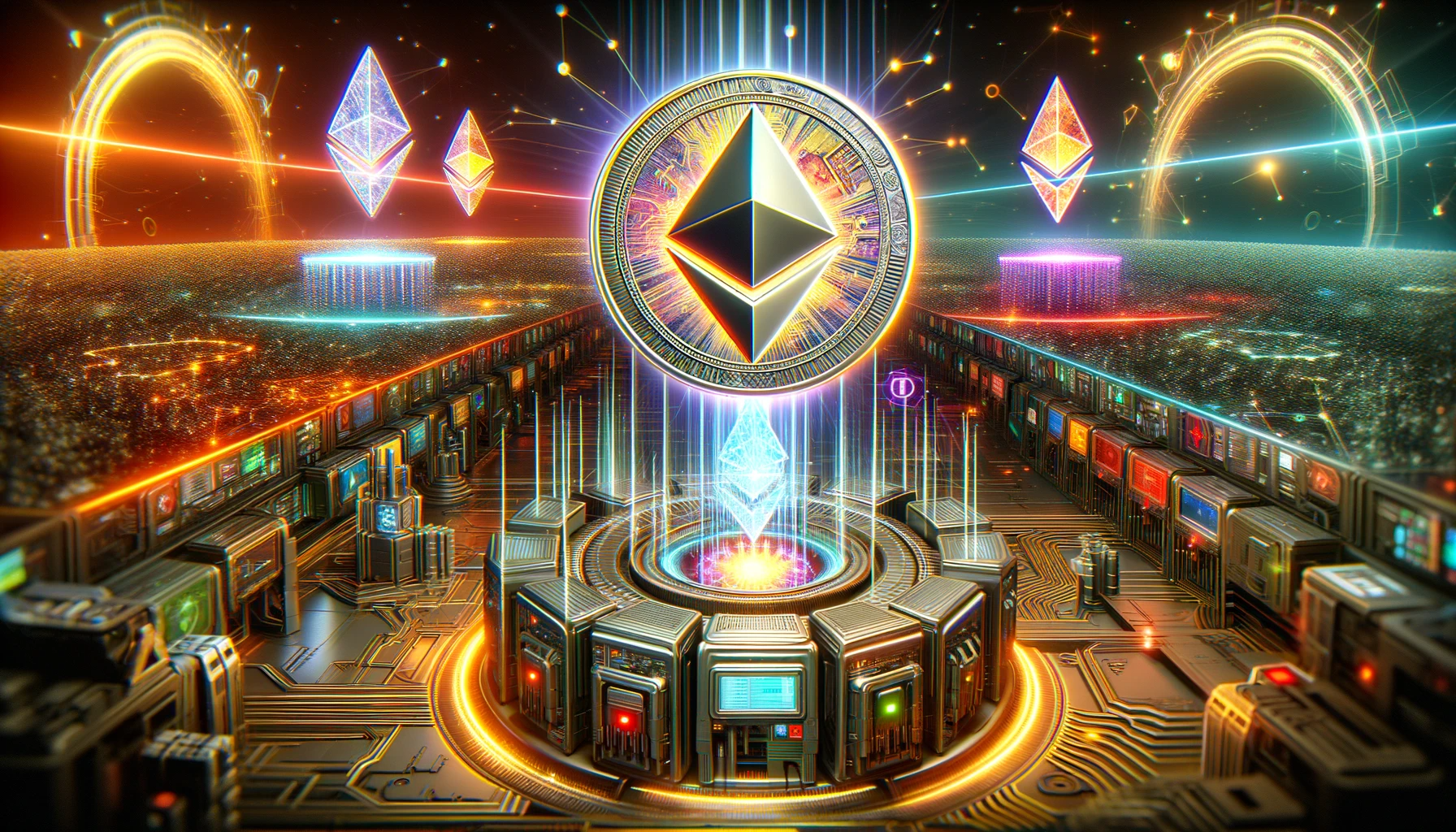
NFTs are unique digital assets that signify ownership or proof of authenticity for a specific item or piece of content. Unlike fungible cryptocurrencies such as Bitcoin or Ethereum, where one unit is interchangeable with another, each NFT possesses a distinct identity and metadata. This inherent uniqueness makes them ideal for representing ownership of digital art, music, videos, virtual real estate, collectibles, and even in-game items.
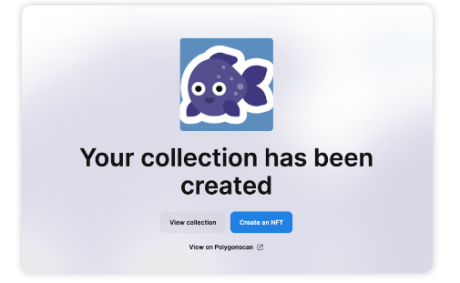
The creation and trading of NFTs typically occur on blockchain platforms like Ethereum, Binance Smart Chain, and Solana, facilitated by decentralized marketplaces such as OpenSea, Magic Eden, and Rarible. These platforms leverage smart contracts to establish verifiable ownership, ensuring transparent and immutable transactions. The value of an NFT is derived from its uniqueness, provenance, scarcity, and the perceived value of the underlying asset it represents. The global NFT market experienced a significant boom in 2021, with trading volumes reaching hundreds of billions of dollars, though it has since seen periods of consolidation and adjustment.

BRC-20 Tokens: Fungible Tokens on the Bitcoin Network
BRC-20 tokens, on the other hand, are an experimental fungible token standard built on the Bitcoin blockchain, utilizing the Ordinals protocol. The Ordinals protocol allows for the inscription of data, including token information, onto individual satoshis (the smallest unit of Bitcoin). This enables the creation of fungible tokens directly on the Bitcoin network, which has historically been optimized for a single cryptocurrency.
The advent of BRC-20 tokens has opened up new possibilities for utility and speculation within the Bitcoin ecosystem, mirroring some of the functionalities seen in token standards on other blockchains like Ethereum’s ERC-20. However, it’s crucial to note that the BRC-20 standard is still in its early stages of development and is considered experimental. The creation and management of BRC-20 tokens often involve specific wallets and marketplaces designed to interact with the Ordinals protocol. The market for BRC-20 tokens has seen rapid growth and significant volatility, attracting both enthusiasts and speculators interested in exploring the potential of fungible tokens on Bitcoin.
The Creative Drive: Why Create NFTs and BRC-20 Tokens?
The allure of creating one’s own digital assets stems from a combination of creative expression, potential financial empowerment, and the desire to engage with emerging digital communities.
For artists, designers, and musicians, NFTs offer a revolutionary way to monetize their digital creations. They can directly sell their artwork, music, or other digital content as unique tokens, retaining ownership rights and potentially earning royalties on secondary sales. This bypasses traditional intermediaries and grants creators a greater degree of control over their intellectual property and revenue streams. Beyond individual artists, NFTs have fostered passionate communities around shared interests. They can grant holders exclusive access to content, events, or virtual spaces, creating a sense of belonging and shared investment in a project. Furthermore, NFTs can serve as powerful fundraising tools for various causes, allowing organizations to offer unique digital assets in exchange for contributions.
Similarly, the ability to create BRC-20 tokens allows developers and entrepreneurs to experiment with new forms of utility and value within the Bitcoin ecosystem. This could range from creating in-game currencies for decentralized applications to establishing new forms of digital collectibles or even facilitating micro-transactions. The novelty of bringing fungible tokens to the historically robust Bitcoin network has sparked considerable interest and innovation.
Navigating the Technical and Financial Landscape
While the possibilities are exciting, venturing into the creation of NFTs and BRC-20 tokens requires a solid understanding of the underlying technologies and a careful assessment of financial risks.
Technical Prerequisites:
- Blockchain Technology: A fundamental understanding of how blockchains operate, including concepts like decentralization, distributed ledgers, cryptography, and consensus mechanisms, is essential.
- Smart Contracts: For NFT creation, particularly on platforms like Ethereum, knowledge of smart contract programming (e.g., Solidity) is often necessary, or at least an understanding of how smart contracts function to manage ownership and transactions.
- Wallet Management: Users must be proficient in using cryptocurrency wallets to store, manage, and transact with digital assets. This includes understanding private keys, seed phrases, and network compatibility.
- Token Standards: Familiarity with token standards like ERC-721 (for NFTs on Ethereum), ERC-1155 (for multi-token NFTs), and the BRC-20 standard for Bitcoin is crucial.
Financial Considerations and Risks:
- Gas Fees: Interacting with blockchains, especially during token creation and transactions, incurs "gas fees" – payments made to miners or validators for processing transactions. These fees can fluctuate significantly based on network congestion, impacting the cost of minting NFTs or deploying BRC-20 tokens.
- Volatility: The value of digital assets, including NFTs and BRC-20 tokens, can be highly volatile. Market sentiment, adoption rates, and broader economic factors can lead to rapid price swings.
- Marketplace Fees: Decentralized marketplaces typically charge fees for listing, selling, or buying NFTs and BRC-20 tokens.
- Regulatory Uncertainty: The regulatory landscape surrounding digital assets is still evolving. Creators and investors should be aware of potential regulations concerning securities, intellectual property, and taxation in their respective jurisdictions.
- Scams and Fraud: The nascent nature of the digital asset space also makes it susceptible to scams, phishing attempts, and fraudulent projects. Due diligence and caution are paramount.
Before embarking on the creation process, it is crucial for individuals to assess their goals, available resources, technical proficiency, and risk tolerance. A responsible and informed approach is key to navigating this dynamic and rapidly evolving landscape.
A Step-by-Step Guide to Creating NFTs on OpenSea
OpenSea, a leading decentralized marketplace built on the Ethereum blockchain, provides a user-friendly platform for creating and trading NFTs. This guide outlines the general steps involved in creating an NFT collection and minting directly to your wallet.
1. Preparation and Wallet Connection:
- Choose Your Content: Identify the digital asset you wish to represent as an NFT. This could be digital art, a photograph, a piece of music, a video clip, or any other unique digital item.
- Select a Compatible Wallet: For creating NFTs on Ethereum and its associated marketplaces like OpenSea, you will need a compatible cryptocurrency wallet. Popular choices include MetaMask, Coinbase Wallet, and Trust Wallet. Ensure your wallet is set up and funded with Ether (ETH) to cover potential gas fees.
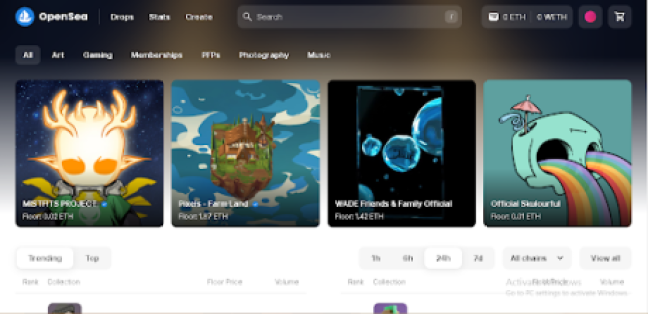
- Access OpenSea: Navigate to the official OpenSea website.
- Connect Your Wallet: Click on the "Login" or "Connect Wallet" button, typically located in the top right corner of the interface. Follow the prompts to authorize the connection between your wallet and OpenSea.
2. Initiating NFT Creation:
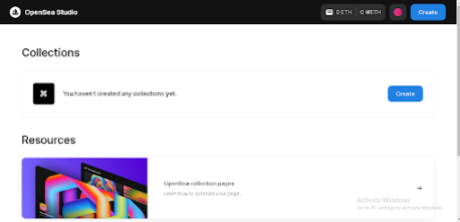
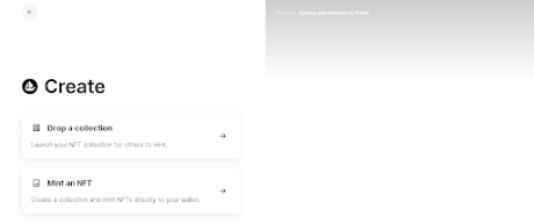
- Navigate to "Studio" or "Create": Once logged in, locate your profile icon or a "Create" button on the OpenSea interface. The exact location may vary slightly with platform updates. Often, there will be an option to access "Studio" or a direct "Create" button.
- Choose "Create a Collection" or "Create an NFT": OpenSea offers two primary paths:
- Create a Collection: This is the recommended approach for organizing multiple NFTs under a single project or theme. It involves deploying a smart contract for your collection first.
- Create an NFT: This option allows you to mint an individual NFT directly without first establishing a dedicated collection. For a more structured approach, creating a collection is generally advised.
3. Deploying a Smart Contract for Your Collection:
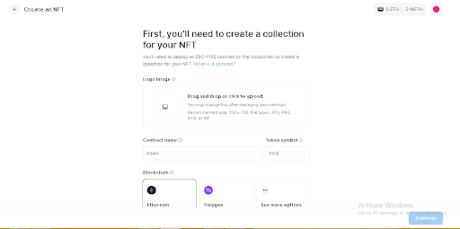
If you opt to "Create a collection," you will be guided through the process of deploying a smart contract. This contract acts as the foundation for all NFTs within that collection.
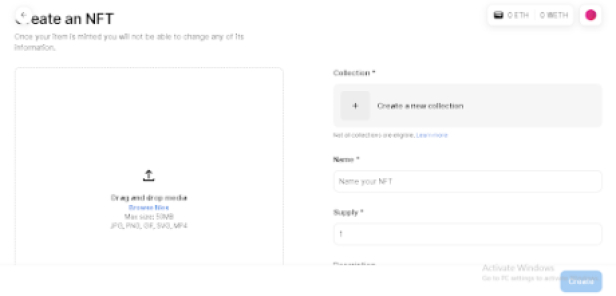
- Upload Logo and Details: You will need to upload a logo image for your collection, provide a name for the collection, and a symbol (a short identifier).
- Select an EVM Blockchain: Choose the Ethereum Virtual Machine (EVM) compatible blockchain on which you wish to deploy your smart contract. Options might include Ethereum Mainnet, Polygon, or other supported networks. The choice can impact gas fees and transaction speeds.
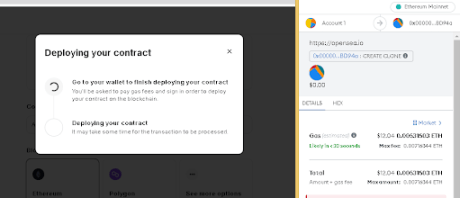
- Review Gas Fees: Deploying a smart contract incurs gas fees. OpenSea will display estimated fees for each blockchain. It’s important to note that these fees are dynamic and can change based on network activity. If the fees are higher than anticipated, you can revisit the process later.
- Confirm Transaction: After reviewing the details and gas fees, click "Continue" or a similar confirmation button. This will trigger a transaction signature request in your connected wallet. You will need to approve this transaction, which will consume a small amount of ETH for gas.
4. Minting Your NFT:
Once your smart contract is deployed (or if you chose to create an NFT directly), you can proceed to mint your individual NFT.
- Upload Media: Upload the digital file that represents your NFT (e.g., an image, video, audio file).
- Select Collection: If you created a collection, choose the relevant collection from the dropdown menu to associate your NFT with it.
- Provide NFT Details:
- Name: Give your NFT a unique and descriptive name.
- External Link (Optional): Provide a link to a website or page where more information about the NFT or its creator can be found.
- Description: Write a compelling description of your NFT, detailing its features, story, or significance.
- Collection: Confirm the collection your NFT belongs to.
- Properties, Levels, Stats (Optional): These can be used to add traits and attributes to your NFT, which can be useful for games or collectibles.
- Unlockable Content (Optional): You can include hidden content that is only accessible to the owner of the NFT, such as high-resolution files, special links, or exclusive information.
- Supply: For NFTs on certain standards like ERC-1155, you can specify the supply, meaning how many identical copies of this NFT will be minted. For a unique, one-of-one NFT, set the supply to 1.
- Blockchain: Confirm the blockchain on which the NFT will be minted.
- Initiate Minting: Click the "Create" button at the bottom of the screen.
- Approve Transaction: A loading message will appear as the item is being processed. To finalize the minting process, you will need to approve another transaction in your wallet, which will again involve gas fees.
5. Confirmation and Listing:
Upon successful approval of the transaction, you will receive a confirmation message. Your NFT is now minted and resides permanently on the blockchain. You can then choose to list your NFT for sale on OpenSea or other compatible marketplaces.
Creating BRC-20 Tokens: A Different Approach
The process of creating BRC-20 tokens differs significantly from NFT creation on platforms like Ethereum, as it leverages the Bitcoin network and the Ordinals protocol.
- Understanding Ordinals: BRC-20 token creation relies on inscribing data onto satoshis using the Ordinals protocol. This involves specific technical tools and understanding of Bitcoin’s scripting capabilities.
- Specialized Wallets and Tools: Creating and managing BRC-20 tokens typically requires specialized wallets that support Ordinals inscriptions. Users also often utilize specific marketplaces or command-line interfaces designed for BRC-20 deployment.
- Deployment Process: The deployment of a BRC-20 token generally involves inscribing a JSON (JavaScript Object Notation) file onto a satoshi, which defines the token’s properties (name, ticker, supply, etc.). This inscription is then broadcast to the Bitcoin network.
- Minting and Trading: After deployment, other users can "mint" the BRC-20 token by inscribing similar JSON files, following the rules set by the deployed token. Trading occurs through marketplaces that support BRC-20 tokens and their associated inscriptions.
- Experimental Nature: It is crucial to reiterate that BRC-20 is an experimental standard. Its long-term viability, security, and integration within the broader Bitcoin ecosystem are still being explored and tested.
Editorial Integrity and Trust
At [News Outlet Name], we are committed to providing accurate, relevant, and impartial news coverage. Our editorial policy is built on the foundation of:
- Accuracy: All information is meticulously fact-checked and verified.
- Relevance: We focus on stories that have a significant impact and interest to our audience.
- Impartiality: Our reporting strives for objectivity, presenting information without bias.
Our content is created by industry experts and undergoes rigorous review processes to ensure the highest standards in reporting and publishing.
Advertising Disclaimer
[This section would typically include a disclaimer regarding advertising content. For example: "This article may contain sponsored content or advertisements. While we strive to maintain editorial independence, advertisers’ content is separate from our news reporting. Readers are advised to conduct their own due diligence regarding any advertised products or services."]
Broader Impact and Future Implications
The increasing accessibility of tools for creating NFTs and BRC-20 tokens signifies a broader trend towards the democratization of digital asset creation. This has profound implications:
- Creator Economy Expansion: It empowers a new generation of digital creators to build sustainable careers and monetize their work directly.
- Innovation in Digital Ownership: It pushes the boundaries of what can be owned and traded digitally, fostering new business models and use cases.
- Decentralization of Value: It contributes to the ongoing shift towards decentralized systems, where individuals have more control over their assets and data.
- Evolution of Blockchain Utility: It demonstrates the adaptability of blockchain technology beyond simple cryptocurrency transactions, enabling diverse applications.
However, the rapid growth also necessitates careful consideration of challenges. Ensuring user education, addressing environmental concerns associated with some blockchain technologies, and establishing clear regulatory frameworks will be critical for the sustainable development of these ecosystems. As the technology matures and adoption grows, the landscape of digital ownership will undoubtedly continue to evolve, offering both immense opportunities and significant responsibilities for all participants.