The cryptocurrency landscape is experiencing a significant expansion, with the number of active blockchain networks surging dramatically. Data aggregator DefiLlama currently tracks over 500 distinct chains, a testament to the rapid proliferation within the decentralized technology sector. This growth, however, is not uniformly distributed, and a closer examination reveals a stark contrast between chains that have captured substantial market share and user engagement, and those that are struggling with diminishing activity despite maintaining significant valuations. Analysis of leading blockchain analytics platforms, such as Alchemy, which identifies 64 chains with considerable market capitalization, indicates that while some networks are flourishing, others are exhibiting signs of decline, raising questions about their long-term sustainability and the health of the broader blockchain ecosystem.
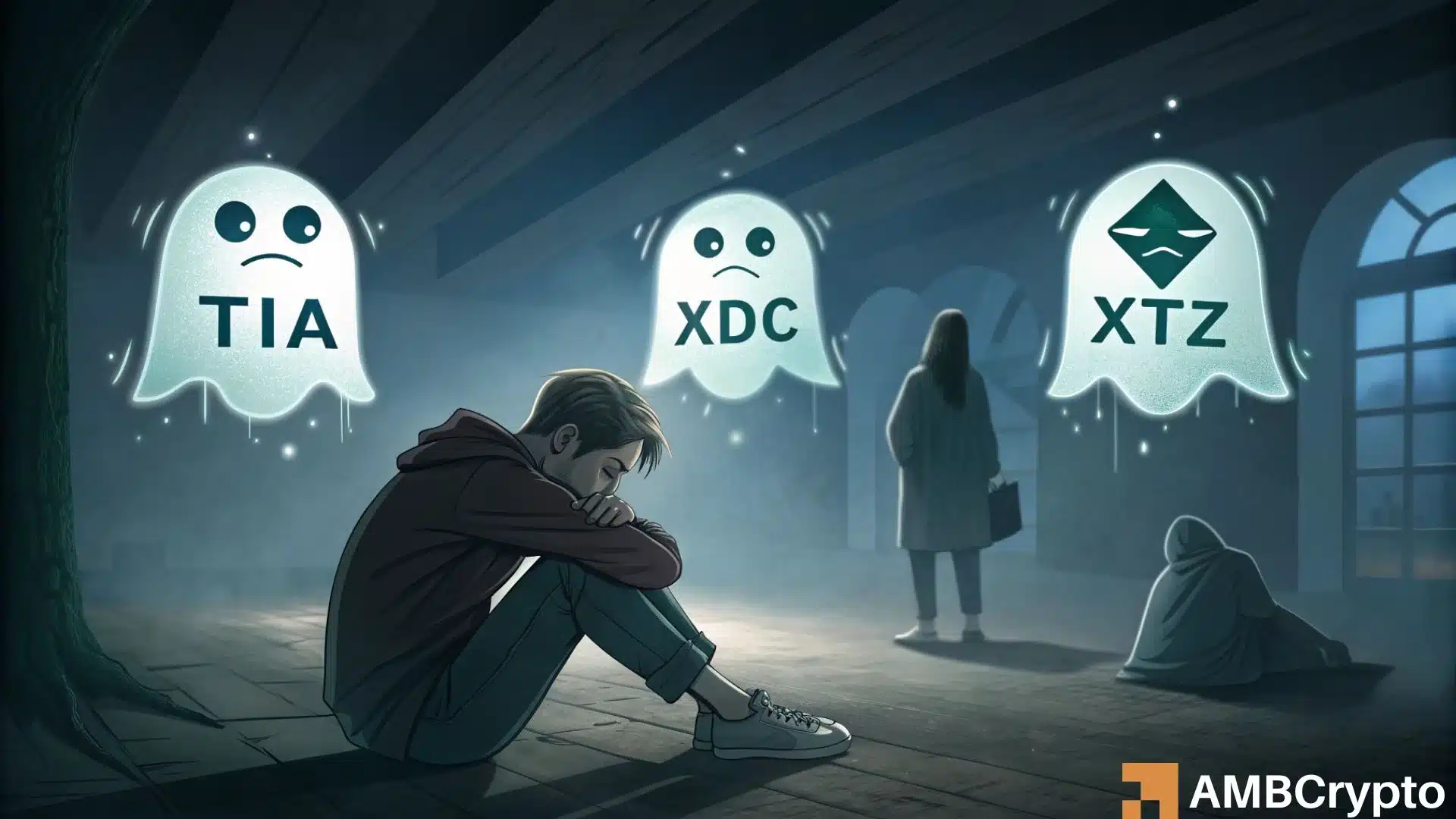
This phenomenon has led to the emergence of what some observers are terming "ghost chains" – networks that possess a high market capitalization but suffer from a critically low number of active users and transactions. This divergence suggests a potential disconnect between speculative investment and genuine utility, a trend that warrants careful consideration for investors and developers alike. The following analysis delves into specific examples of these chains, exploring the data that underpins their declining engagement and the potential implications for their native tokens and the broader decentralized economy.

The Chasm Between Valuation and Utility: Examining Underperforming Chains
The blockchain industry, propelled by the promise of decentralized finance (DeFi) and a myriad of innovative applications, has witnessed a significant influx of capital and development. However, the proliferation of new chains has also highlighted a critical challenge: achieving sustained user adoption and network activity. While the total number of tracked chains has surpassed 500, the number of those considered truly successful, with substantial market capitalization, remains a smaller fraction. This has created a scenario where some projects, despite their impressive market valuations, are experiencing a precipitous drop in the very metrics that define a thriving blockchain – active users and transaction volume.
XDC Network: A Case Study in Declining Engagement
The XDC Network, a hybrid blockchain designed for enterprise solutions, presents a compelling example of this trend. While its market capitalization has seen a considerable reduction, plummeting from an estimated $2 billion to around $644 million, it still ranks among the top 100 cryptocurrencies by market value. This high valuation, however, belies a significant decline in active users.

Data from sources like Token Terminal reveals a stark picture of user attrition. The number of daily active addresses on the XDC Network experienced a staggering decrease of 84.38%, falling from approximately 288,000 in 2021 to around 45,000. The current active user count has dwindled to a mere 16,000. This substantial drop in network participation has directly impacted its native token, XDC, which has seen a 62.5% decline on annualized charts. This suggests that while the network may retain a significant financial valuation, the underlying utility and demand for its services have diminished considerably. The decline in daily active addresses, from hundreds of thousands to tens of thousands, indicates a severe loss of confidence or a shift in user preference away from the XDC ecosystem. This erosion of user base, without a corresponding drop in market capitalization, points to potential speculative holding rather than active network participation driving its valuation.
Celestia: The "Ghost Chain" Phenomenon
Celestia, a modular blockchain network, has also faced significant headwinds, particularly in its adoption rates and overall market demand, leading to its classification by some as a "ghost chain." Analysis of its usage activity indicates a steady decline since its peak in 2024. The network’s Active Addresses metric, a key indicator of user engagement, has seen a dramatic fall. From a 2023 peak of approximately 39,000 active addresses, the number has plummeted by an alarming 96.92% to just 1,200 at the time of reporting.

This precipitous decline in active users suggests a considerable reduction in demand for Celestia’s services and a decrease in network participation. The native token, TIA, has mirrored this trend, experiencing a sharp decline of 98.2% from its all-time high (ATH). Currently trading around $0.35, TIA’s performance underscores the direct correlation between network activity and token value. The rapid depreciation from its ATH indicates that the speculative fervor that may have initially driven its price has waned, leaving a stark reality of low on-chain utility. The sharp drop from a peak of 39,000 active addresses to a mere 1,200 in less than a year is a critical signal of investor and developer disillusionment or a shift in the competitive landscape.
Tezos: Network Sustainability Under Pressure
The Tezos blockchain, known for its on-chain governance and liquid proof-of-stake consensus mechanism, is another network facing challenges related to declining usage, despite maintaining a market capitalization exceeding $400 million. The network’s fee and revenue data, crucial indicators of on-chain activity, have shown a substantial decrease.
According to data compiled by Artemis, Tezos fees and revenue have declined by 68% over the past year. This significant drop in revenue generated from network transactions directly correlates with reduced network activity and participation. In essence, fewer users are conducting transactions, leading to lower fees and consequently, reduced revenue for validators and the network itself. This sustained weakness has been reflected in the performance of its native token, XTZ, which has fallen 95% from its ATH and 47% over the past year. The combined effect of declining fees, revenue, and token price suggests a potential crisis in Tezos’s long-term sustainability if user engagement does not rebound. The 68% drop in fees and revenue over a year is a strong indicator that the network is not attracting new users or retaining existing ones for active participation. This can be a precursor to a death spiral if not addressed, as reduced economic activity can disincentivize validators and developers.

The Intertwined Fate of Network Usage and Token Value
The data from XDC Network, Celestia, and Tezos collectively illustrates a fundamental principle in the blockchain ecosystem: the price and long-term viability of a native token are intrinsically linked to the actual usage and demand for its underlying network. When a blockchain experiences a consistent decline in its user base, transaction volume, and overall network activity, it signals weak demand.
As observed, Celestia (TIA), Tezos (XTZ), and XDC Network (XDC) have all experienced substantial price depreciations during periods of marked weakness in network usage. This direct correlation suggests that speculative investment alone cannot sustain a blockchain’s value indefinitely. For these networks, a continued downward trend in user engagement will likely translate into further price declines for their respective tokens. Conversely, a resurgence in demand for these networks, driven by technological innovation, new use cases, or a broader market shift, could potentially lead to a recovery in their token prices and a renewed period of growth.
The implications of these "ghost chains" extend beyond the individual tokens. They raise broader questions about the sustainability of the current blockchain proliferation model. If a significant number of launched chains struggle to gain traction and maintain active user bases, it could lead to a consolidation of the market, with users and developers gravitating towards a smaller number of established and thriving ecosystems. This could also impact investor confidence in the broader blockchain sector, particularly if the narrative shifts from rapid expansion to one of sustainable utility and adoption.

Navigating the Future: The Importance of Real-World Utility
The current state of the blockchain market underscores a critical juncture. While the sheer number of active networks is impressive, the focus must increasingly shift from the quantity of chains to the quality of their adoption and utility. Projects that can demonstrate sustained, real-world use cases, attract a dedicated user base, and generate meaningful economic activity are more likely to thrive in the long term.
The examples of XDC Network, Celestia, and Tezos serve as important case studies, highlighting the potential pitfalls of high valuations detached from genuine network engagement. For these chains, a significant revitalization of user adoption and transactional activity is paramount to reversing their current trajectory and ensuring the long-term viability of their native tokens. The future of the blockchain industry will likely hinge on the ability of projects to move beyond speculative interest and establish themselves as indispensable tools and platforms for a decentralized future, driven by demonstrable utility rather than solely by market capitalization. The challenge lies in bridging the gap between the technological potential of blockchain and its practical application in solving real-world problems and creating value for users. This will require a concerted effort from developers, entrepreneurs, and the broader community to foster environments where innovation is rewarded with genuine adoption and sustained engagement.