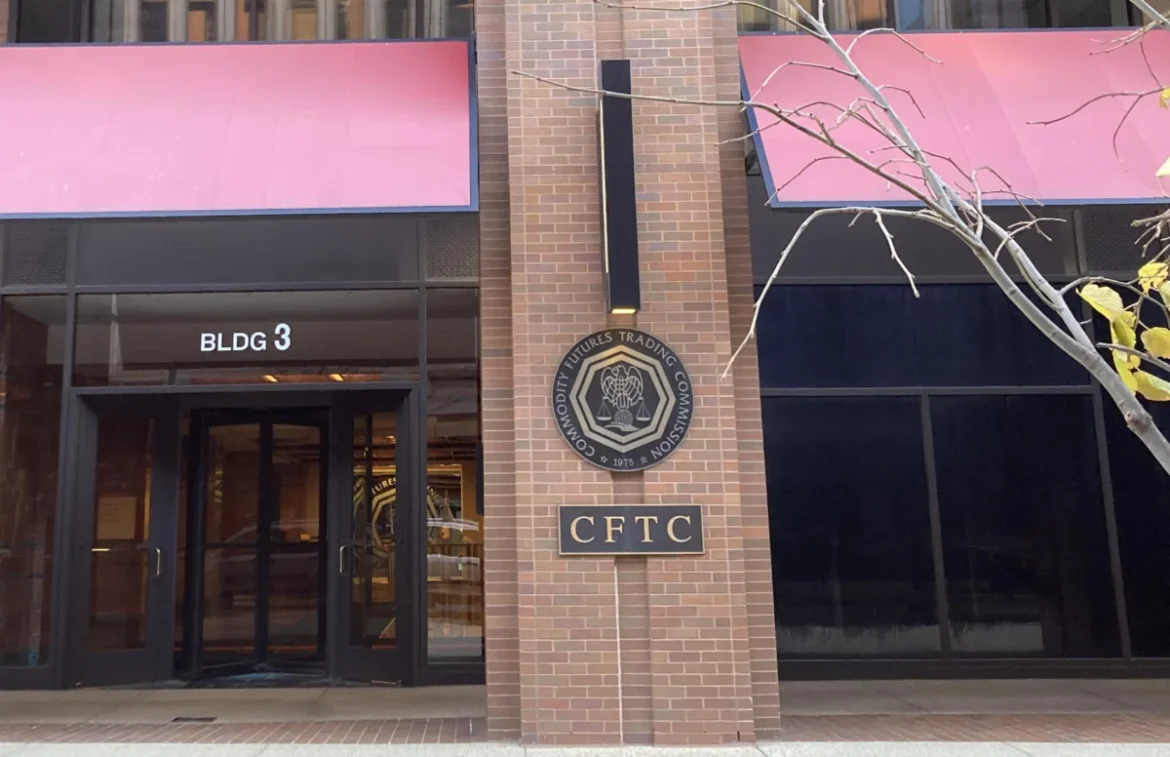
The Commodity Futures Trading Commission (CFTC) has finalized a significant rule change regarding the margin requirements for uncleared swaps, a move that substantially broadens the types of money market funds (MMFs) eligible to be used as initial collateral. This adjustment, which took effect following its finalization this week, addresses a crucial aspect of over-the-counter (OTC) derivatives markets, particularly impacting interest rate and foreign exchange swaps which constitute a dominant portion of trading activity.
Historically, MMFs were permitted as collateral for uncleared swaps, but with a key restriction: they could only invest in cash and government securities. MMFs that engaged in transactions such as reverse repurchase agreements (repos), repurchase agreements, and securities lending were excluded. The CFTC’s revised rule removes this prohibition, thereby expanding the pool of MMFs that can serve as collateral for uncleared swap obligations. This liberalization is poised to have a considerable impact on the liquidity and collateral management strategies within the global derivatives market.
Background: The Evolution of Margin Rules for Uncleared Swaps
The impetus for these margin rules stems from the 2008 global financial crisis. Regulators worldwide recognized that the interconnectedness and opacity of OTC derivatives markets posed systemic risks. A key recommendation from the G20 was to increase the transparency and reduce the risk of these markets. A significant component of this reform was the introduction of mandatory initial and variation margin requirements for uncleared swaps, aimed at mitigating counterparty credit risk.
The Dodd-Frank Wall Street Reform and Consumer Protection Act of 2010 mandated that the CFTC implement rules to this effect. Initial margin, posted by both counterparties in a transaction, acts as a buffer against potential future losses arising from adverse price movements in the underlying asset. The choice of eligible collateral is therefore critical, influencing market liquidity and the operational burden on financial institutions.
The Role of Money Market Funds in Collateral
Money market funds, which pool investor cash to invest in short-term, high-quality debt instruments, have long been a preferred source of collateral due to their perceived safety and liquidity. However, the specific composition of MMF portfolios has been a point of contention. The CFTC’s previous stance reflected a concern that certain MMF activities, such as reverse repos, could introduce complexities or risks that were not adequately captured by the existing collateral framework.
Reverse repo transactions, a common practice for many government MMFs operating under the U.S. Securities and Exchange Commission’s (SEC) Rule 2a-7, involve lending cash in exchange for receiving government securities as collateral. This is generally considered a low-risk operation. In the event of a default by the cash borrower, the MMF retains ownership of the government securities, mitigating potential losses. Data from the Office of Financial Research (OFR) indicated that as of October 2025, U.S. MMFs had approximately $1.7 trillion invested in Treasury repo transactions, underscoring their significant participation in this market segment.
The historical crises in the money market fund sector, such as the "breaking the buck" incident involving certain prime MMFs during the 2008 crisis, were largely attributed to investments in corporate debt or non-government securities. These prime MMFs, which hold a broader range of assets, remain ineligible as collateral under the newly finalized CFTC rule, maintaining a distinction based on the perceived risk profile of their underlying investments.
The CFTC’s Decision and Rationale
The CFTC’s decision to remove the restriction on MMFs engaging in reverse repo and similar activities reflects a recalibration of its risk assessment. The commission appears to have concluded that these transactions, particularly when collateralized by government securities, do not pose an undue risk to the stability of the collateral pool for uncleared swaps. This aligns with the generally accepted view that government securities offer a high degree of safety and liquidity.
Crucially, the CFTC deliberately chose not to impose additional conditions on this expanded eligibility. Several proposals were considered and ultimately rejected, including:
- Volume Caps: Limiting the amount of collateral that could be sourced from MMFs involved in repo transactions.
- Additional Haircuts: Applying a higher margin rate or "haircut" to MMF collateral to account for any perceived residual risk.
- Central Clearing Requirements: Mandating that repo transactions undertaken by MMFs be centrally cleared.
The commission’s rationale for rejecting these measures is multifaceted. It noted that the SEC’s own compliance date for the central clearing of Treasury repos has been deferred to June 30, 2027, suggesting a broader regulatory approach to this market segment. By not imposing immediate additional burdens, the CFTC aims to facilitate market access and reduce friction in collateral management for uncleared swaps.
Implications for the Derivatives Market
This rule change carries several significant implications for market participants:
- Enhanced Collateral Availability: A wider range of MMFs can now be utilized as collateral, potentially increasing the supply of eligible assets and easing collateral constraints for firms engaged in uncleared swap trading. This could lead to more efficient collateral allocation and potentially lower funding costs.
- Increased Liquidity: By allowing more MMFs to be used, the rule could bolster liquidity in the collateral markets, making it easier for firms to meet their margin obligations. This is particularly relevant during periods of market stress when collateral availability can become a critical factor.
- Operational Efficiencies: Financial institutions may be able to streamline their collateral management processes by diversifying their sources of eligible collateral. This could reduce the operational complexity and cost associated with meeting margin requirements.
- Focus on MMFs: The decision places MMFs, particularly those with robust government securities holdings and participation in repo markets, at the forefront of collateral discussions. This could lead to increased scrutiny and innovation within the MMF industry itself, as firms seek to optimize their offerings for collateral purposes.
The Broader Context: Tokenized Collateral and Future Trends
The CFTC’s decision also arrives at a time of heightened interest in the potential of tokenized collateral. Discussions are ongoing within the industry about how digital assets and distributed ledger technology (DLT) could revolutionize collateral management, offering greater efficiency, transparency, and accessibility. Money market funds have been frequently cited as potential candidates for tokenization, given their standardized nature and established role in financial markets.
While this CFTC rule change focuses on traditional MMFs, it indirectly supports the broader trend towards exploring new and more efficient collateral solutions. By expanding the eligibility of a significant class of assets, the CFTC is creating a more dynamic environment where the exploration of tokenized MMF collateral, or other innovative forms of collateral, can gain further traction. The eligibility of MMFs for cleared margin, however, remains a separate consideration, potentially subject to different regulatory frameworks and market practices.
The ongoing evolution of collateral management practices, driven by regulatory reforms and technological advancements, suggests a future where markets are more resilient and efficient. The CFTC’s latest rule change represents a concrete step in this direction, acknowledging the evolving nature of financial instruments and their role in securing global derivatives markets. As the industry continues to adapt, further refinements to collateral rules and the exploration of new asset classes are likely to follow, shaping the landscape of financial risk management for years to come.
The article continues, detailing further nuances of the rule and potential market reactions.