

The intersection of digital asset generation and municipal infrastructure strain has once again thrust energy governance into the spotlight, as regulatory authorities across the globe grapple with the immense power demands of cryptocurrency mining. In nations heavily reliant on subsidized fossil fuels, the insatiable electricity consumption required to mint digital currencies has evolved from a niche technological hobby into a systemic national crisis. Nowhere is this phenomenon more acutely felt than in Iran, where a compounding combination of water shortages, crippling heatwaves, aging electrical grids, and a booming underground crypto-mining economy has triggered widespread public unrest and severe government intervention.
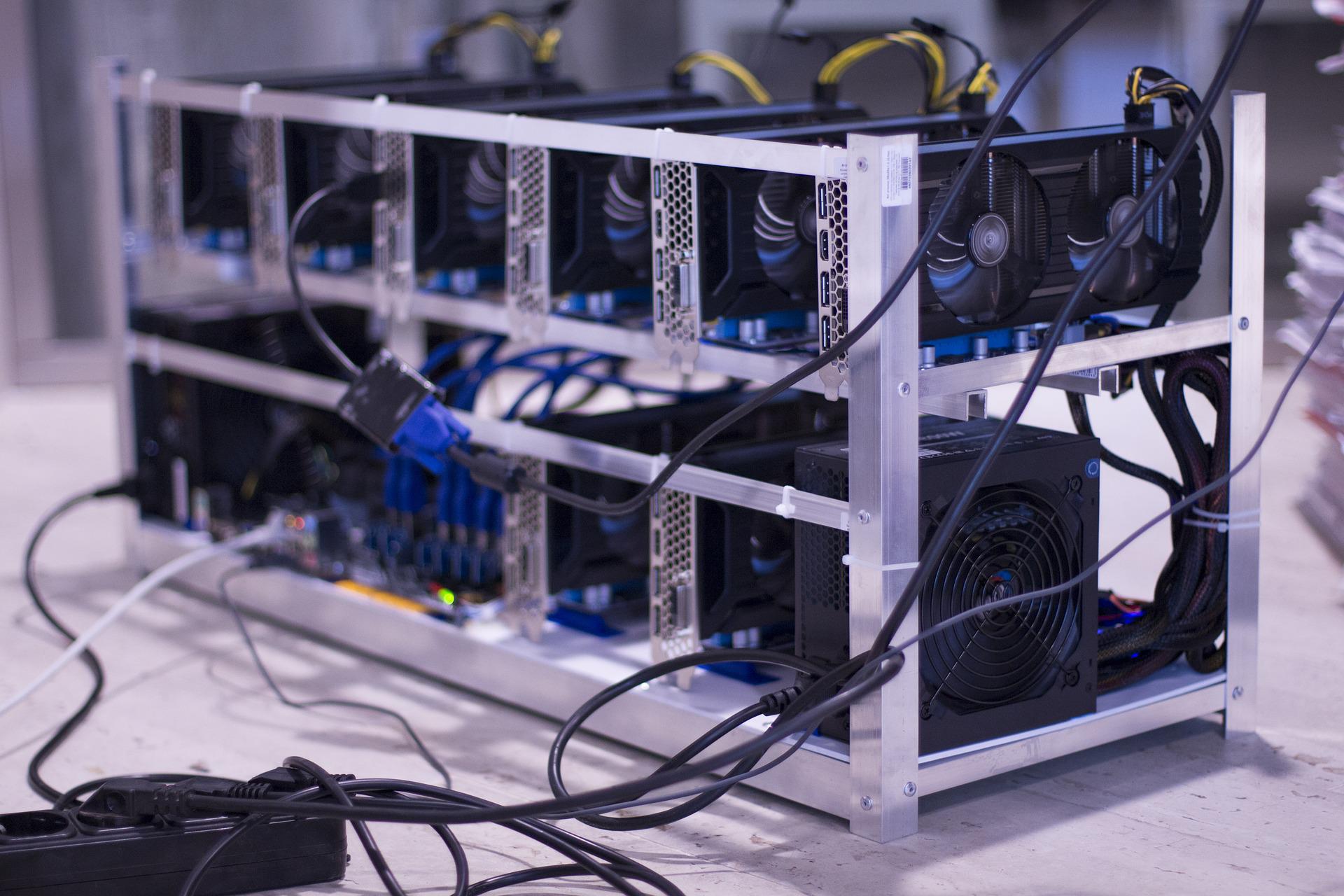
Recent reports from local Iranian media outlets, corroborated by regional energy officials, reveal that state law enforcement agencies have intensified their crackdown on illicit cryptocurrency operations. Over a concentrated five-month period, following a severe wave of summer power blackouts, police forces across the capital city of Tehran and various surrounding provinces successfully detected and seized 9,404 energy-guzzling mining devices. This sweeping operation underscores a broader, aggressive government campaign designed to stabilize an overburdened national power grid that has repeatedly buckled under the immense electrical load demanded by high-performance computing hardware.
The Anatomy of an Energy Crisis: Why Iran Became a Mining Hotspot
To understand the scale of the current crackdown, one must examine the unique economic and geographic incentives that initially drew domestic and international crypto enthusiasts to Iran. As an oil- and natural gas-rich nation, Iran has historically maintained heavily subsidized electricity rates for its citizens and domestic industries. These ultra-low power tariffs were originally designed to support local manufacturing, agriculture, and residential households. However, they inadvertently created a lucrative arbitrage opportunity for cryptocurrency miners.
Cryptocurrency mining—particularly for Proof-of-Work (PoW) networks like Bitcoin—requires heavy computational machinery, known as Application-Specific Integrated Circuit (ASIC) rigs, to solve complex mathematical puzzles. This process demands continuous, high-capacity electricity generation. Because Iran offered some of the cheapest electricity in the world due to state-sponsored fossil fuel subsidies, it quickly emerged as an attractive jurisdiction for tech entrepreneurs seeking to minimize operational overhead.
According to historical data from the Cambridge Centre for Alternative Finance (CCAF) Bitcoin Electricity Consumption Index, Iran at one point accounted for approximately 7.5 percent of the global Bitcoin hashrate. Yet, this influx of heavy computing power placed an unprecedented strain on a national infrastructure already suffering from years of economic sanctions, underinvestment, and systemic inefficiency. As summer temperatures soar and electricity demand peaks for residential cooling, the grid routinely fails, resulting in rolling blackouts that disrupt hospitals, businesses, and daily life.
A Chronology of Crackdowns and Regulatory Escalation
The friction between the Iranian government and the cryptocurrency mining sector is not a recent development. Over the past several years, authorities have implemented a shifting landscape of bans, conditional licensing frameworks, and targeted raids.
The trajectory of this regulatory conflict reveals a steady hardening of government policy:
- Early Restrictions and Seizures: Recognizing the threat posed by unregulated mining farms, Iranian authorities began conducting systematic raids. In early phases, officials seized tens of thousands of illicit ASIC rigs, including a notable haul of 45,000 machines confiscated from operations utilizing subsidized state energy.
- The Four-Month Nationwide Ban: In May, facing mounting public pressure and intolerable grid stress, Iranian authorities enacted a sweeping four-month ban on all domestic cryptocurrency mining operations. The restriction was strategically designed to preserve baseline electrical capacity through the peak summer months.
- Targeting Licensed Platforms: Even legal, government-approved mining facilities were not spared from the emergency measures. To prevent catastrophic grid failures during intense heatwaves, state energy providers cut power to 118 licensed mining platforms, demonstrating that energy conservation superseded prior commercial agreements.
- The Summer Crackdown in Tehran: Following extensive blackouts last summer, the Tehran Electricity Distribution Company, led by Kambiz Nazerian, mobilized state police. Over a five-month span, authorities uncovered 9,404 illegal mining devices operating within the capital district alone. This followed an earlier June operation that netted approximately 7,000 illicit machines.
- Recent Sweeps and Cumulative Metrics: Continuing the momentum, authorities shut down an additional 1,620 crypto mining operations in subsequent sweeps. Official state reports indicated that these targeted facilities alone had consumed an astronomical 250 megawatts of electrical power over an 18-month period—an amount equivalent to the energy consumption of a small city.
The Stealthy Shift to Public Infrastructure
Compounding the challenge for law enforcement is the ingenuity with which illicit miners have sought to evade detection and exploit free or cheap electricity. Rather than establishing visible industrial-scale warehouses, a significant portion of unregistered mining farms has been discovered operating inside public and religious buildings.
According to investigative reports from Iranian media, numerous rogue mining rigs have been quietly set up within the premises of public schools, mosques, and municipal facilities. By embedding heavy computing hardware within these institutions, operators sought to blend their exorbitant power consumption into baseline institutional usage, effectively siphoning subsidized electricity intended for public education and religious gatherings. This clandestine practice not only defrauds the state-run energy provider, Tavanir, but also directly deprives local communities of reliable public services.
Furthermore, investigative findings point to a complex ecosystem of unauthorized mining operations driven by a combination of influential domestic networks and foreign entities, notably including specific groups from China. These actors leveraged local intermediaries to secure access to cheap power grids, operating under the radar until grid anomalies and sudden voltage drops alerted state utility monitors.

Broader Economic and Geopolitical Implications
The situation in Iran reflects a broader global narrative regarding the environmental and infrastructural toll of cryptocurrency mining. Countries such as Kosovo and various regions within Central Asia and Eastern Europe have similarly enacted outright bans on digital asset mining following severe winter or summer power crises.
For Iran, the implications extend far beyond simple energy management. The country’s leadership faces a delicate balancing act. On one hand, cryptocurrency mining offers a potential avenue to generate state revenue, bypass international economic sanctions, and monetize surplus energy resources that cannot be easily exported due to geopolitical restrictions. On the other hand, the physical reality of a failing electrical grid—manifested in rolling blackouts, dwindling water reserves, and subsequent national protests—poses a direct threat to domestic stability.
The public backlash against power outages has forced the Iranian government to adopt an uncompromising stance. By categorizing illicit crypto mining as a direct assault on national security and public welfare, authorities have signaled that energy conservation will take absolute precedence over digital asset accumulation for the foreseeable future.
Looking Ahead: The Future of Crypto Mining in Energy-Constrained Regions
As global regulatory bodies refine their approaches to digital currencies and energy consumption, the Iranian model serves as a cautionary tale for emerging markets considering the integration of heavy-computation industries. Without robust, modernized electrical infrastructure and transparent energy pricing, the rapid expansion of Proof-of-Work mining can quickly outpace municipal capacity, resulting in severe socio-economic friction.
For Iran, the ongoing confiscation of thousands of ASIC rigs and the systematic dismantling of underground mining farms demonstrate that the state’s campaign is far from over. As long as the underlying economic incentives of subsidized power persist alongside an energy-starved national grid, the clandestine cat-and-mouse game between unauthorized miners and state authorities is expected to continue, defining the turbulent intersection of blockchain technology and state sovereignty in the Middle East.
