
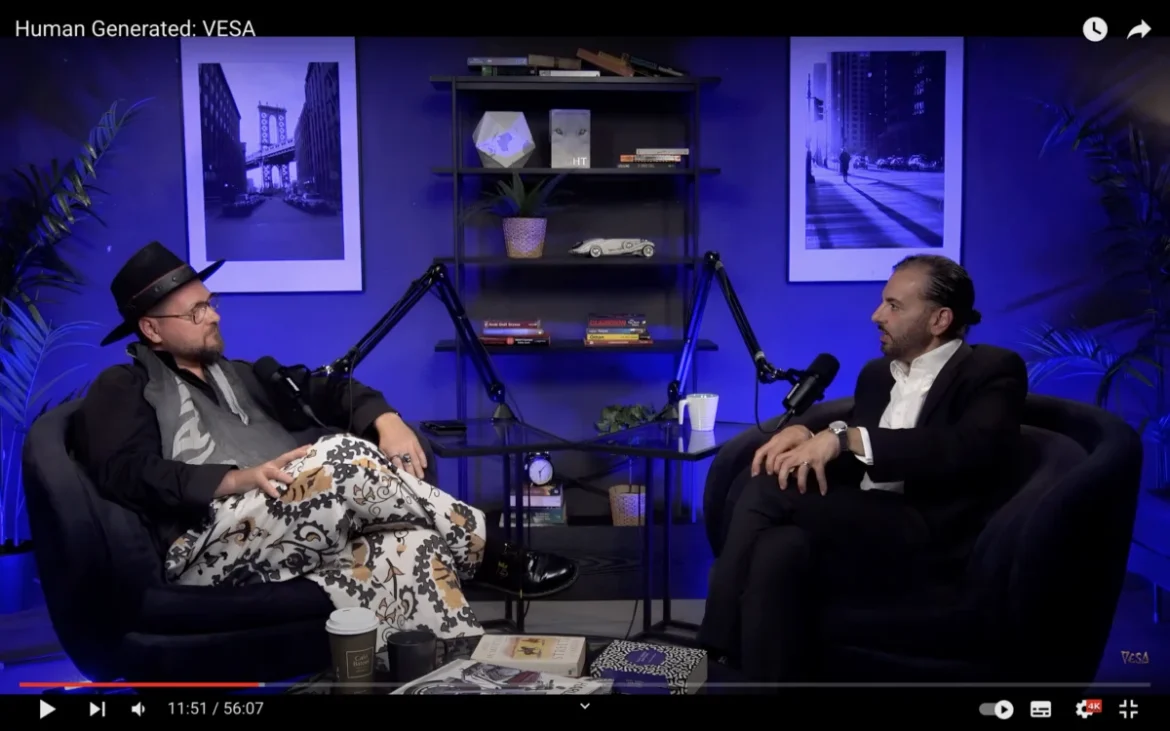
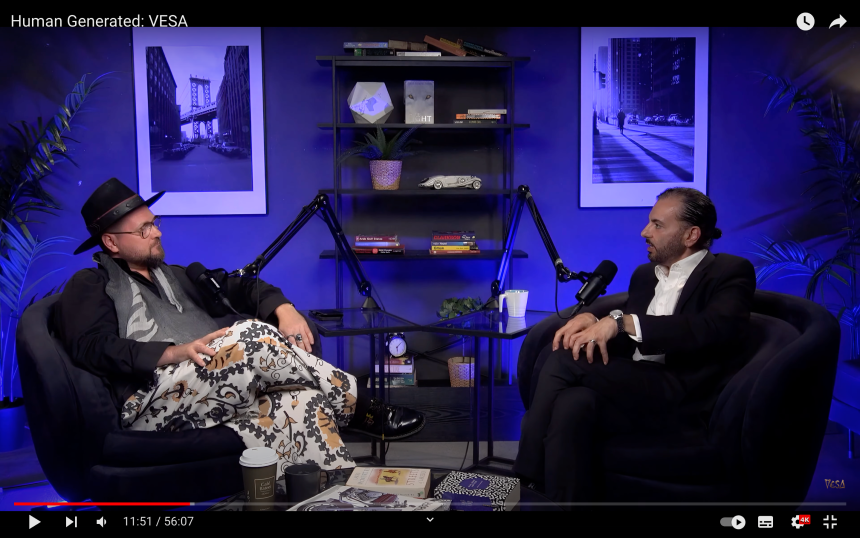
The intersection of traditional artistic expression, cutting-edge digital technologies, and deep spiritual inquiry took center stage during a recent episode of the Human Generated podcast, hosted by Omid Honari. Featuring renowned crypto and NFT artist VESA, the wide-ranging conversation explored how emerging tools like Web3, augmented reality, and blockchain are reshaping the global creative landscape. Recorded following a series of keynote speeches at the prestigious Mohammed Bin Rashid Library (MBRL) in Dubai, the dialogue brought together two thinkers whose intellectual trajectories seamlessly intersected around the philosophy of human creativity, its historical roots, and its metaphysical implications.
Setting the Stage: The Nexus of Art and Philosophy in Dubai
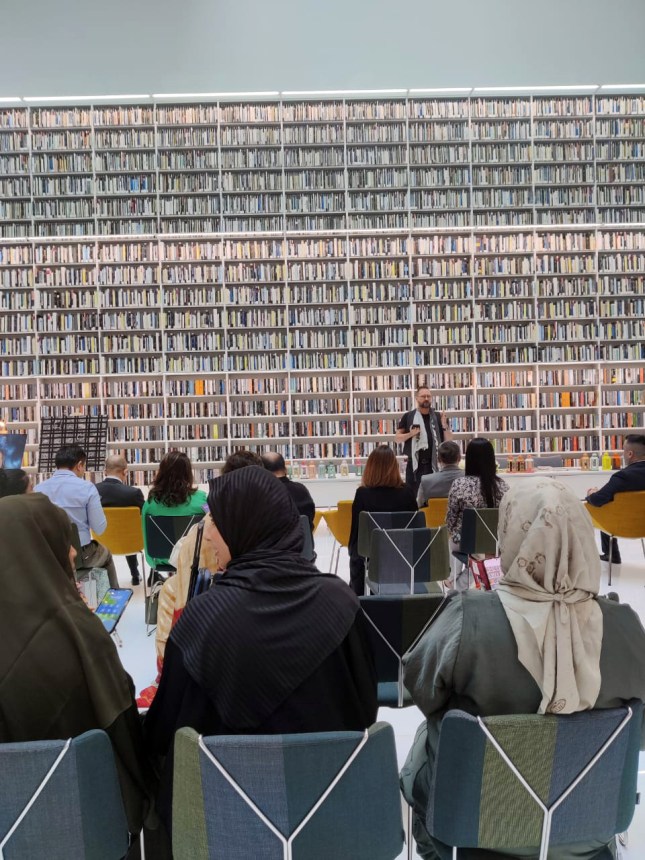
The dialogue between VESA and Honari was rooted in their shared appearance as keynote speakers at the Mohammed Bin Rashid Library, a major cultural landmark in Dubai designed to foster intellectual discourse and preserve knowledge. Their respective presentations, which explored the societal implications of modern creativity and philosophy, laid the groundwork for a much deeper offline conversation.
The podcast episode, captured during a period of intense seasonal shifting in the United Arab Emirates in late May, began with a reflective discussion on environmental psychology and human adaptability. For VESA, a 44-year-old native of Finland who previously resided in the United Kingdom, the Dubai climate represented a profound departure from the harsh winters of Northern Europe. Discussing his transition to consistent warm weather, Vesa remarked on the psychological residue of cold climates, noting that "there’s a lot of cold trauma still to be purged." This opening exchange underscored a broader thematic current running through the interview: how human beings internalize their physical environments and construct meaning through personal narratives, regional conditioning, and cultural artifacts.

The Evolution of Art: From Cave Paintings to the Metaverse
A central focus of the discussion was the perceived friction between traditional artistic mediums and emerging digital paradigms, including non-fungible tokens (NFTs), virtual reality, and metaverse environments. Honari initially posed the proposition that Web3 technologies might inherently conflict with or dilute the essence of creative arts.
VESA firmly rejected this premise, drawing upon Ken Wilber’s Integral Theory to frame his worldview. Integral Theory attempts to place individual contributions, philosophies, and cultural practices into a functional, holistic framework. According to Vesa, contemporary higher education institutions frequently fail to contextualize art within its comprehensive historical lineage. Modern art history curricula often overemphasize the post-modern era while ignoring the foundational impulses that drove early humans to create—namely, body painting, cave art, and primal ritual.
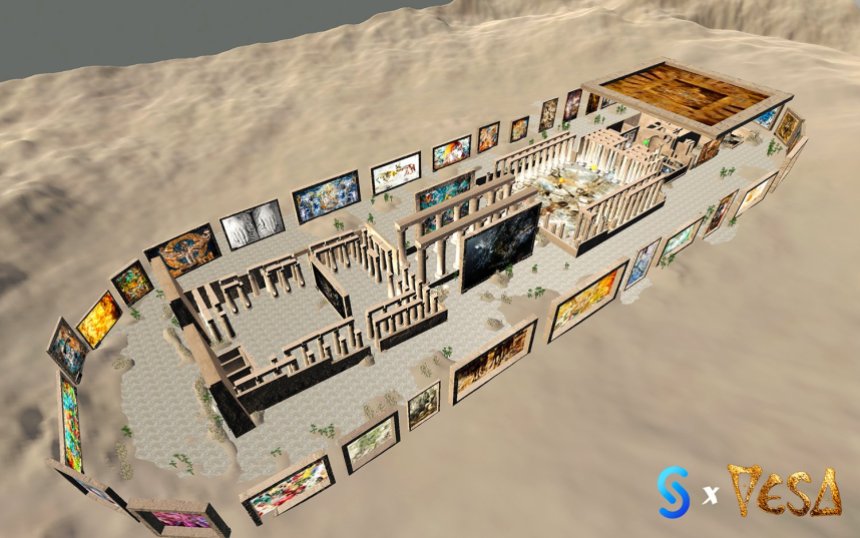
From an Integral perspective, new technologies are not disjointed anomalies, but powerful tools capable of dismantling entrenched gatekeeping mechanisms within the traditional art market. To demonstrate this philosophy, Vesa pointed to his Luxor-inspired metaverse gallery project, hosted on Superworld. The digital installation bridges ancient architectural motifs with decentralized virtual spaces, effectively democratizing access to fine art while honoring humanity’s earliest creative traditions.
"It’ll take a little bit of time, and whether the traditional art institutions will adopt this remains to be seen, since their interest is so much in identity politics, but for people, this means total freedom," Vesa explained during the broadcast.
Navigating the Divide: Fine Art Versus Digital Collectibles
The conversation subsequently turned to the complex economics and cultural reception of blockchain-verified digital assets. Honari questioned whether high-profile digital art sales—such as algorithmically generated profile-picture collections featuring digital primates—risk trivializing the broader movement of digital fine art.
VESA drew a sharp distinction between speculative digital collectibles and digitized fine art. While acknowledging the sophisticated marketing and utility-driven nature of certain prominent NFT projects—which often function as exclusive access passes rather than pure aesthetic expressions—he emphasized that the underlying blockchain infrastructure represents a monumental leap forward for digital scarcity and provenance.
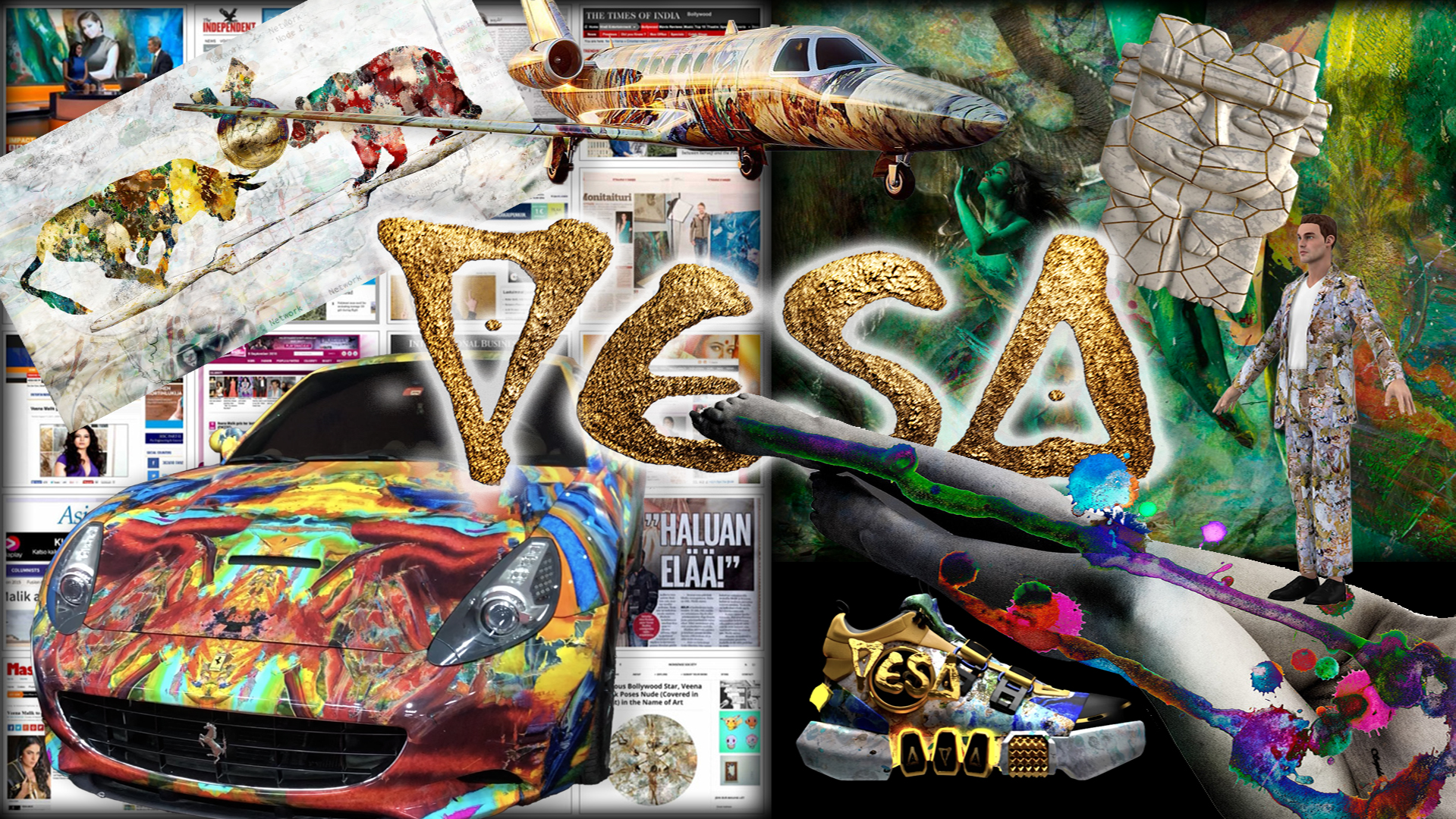
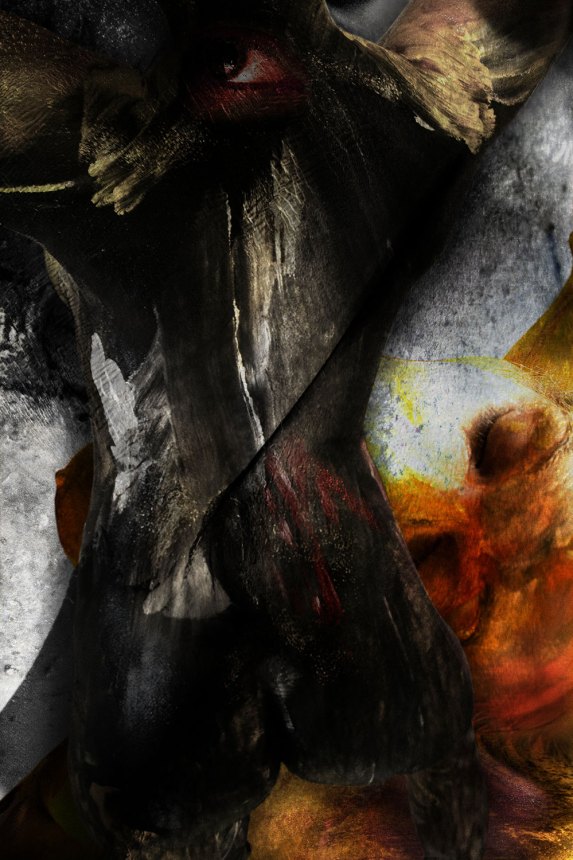
Comparing blockchain verification to the physical security and cultural uniqueness of the Mona Lisa, Vesa argued that the technology provides artists with a legitimate mechanism to establish digital ownership without relying on physical oil-on-canvas mediums. This technological shift is particularly vital for artists whose work has been digital-native for decades. Vesa recounted his early career struggles in 2008 when creating hybrid works combining bodypainting and photography, such as his foundational piece Escapist. During that era, traditional art institutions routinely dismissed digital originals due to the absence of a physical canvas—a barrier that blockchain technology has effectively neutralized.
Furthermore, the discussion criticized the current state of institutional arts funding, using Finland as a case study. Vesa noted that government grants in his native country are frequently tethered to specific ideological narratives, creating a stifling environment for authentic, independent creativity. He likened this bureaucratic gatekeeping to an academic setting where students tailor their output solely to satisfy an instructor’s preconceived biases rather than pursuing genuine inquiry.
Origins, Consciousness, and the Divine Connection
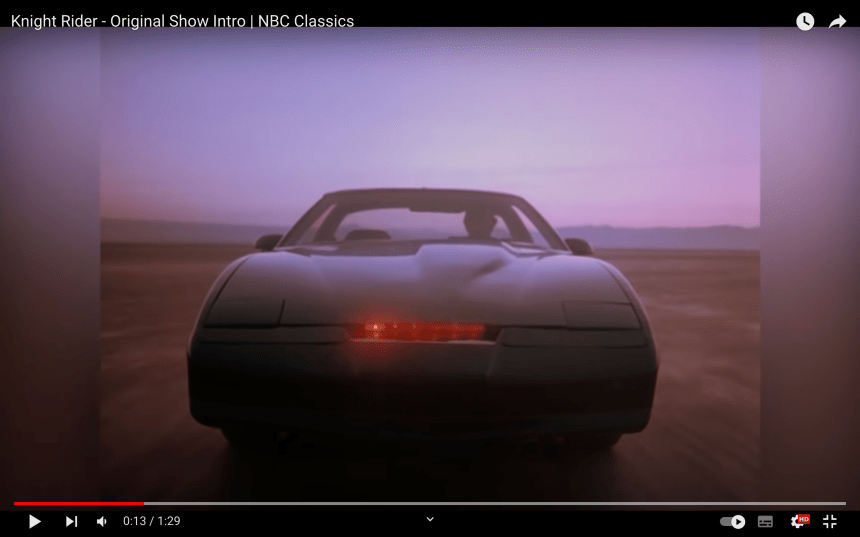
Delving into Vesa’s personal origin story, Honari probed the formative experiences that shaped his artistic trajectory. Vesa identified two primary catalysts: an early, visceral connection to music—highlighted by childhood memories of playing a toy guitar to the Knight Rider theme song and listening to African drums—and a profound near-death drowning experience at the age of six.
The near-death experience, Vesa suggested, brought him into direct contact with a spiritual origin point that fundamentally altered his perception of consciousness. Challenging materialist paradigms, Vesa articulated his view of the human brain as a receiver rather than a generator of consciousness.
"The brain is much more a receiver than a generator," Vesa stated. "My traumatic experience of nearly drowning was so pivotal to my creative growth because it brought me violently close to that origin point, the point of ultimate connection to God."
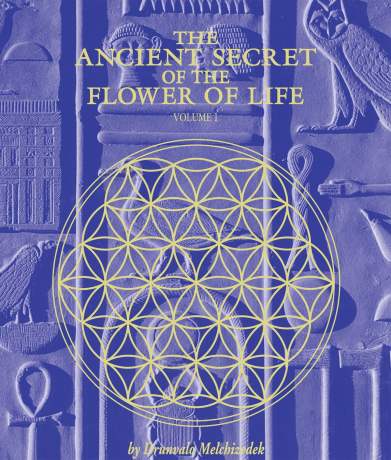
This philosophical stance was further enriched by literary references discussed during the podcast, including Dan Winter’s The Flower of Life, which explores geometric patterns underlying all creation, and the poetry of Rumi, which uses the metaphor of the reed pipe yearning to return to its source. The dialogue positioned the artist not as an independent creator operating in a vacuum, but as a conduit for universal expression.
Expanding Mediums: From Human Canvases to Inanimate Objects
The interview concluded by examining the evolution of Vesa’s signature bodypainting methodology and its application to non-human forms, such as art cars and decorated vehicles. Referencing a recently customized Tesla covered in intricate artwork in Dubai—which also received a digital twin rendered by the spatial computing firm Zoan—Honari inquired whether these inanimate objects represent a logical extension of bodypainting.
VESA clarified that his work remains inherently human-centric, designed to evoke appreciation from human observers while exploring the divine geometry inherent in physical forms. He also emphasized a deep respect for Islamic artistic traditions regarding the representation of the human form, noting an ongoing commitment to balancing his artistic vision with cultural sensitivities.
The episode concluded with mutual admiration between Honari and Vesa, leaving the door open for a prospective second installment to continue exploring the intersections of art, technology, and metaphysics. Full recordings of the conversation remain accessible to global audiences via YouTube and Spotify, offering a comprehensive look at how decentralized technologies are redefining the boundaries of human expression.
