
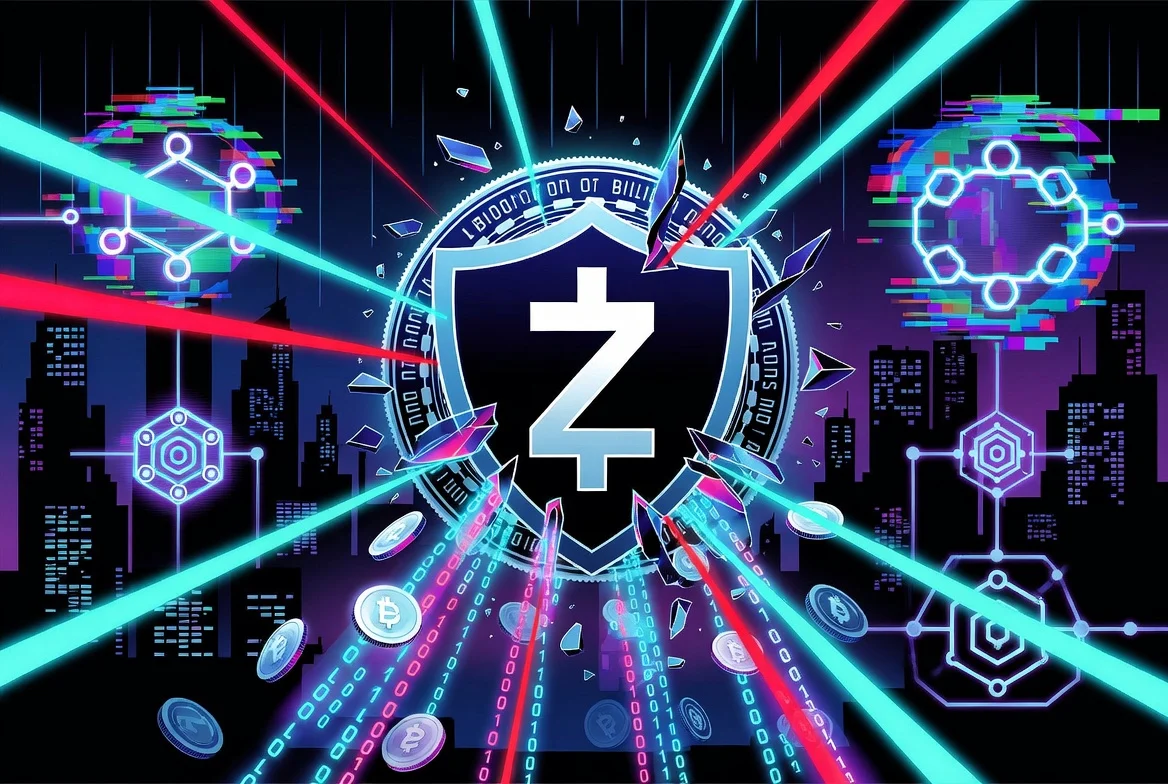
The architecture of privacy-centric cryptocurrency Zcash has successfully passed a rigorous computational evaluation conducted by artificial intelligence, marking a notable milestone in the intersection of advanced machine learning and blockchain security infrastructure. Zcash founder Zooko Wilcox announced that an AI-driven security audit executed by Anthropic’s specialized Mythos model—commissioned specifically at the request of research and development entity Shielded Labs—concluded without uncovering any new critical or high-severity vulnerabilities within the core Zcash protocol.
The evaluation arrives at a pivotal juncture for the privacy coin sector, which has faced sustained regulatory scrutiny, compliance pressures, and exchange delistings globally. By demonstrating that an independent, automated systemic code review found no underlying catastrophic flaws, proponents of the network gain a valuable proof point regarding the cryptographic and architectural resilience of Zcash. However, industry security researchers emphasize that automated artificial intelligence models serve as an advanced supplementary diagnostic layer rather than a total replacement for exhaustive, human-led code audits and peer review.
The deployment of Anthropic’s Mythos model to scan the intricate, zero-knowledge-proof-heavy codebase of Zcash underscores an ongoing evolution in how decentralized networks approach software hardening. As smart contracts, Layer-1 protocols, and cryptographic primitives grow increasingly complex, the human bandwidth required to manually audit every line of code becomes a formidable bottleneck. Consequently, the cybersecurity paradigm within the digital asset industry is shifting toward a hybrid model where cutting-edge artificial intelligence assists elite human engineering teams by rapidly parsing millions of lines of code, identifying edge-case anomalies, and simulating potential threat vectors at scale.
Background and Context of the Zcash Security Initiative
To understand the weight of this development, one must examine the unique structural challenges inherent to privacy coins. Unlike transparent public ledgers such as Bitcoin, where transaction inputs, outputs, and wallet balances are fully visible on-chain, privacy-preserving networks utilize complex cryptographic architectures—such as zk-SNARKs (Zero-Knowledge Succinct Non-Interactive Arguments of Knowledge)—to obfuscate transactional data while mathematically proving its validity.
This advanced cryptography affords users robust financial confidentiality, but it simultaneously introduces an exceptionally high surface area for potential security vulnerabilities. A single mathematical flaw, implementation oversight, or logical error in a zero-knowledge protocol could theoretically compromise the integrity of the entire network, potentially leading to unchecked coin inflation or the exposure of private transactional metadata.
For years, maintaining this high bar of security has relied entirely on traditional manual auditing methods. Specialized cybersecurity firms—such as Trail of Bits, OpenZeppelin, or Kudelski Security—deploy teams of cryptographers and software engineers to meticulously read, analyze, and test protocol codebases over periods lasting several weeks or months. While these human-led audits remain the gold standard of the industry, they are expensive, time-consuming, and finite in the volume of code they can process simultaneously.
Shielded Labs, an independent organization dedicated to advancing the infrastructure, scaling, and security of privacy-preserving cryptographic networks, recognized the need to accelerate and broaden this auditing process. By partnering with Anthropic to utilize the Mythos AI system, Shielded Labs sought to test the boundaries of what automated machine learning models could achieve when applied to a mature, high-stakes financial protocol.
Chronology of the AI-Assisted Audit
The integration of artificial intelligence into the Zcash security pipeline did not happen in a vacuum; it represents the culmination of months of iterative testing and infrastructure development between cryptographic researchers and machine learning engineers.
Initial phases of the collaboration involved preparing the Zcash codebase into a structured format optimized for natural language processing and semantic code analysis by large-scale language models. Because zero-knowledge protocols involve dense mathematical equations and specialized coding languages, adapting standard AI architectures to understand these nuances required precise prompt engineering and model fine-tuning.
Anthropic’s Mythos model was subsequently deployed to crawl, parse, and evaluate the protocol’s structural logic, checking for memory leaks, integer overflows, consensus vulnerabilities, and cryptographic implementation errors. According to the disclosures made by Zooko Wilcox, the comprehensive system scan concluded without identifying any previously unknown, high-severity bugs that could jeopardize the protocol’s consensus mechanism or user funds.
Following the completion of the automated scan, the findings were routed back to core developers and security engineers associated with Shielded Labs. Rather than treating the clean bill of health as a final destination, the development community has integrated these insights into an ongoing, multi-layered security hardening campaign. Additional updates regarding exact commit ranges, model parameters, and secondary code reviews are anticipated as the engineering teams continue their work.
Technical Implications of AI in Blockchain Security
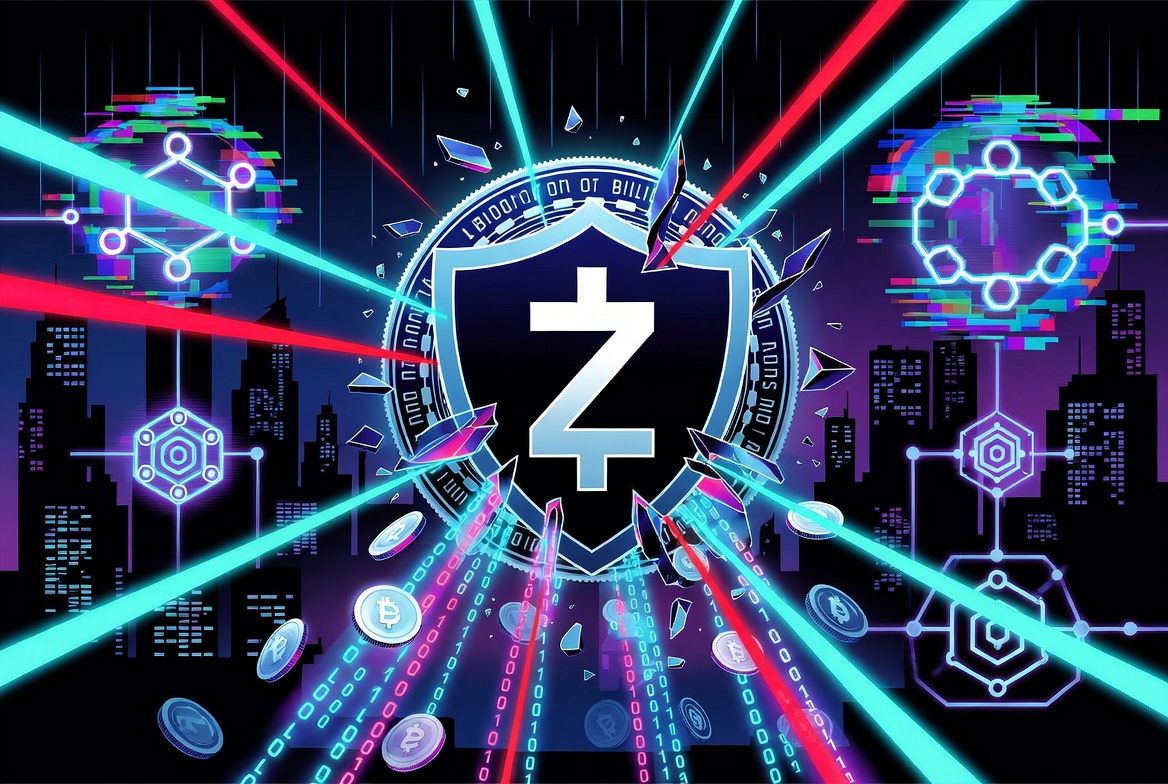
The successful execution and clean result of the Anthropic audit offer critical insights into the viability of artificial intelligence as an operational tool for decentralized finance and blockchain engineering.
Historically, the crypto industry has maintained a healthy skepticism toward automated code scanning tools, largely because legacy static analysis software frequently generates false positives or misses subtle, protocol-specific business logic errors. However, the emergence of advanced frontier models like Anthropic’s Mythos represents a generational leap forward. These models possess deep contextual understanding of programming logic, software design patterns, and cryptographic theory, allowing them to reason about complex codebases in ways that older automated tools could not.
Despite these technological strides, industry experts maintain a balanced perspective regarding the limitations of AI in security auditing. Artificial intelligence models excel at pattern recognition, rapid code traversal, and identifying known vulnerability signatures across vast repositories. Yet, they lack human intuition, creative problem-solving regarding novel threat vectors, and a holistic understanding of socio-economic game theory that often drives sophisticated exploits in decentralized systems.
Therefore, the consensus among leading blockchain developers is that AI should be viewed as a force multiplier for human security teams. By offloading the initial heavy lifting of comprehensive code scanning and anomaly detection to models like Mythos, human auditors can dedicate their expertise to deeper architectural analysis, cryptographic verification, and edge-case penetration testing.
Market Context and Broader Industry Impact
Within the broader cryptocurrency landscape, this development reflects a fundamental maturation of the sector. For years, market narratives were dominated almost exclusively by short-term price action, speculative tokenomics, and retail trading momentum. However, as the digital asset ecosystem matures into a multi-trillion-dollar global financial layer, institutional participants, regulators, and serious developers are placing unprecedented emphasis on underlying infrastructure, systemic security, governance resilience, and software engineering standards.
For Zcash specifically, the timing of this positive security headline is strategically advantageous. Privacy-focused assets have weathered a difficult regulatory climate characterized by heightened compliance mandates, tighter anti-money laundering (AML) frameworks, and occasional hesitations from centralized exchanges regarding listing privacy-centric assets. In this environment, demonstrating a proactive, unyielding commitment to software security and code transparency is essential for long-term viability.
By leveraging cutting-edge artificial intelligence to continuously stress-test its protocol, Zcash and Shielded Labs are signaling to both regulators and institutional observers that privacy technology can be developed safely, transparently, and with the highest standards of engineering rigor.
Looking Ahead: What to Watch in Zcash Security
As the digital asset community processes the results of the Anthropic-powered audit, several key developments warrant close observation in the coming months:
-
Technical Disclosures: Observers and developers will be looking to see whether Shielded Labs or core Zcash contributors publish detailed technical write-ups outlining the exact parameters of the AI audit, including the specific code versions analyzed, the prompts utilized, and any minor or low-severity observations flagged by the model.
-
Ongoing Hardening Campaigns: Zooko Wilcox and representatives from Shielded Labs have indicated that security hardening efforts are ongoing. The community will monitor whether additional AI models or traditional third-party human auditing firms are brought in to corroborate the findings of the Anthropic scan.
-
Adoption of AI in Web3 Cybersecurity: This event serves as a potential watershed moment for the broader blockchain industry. As protocols increasingly adopt artificial intelligence for continuous integration and security pipelines, the success of the Zcash-Mythos integration may encourage other layer-1 networks and decentralized finance protocols to formalize their own AI-assisted auditing frameworks.
Ultimately, while the clean audit result does not render Zcash entirely immune to future risks—as no complex software system is ever completely free of vulnerability—it provides a strong empirical foundation for user and developer confidence. By embracing advanced technological tools to fortify its cryptographic architecture, Zcash continues to navigate the complex intersection of digital privacy, regulatory oversight, and technical innovation.
