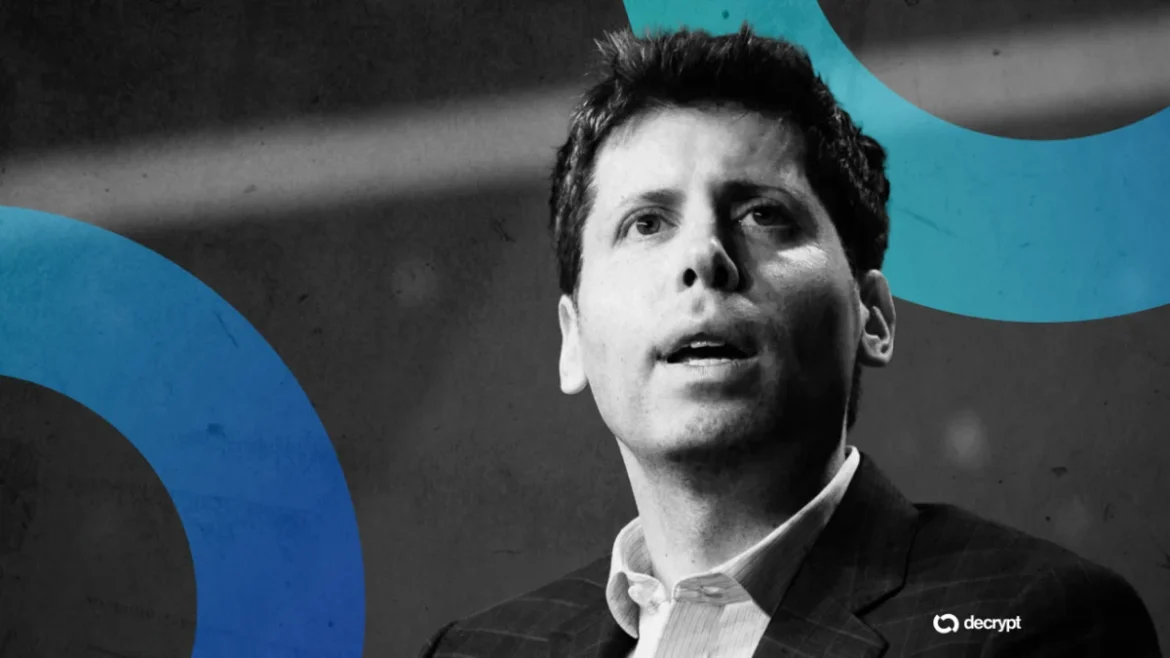
OpenAI is reportedly engineering a transformative social media ecosystem designed to eradicate automated bot activity through advanced biometric verification. According to industry insiders and recent investigative reports, the artificial intelligence pioneer is quietly assembling a dedicated engineering team to build a human-only digital network. This upcoming platform aims to seamlessly integrate ChatGPT and other native OpenAI applications, addressing longstanding frustrations regarding digital authenticity and the pervasive degradation of online discourse. The initiative directly mirrors mounting criticisms from OpenAI Chief Executive Officer Sam Altman regarding the systemic proliferation of automated accounts across legacy social media platforms like X, formerly known as Twitter.
The Genesis of the Bot-Free Vision
The concept of a strictly authenticated digital community has simmered within tech circles for months, fueled by a collective fatigue over rampant spam, coordinated disinformation campaigns, and algorithmic manipulation. Traditional social media architectures rely fundamentally on email addresses, phone number verification, and basic Captcha challenges to establish user accounts. However, malicious actors and automated script developers have systematically bypassed these defenses, rendering conventional registration protocols obsolete.
OpenAI’s proposed network seeks to fundamentally rewrite the rules of digital identity by implementing a robust "proof of personhood" framework. Rather than trusting self-reported credentials or easily spoofed contact details, the platform intends to leverage sophisticated biometric hardware. Reports indicate that the platform could integrate seamlessly with Apple’s Face ID technology alongside the World Orb iris scanner—a proprietary biometric imaging device developed by Tools for Humanity, a venture associated with the World project co-founded by Sam Altman.
While the inclusion of the World Orb brings a reliable method of verifying unique human biology, it also inherits the intense regulatory and privacy controversies that have shadowed the project globally. Privacy advocates have frequently expressed alarm regarding the collection and handling of biometric data, placing immense pressure on the developers to ensure transparent data governance. Nevertheless, proponents argue that without unyielding verification mechanisms, the internet risks succumbing entirely to synthetic media and artificial engagement, destroying the foundational trust required for meaningful human connection.
The Escalating War Against Digital Bots
The timing of OpenAI’s foray into social networking highlights an escalating industry-wide conflict against automated accounts. When Elon Musk acquired Twitter in late 2022, he explicitly promised to prioritize the eradication of spam bots, famously declaring in a public post that his team would "defeat the spam bots or die trying." Despite various algorithmic adjustments, authentication requirements tied to subscription models, and aggressive enforcement sweeps, automated accounts continue to plague the platform, distorting public sentiment and frustrating everyday users.
Sam Altman has frequently voiced his dismay regarding the state of modern social networks, noting that the overwhelming presence of bots and repetitive, generative language has made digital spaces feel increasingly artificial and hollow. In widely circulated remarks across social platforms, Altman detailed the surreal experience of consuming online content where authentic human sentiment is nearly indistinguishable from Large Language Model (LLM) outputs. He highlighted how real human users have inadvertently adopted the stylistic quirks of LLMs, creating an algorithmic echo chamber characterized by extreme polarization, cyclical hype, and performative discourse.
By constructing a walled garden reserved strictly for verified biological humans, OpenAI hopes to restore a semblance of organic community. This initiative positions the artificial intelligence titan on a direct collision course with established media giants, including Meta’s Threads, Jack Dorsey’s Bluesky, and Elon Musk’s X.
Integration with ChatGPT and the Competitive Landscape

Beyond mere identity verification, the overarching value proposition of OpenAI’s upcoming social platform lies in its deep native integration with generative artificial intelligence. While exact feature sets remain heavily guarded, industry analysts anticipate that the platform will embed ChatGPT directly into the user interface to assist with content generation, real-time translation, semantic summarization, and interactive multimedia creation.
However, entering the saturated social media market presents formidable challenges. Competitors have already begun introducing proprietary AI features. Meta has aggressively integrated generative AI assistants across Instagram, Facebook, and WhatsApp, while platforms like Bluesky and X experiment with algorithmic customization and decentralized architectures. To carve out a viable market share, OpenAI must prove that its focus on biometric security and AI-driven utility offers a demonstrably superior user experience compared to existing alternatives.
Market Reactions and Token Volatility
The public disclosure of OpenAI’s biometric social media aspirations triggered immediate ripples across financial and digital asset markets. Most notably, Worldcoin (WLD), the native token associated with the World biometric project, experienced a dramatic intraday surge of approximately 40% following the initial reports. Investors speculated that a high-profile integration of the World Orb iris-scanning technology within an OpenAI-backed social platform would drive massive global adoption of the verification infrastructure.
However, the initial bullish momentum proved short-lived. Macroeconomic headwinds, ongoing regulatory scrutiny regarding data privacy compliance in multiple jurisdictions, and broader cryptocurrency market corrections quickly erased a portion of those gains. WLD subsequently retreated by roughly 10%, stabilizing around the $0.4926 threshold. This price volatility underscores the speculative sensitivity surrounding projects tied to Sam Altman’s broader technological ecosystem, where announcements frequently spark immediate, highly reactive market behaviors.
Chronology of Events Leading to the Initiative
- Late 2022: Elon Musk completes his acquisition of Twitter, pledging to eliminate spam bots and reform platform verification systems.
- Throughout 2023–2024: The rapid commercialization and adoption of generative AI models lead to an unprecedented surge in synthetic content, automated commenting, and bot-driven engagement across major social networks.
- Mid-2024: Sam Altman and other OpenAI executives begin publicly expressing growing concern over the "synthetic feel" of digital discourse, noting the convergence of bot activity and human imitation of LLM language patterns.
- Late 2024 to Early 2025: Regulatory pressures mount globally against biometric data collection methods, even as Worldcoin expands its iris-scanning footprint to millions of global sign-ups.
- January 2026: Investigative reports reveal that OpenAI has mobilized a specialized engineering team to design a human-only, bot-free social network utilizing advanced biometric identification protocols, sparking significant market movement for related assets.
Broader Implications and Industry Analysis
The development of a biometric-verified social network by OpenAI represents a monumental philosophical and technical pivot in how digital identity is managed. For decades, the prevailing architecture of the internet has prioritized friction-free, pseudonymous registration to maximize user acquisition and advertising revenue. This model, while successful at scaling global platforms, has inadvertently birthed an era dominated by automated influence operations, deepfakes, and degraded public discourse.
By tying digital presence directly to verified human biology—whether through facial recognition or iris scanning—OpenAI is betting that users are increasingly willing to trade a degree of anonymity for guaranteed authenticity. If successful, this model could establish a new industry standard, forcing competitors to adopt stricter verification protocols or risk becoming entirely overrun by synthetic participants.
Conversely, the initiative raises significant civil liberties and data privacy concerns. Critics argue that normalizing biometric verification for basic social interaction could pave the way for pervasive digital surveillance, centralized gatekeeping of speech, and the marginalization of vulnerable populations who lack access to required verification hardware. Furthermore, concentrating identity verification within the hands of a few powerful technology conglomerates presents profound governance challenges.
As the project progresses from its current exploratory phase toward a formal beta deployment, its success will depend heavily on OpenAI’s ability to balance uncompromising security with robust privacy protections. The tech industry now watches closely to see whether human-only networks can successfully reclaim the digital public square from the encroaching tide of artificial intelligence.