OpenSea, long recognized as the pioneering marketplace for non-fungible tokens (NFTs), has officially signaled a comprehensive strategic shift aimed at reclaiming its dominance in an increasingly fragmented digital asset landscape. In a multi-pronged announcement released today, the company detailed the launch of a sophisticated mobile application, a million-dollar capital commitment to high-value digital art, and the final stage of its incentive-driven pre-Token Generation Event (TGE) rewards program. This series of initiatives arrives at a critical juncture for the platform, which has faced mounting competition from specialized marketplaces and decentralized exchange aggregators over the past eighteen months.
A New Chapter: The Mobile-First Strategy
The centerpiece of OpenSea’s latest development is the launch of OpenSea Mobile, an application engineered to address the persistent friction points associated with on-chain asset management. Historically, the mobile experience for NFT traders has been characterized by cumbersome browser-based interactions and fragmented wallet connectivity. OpenSea Mobile seeks to consolidate these processes into a unified interface, integrating AI-powered trading tools and cross-platform portfolio management.
By supporting multiple wallets, diverse blockchain networks, and a vast array of token standards, the application is designed to act as a singular gateway for digital asset participants. Market analysts suggest that this pivot to a mobile-centric infrastructure is a calculated response to the shift in user behavior toward "on-the-go" crypto engagement. By embedding AI-driven recommendations and streamlined portfolio tracking, OpenSea aims to lower the barrier to entry for retail participants who may find desktop-based decentralized finance (DeFi) tools daunting. The integration of cross-chain capabilities is particularly noteworthy, as it suggests an effort to mitigate the liquidity siloing that has hampered user experience across the broader Web3 ecosystem.
Strategic Capital Deployment: The Flagship Collection
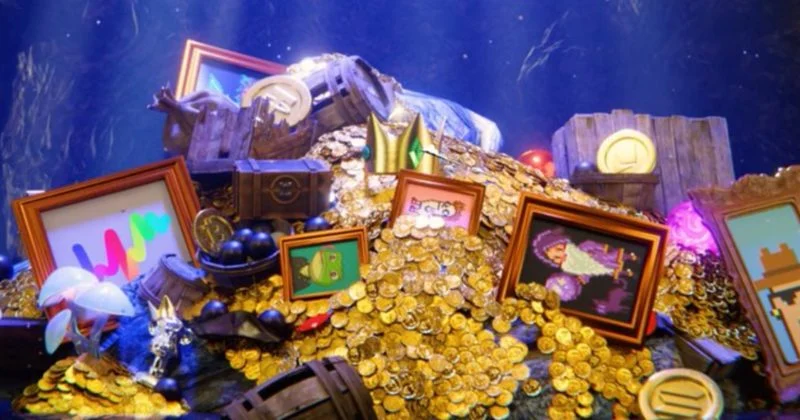
Beyond software development, OpenSea has moved to bolster its cultural and financial footprint through the establishment of the Flagship Collection. With an initial investment exceeding $1 million, the platform has begun acquiring both historic NFTs and works from emerging creators. The acquisition of CryptoPunk #5273 marks the first major entry into this treasury, signaling the company’s intent to act as both a curator and a stakeholder in the digital art economy.
This move is managed by a dedicated committee comprising OpenSea staff and external digital art advisors. The decision to invest directly in the assets traded on its own platform represents a departure from the traditional neutral-broker model. Industry observers point to this as a strategic effort to validate the long-term value of digital collectibles, essentially providing a "floor" of institutional confidence for the assets housed within the marketplace. By diversifying the collection between blue-chip historical assets and the works of emerging artists, OpenSea is positioning itself as a steward of digital culture rather than merely a transaction layer.
The Countdown to TGE: Incentivizing User Activity
The most anticipated component of the announcement is the final phase of the pre-TGE rewards program, which is scheduled to commence on September 15. This initiative is designed to drive platform volume and deepen user engagement ahead of the launch of the $SEA token. OpenSea has committed 50% of all platform fees to this rewards pool, with a specific allocation of 1% for NFT-related activity and 0.85% for token-related activity.
To seed the program, the company has pledged $1 million in $OP (Optimism) and $ARB (Arbitrum) tokens. This structure incentivizes cross-chain activity, as users can earn rewards by interacting with the platform across 22 supported blockchains. The gamification of the platform is further enhanced through "Starter Treasure Chests," which users can level up by completing daily "Voyages" and collecting "Shipments." This loyalty-loop design is a common strategy in the current crypto cycle, intended to boost daily active user (DAU) metrics and transaction volume—key performance indicators that potential token investors monitor closely.
The Role of the $SEA Token
The OpenSea Foundation has confirmed that detailed information regarding the $SEA token generation event will be released in early October. The introduction of a native token is widely viewed as a necessary step for OpenSea to align its long-term incentives with its user base. In a public statement, Adam Hollander, the Chief Marketing Officer at OpenSea, underscored the deliberate nature of this launch.
"$SEA is being engineered with thoughtful mechanics, clear reasons to hold, and long-term sustainability baked in from the start," Hollander stated. His remarks address a common criticism of crypto airdrops: that they often lead to "mercenary" behavior, where users farm rewards and immediately exit. By emphasizing sustainability, OpenSea is attempting to signal to the market that the $SEA token will provide long-term governance or utility benefits that extend beyond the initial hype of the launch.
Market Context and Historical Chronology
OpenSea’s trajectory has been marked by extreme volatility in volume and market sentiment. During the 2021-2022 bull market, the platform was the undisputed leader in the NFT space, reaching monthly trading volumes in the billions of dollars. However, the subsequent "crypto winter" and the rise of competitor platforms—such as Blur, which utilized aggressive reward models to siphon liquidity—severely eroded OpenSea’s market share.
- 2021-2022: OpenSea maintains near-monopoly status, processing the vast majority of NFT transactions globally.
- Late 2022: The emergence of "pro" trading platforms like Blur introduces high-speed bidding and token-incentivized trading, changing user expectations.
- 2023: OpenSea faces declining volumes and internal pressure to adapt its fee structure, eventually waiving certain fees to remain competitive.
- Q3 2024: The current announcement marks the first time OpenSea has combined a mobile-first product pivot with a comprehensive token-based incentive strategy.
This chronology reveals a company transitioning from a passive marketplace to an active ecosystem builder. The shift from a standard transaction fee model to a participation-reward model highlights the necessity for legacy platforms to innovate in order to survive in a highly saturated market.
Analytical Implications
The success of these initiatives will likely be measured by three primary metrics: the retention rate of new users acquired through the mobile app, the impact of the $1 million Flagship Collection on community sentiment, and the degree to which the pre-TGE rewards drive sustainable trading volume rather than temporary "wash trading."
From a technical perspective, the integration of 22 chains into a single interface is a significant engineering challenge. If successful, it could solve one of the most significant pain points in Web3: the fragmentation of liquidity across Layer-2 networks. If the interface remains intuitive and stable, it could draw back a segment of the user base that migrated to more specialized or centralized alternatives.
Furthermore, the decision to launch the $SEA token at this specific time is calculated. With the crypto market showing signs of renewed interest in decentralized governance, the $SEA token could serve as the "glue" that binds the community to the platform. However, the company faces the challenge of managing inflation and ensuring that the tokenomics are robust enough to withstand the inevitable sell-pressure that follows most major TGEs.
Broader Industry Outlook
OpenSea’s move is part of a larger trend of "re-professionalization" within the crypto space. As the industry moves away from the speculative fervor of early NFT projects, platforms are shifting their focus toward infrastructure, utility, and long-term asset value. By moving into mobile and active treasury management, OpenSea is essentially betting that the future of NFTs lies not in fleeting hype, but in integrated, multi-chain ecosystems that provide consistent utility for both creators and collectors.
The response from the broader digital asset community has been one of cautious optimism. While skepticism regarding token launches remains, the combination of a tangible product (the mobile app) and clear, structured incentives (the rewards program) provides a level of transparency that has been missing from many recent project rollouts. As October approaches, all eyes will be on the OpenSea Foundation to see if they can successfully bridge the gap between their legacy as a marketplace and their future as a decentralized, community-governed ecosystem.
In conclusion, OpenSea’s multifaceted strategy represents a decisive attempt to pivot toward a sustainable future. By leveraging mobile accessibility, institutional-grade art curation, and aggressive user incentivization, the company is attempting to redefine its role in the next generation of the digital asset economy. Whether these measures will be sufficient to restore its former dominance remains a subject of intense industry debate, but the intent to lead through product-market fit and community engagement is now clearer than ever.