The long-standing animosity between former UFC champions Conor McGregor and Khabib Nurmagomedov has found a new, digital battleground, shifting from the octagon to the volatile world of non-fungible tokens (NFTs). This latest escalation, sparked by the release of a papakha-inspired digital collection, has ignited a public war of words that touches on themes of cultural appropriation, financial ethics, and the preservation of personal legacy. As both fighters navigate life post-competition, their clash highlights the growing intersection between celebrity branding and the decentralized finance space.
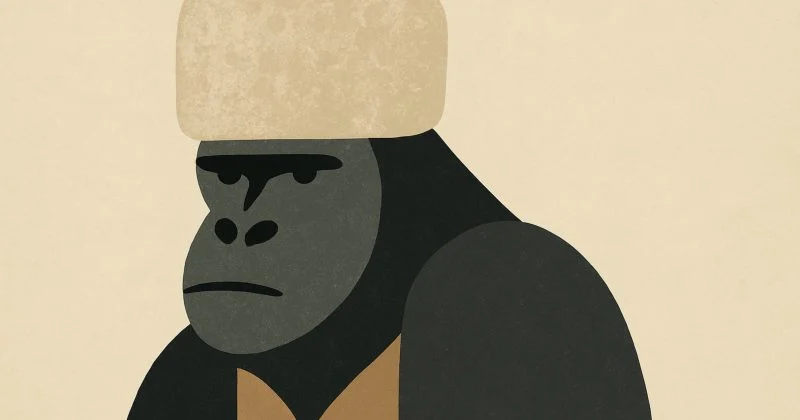
The controversy centers on a series of NFTs released by Nurmagomedov, which featured digital renderings of the traditional Dagestani papakha hat—a sheepskin headpiece that became synonymous with the retired fighter’s identity throughout his tenure in the Ultimate Fighting Championship (UFC). Following the digital asset launch, social media reports suggested the collection generated approximately $4.4 million in sales. However, the subsequent deletion of promotional content from Nurmagomedov’s social media channels drew immediate scrutiny from the public and, most notably, his greatest career rival.
Chronology of the Dispute
The history between McGregor and Nurmagomedov is one of the most storied in mixed martial arts (MMA) history, culminating in their high-profile bout at UFC 229 in October 2018. While Nurmagomedov emerged victorious, the match left a lasting rift between the two camps. The current dispute, however, represents a modern evolution of this hostility.
- The Launch: Nurmagomedov introduced the digital collection, framed as a tribute to Dagestani heritage and his late father, Abdulmanap Nurmagomedov. The NFTs were positioned as exclusive digital collectibles.
- The Sales: Reports indicate a robust initial interest, with valuations reaching the $4.4 million mark.
- The Deletion: Shortly after the conclusion of the primary sales window, promotional posts regarding the collection were removed from Nurmagomedov’s verified social media profiles.
- The Accusation: Conor McGregor utilized his platform on X (formerly Twitter) to label the project a "scam," alleging that the removal of evidence was a calculated move to distance the creator from the project after securing liquidity from fans.
- The Retaliation: Nurmagomedov issued a firm denial, characterizing the venture as a legitimate project and dismissing McGregor’s critique as a continuation of their 2018 grievance.
The Allegations: Ethics and Legacy
McGregor’s primary contention is that the use of his late father’s image and the cultural symbol of the papakha for a commercial digital project—which was then scrubbed from the public record—constitutes a breach of trust. In a series of pointed posts, McGregor suggested that Nurmagomedov exploited the loyalty of his fan base.
"There is just no way good guy Khabib used his late father’s name, as well as Dagestan’s culture, to scam his fans and fire sell a bunch of digital NFTs online and then delete all of the content after they were sold, leaving his fans robbed of their money?" McGregor wrote. His argument frames the deletion of promotional content not as a standard marketing cleanup, but as an attempt to evade accountability for a project that failed to deliver long-term value to its purchasers.
In response, Nurmagomedov has maintained that the NFTs were legitimate digital assets intended to serve as commemorative tokens. His defense posits that the "digital gifts" held intrinsic value for collectors and that the accusation is merely a tactical insult from a competitor who has struggled to accept the results of their previous professional encounters.
Contextualizing the Crypto Ambitions of UFC Stars
This incident is not an isolated event in the world of professional fighting; rather, it is part of a broader trend where high-profile athletes leverage their personal brands to enter the cryptocurrency and NFT markets. Both combatants have prior experience with digital asset ventures, though their track records have been met with varying levels of success and scrutiny.
McGregor himself has previously navigated the complexities of blockchain projects. He partnered with the Real World Gaming DAO to launch "REAL," a meme token intended to integrate the viral nature of meme coins with functional utility and transparent fundraising protocols. The project, however, did not meet its initial subscription targets, leading the team to initiate a refund process for all participants. This history adds a layer of irony to the current dispute, as both fighters have faced the inherent risks and public skepticism that accompany celebrity-led digital financial projects.
Market Analysis: The Risks of Celebrity-Backed Digital Assets
The intersection of celebrity endorsements and decentralized finance (DeFi) is an area currently under increased observation by financial regulators, including the U.S. Securities and Exchange Commission (SEC). When a public figure launches a digital asset, the boundary between "fan engagement" and "investment opportunity" often becomes blurred.
Financial analysts note that the "pump and dump" narrative—a common accusation in the NFT space—frequently stems from the sudden disappearance of project marketing materials following a successful sale. When an influencer or athlete deletes promotional content, it creates an information vacuum that often leads to panic among investors. Whether or not the Nurmagomedov project constitutes a fraudulent scheme or a legitimate commercial failure remains a matter of perspective, but the optics of the situation have certainly provided ammunition for critics.
The volatility inherent in NFTs—which saw a massive boom in 2021 and 2022 followed by a significant market correction—means that assets touted as "gifts" or "collectibles" can lose their liquidity and value rapidly. For fans who invested in the papakha collection, the primary concern is the long-term utility of the assets, which is often diminished when the original creator ceases promotion or support for the ecosystem.
Implications for Sports Branding and Legacy
The dispute serves as a cautionary tale for high-profile athletes considering the expansion of their brands into the digital realm. The modern athlete’s legacy is increasingly managed through social media and digital interaction, and the perception of financial impropriety can have long-lasting effects on their public standing.
For Nurmagomedov, the challenge lies in reconciling the "man of the people" persona he cultivated during his undefeated career with the reality of high-stakes, unregulated digital asset markets. For McGregor, the challenge is maintaining credibility as a critic while his own historical attempts at crypto-entrepreneurship remain part of the public record.
As the industry matures, stakeholders are calling for greater transparency. Projects that fail to provide clear, sustained roadmaps or that rely heavily on the temporary hype of an athlete’s endorsement are increasingly being viewed with suspicion. This clash between McGregor and Nurmagomedov serves as a focal point for this shift in sentiment, proving that even in retirement, the pressure of the public spotlight remains as intense as it was in the center of the cage.
Final Considerations
The fallout from this latest exchange will likely be measured by the future performance of the assets in question and the continued interest of the fan bases involved. Whether the dispute will lead to formal inquiries or remain a localized social media feud remains to be seen. However, the event underscores a critical reality for fans and investors alike: the transition from sports icon to digital entrepreneur is fraught with risks that often transcend the boundaries of the sport itself. As the digital economy continues to integrate with mainstream celebrity culture, the demand for accountability and transparency will only increase, potentially forcing future projects to adhere to higher standards of communication and investor protection.
In the final analysis, this rivalry has transcended the physical realm of the UFC, proving that the digital era provides new, perhaps more complex, avenues for conflict. As both parties continue to trade accusations, the true losers may be the fans caught in the middle, navigating a market where the lines between heritage, legacy, and profit remain dangerously thin.