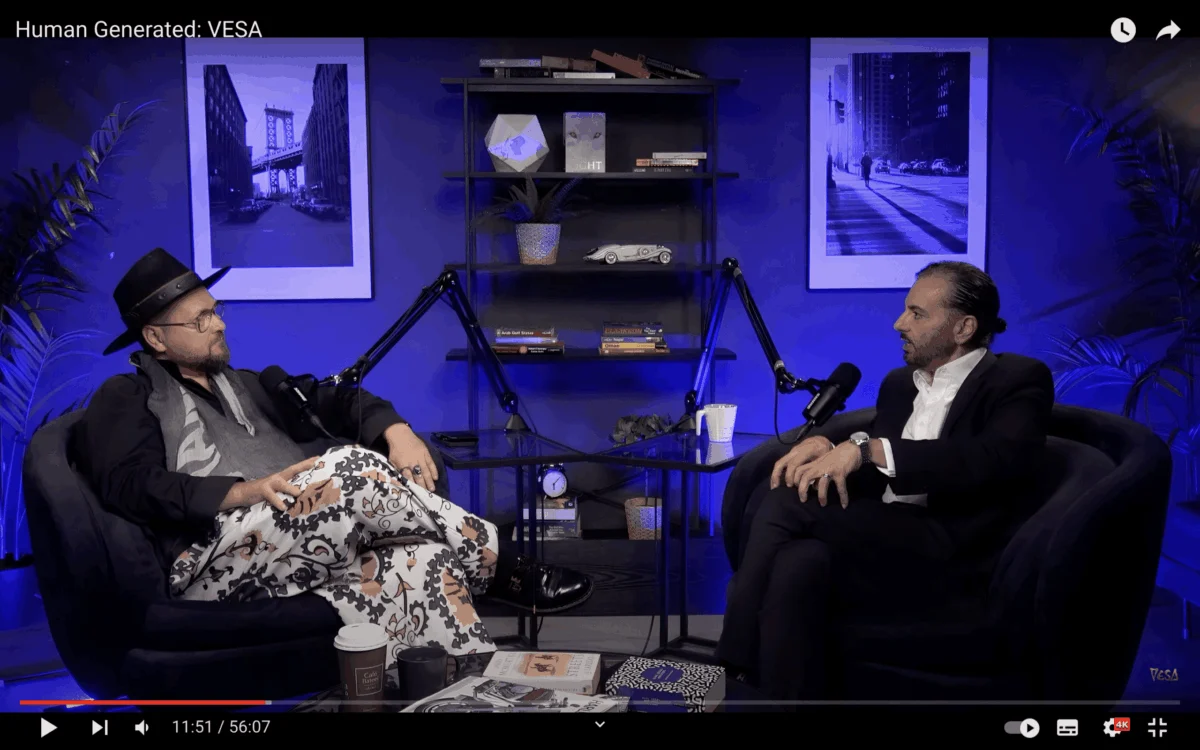
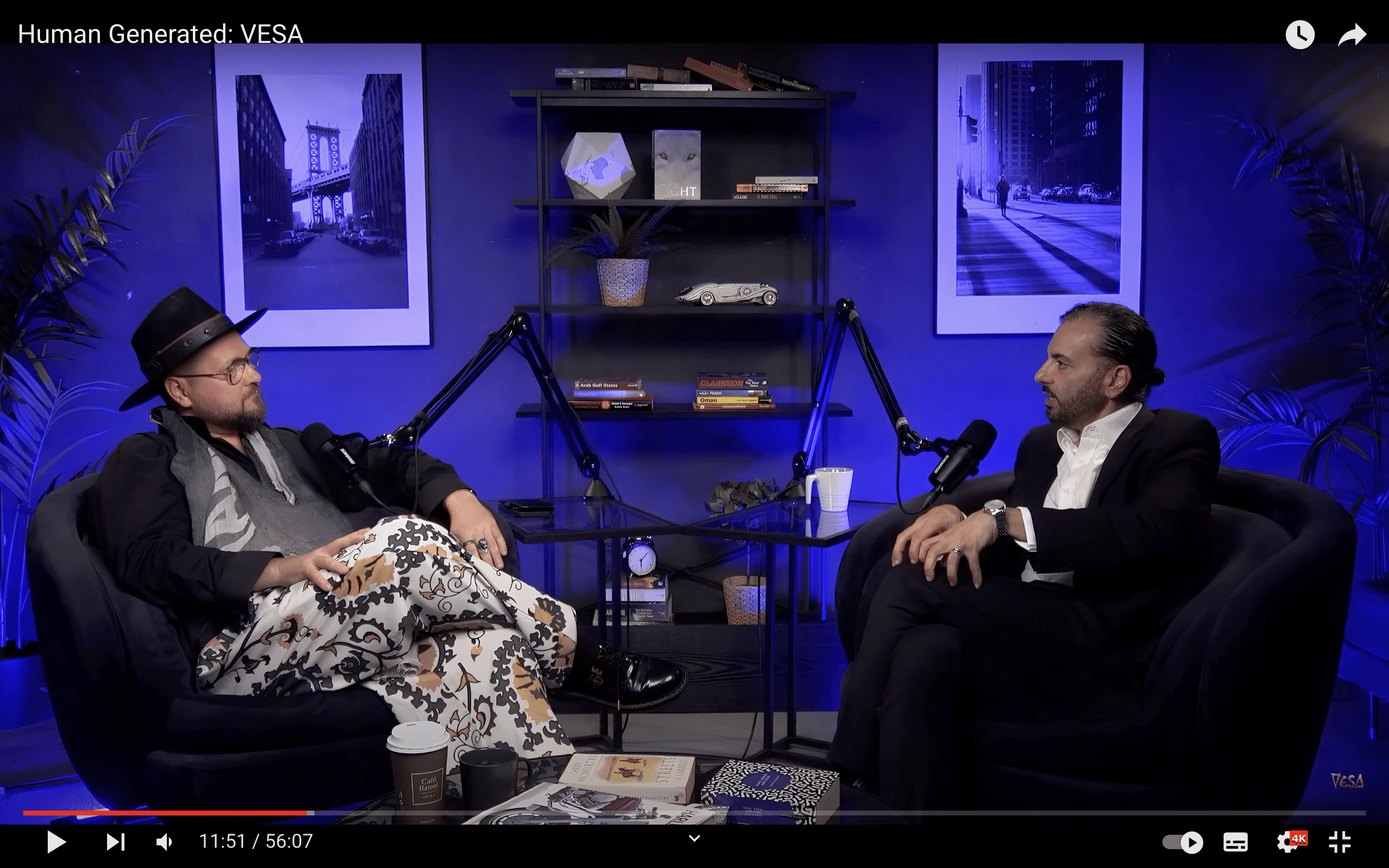
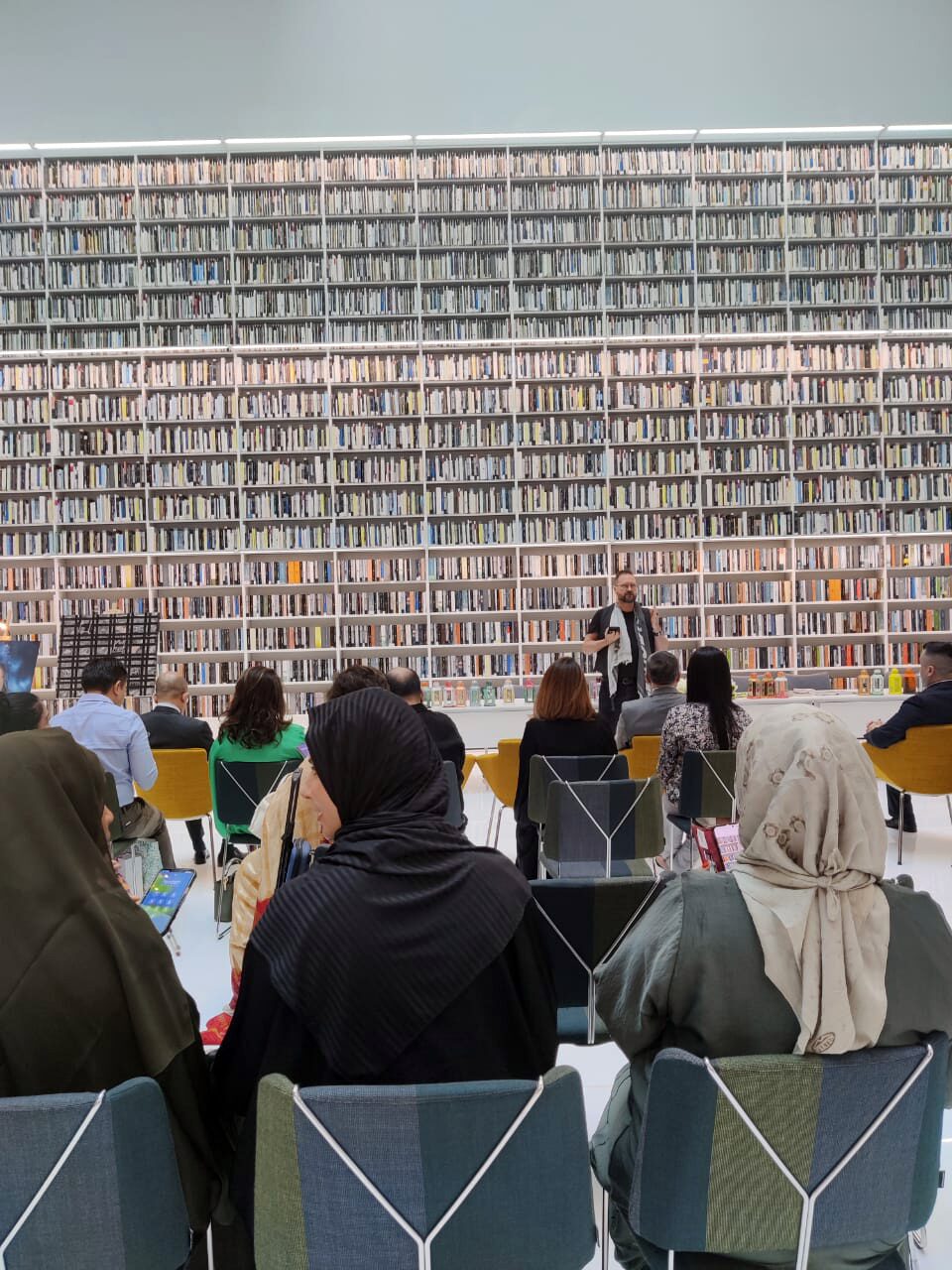
The intersection of ancient artistic traditions and modern digital innovation took center stage during a recent appearance by renowned crypto and mixed-media artist VESA on the Human Generated podcast, hosted by Omid Honari. Recorded following their respective keynote presentations at the prestigious Mohammed Bin Rashid Library in Dubai, the wide-ranging conversation delved into how emerging technologies like NFTs and the metaverse are reshaping the global creative landscape. Rather than viewing Web3 and blockchain advancements as a threat to traditional craftsmanship, VESA and Honari explored how these digital frameworks can democratize the art world, dismantling legacy gatekeeping systems and reconnecting modern creators with the primordial roots of human expression.

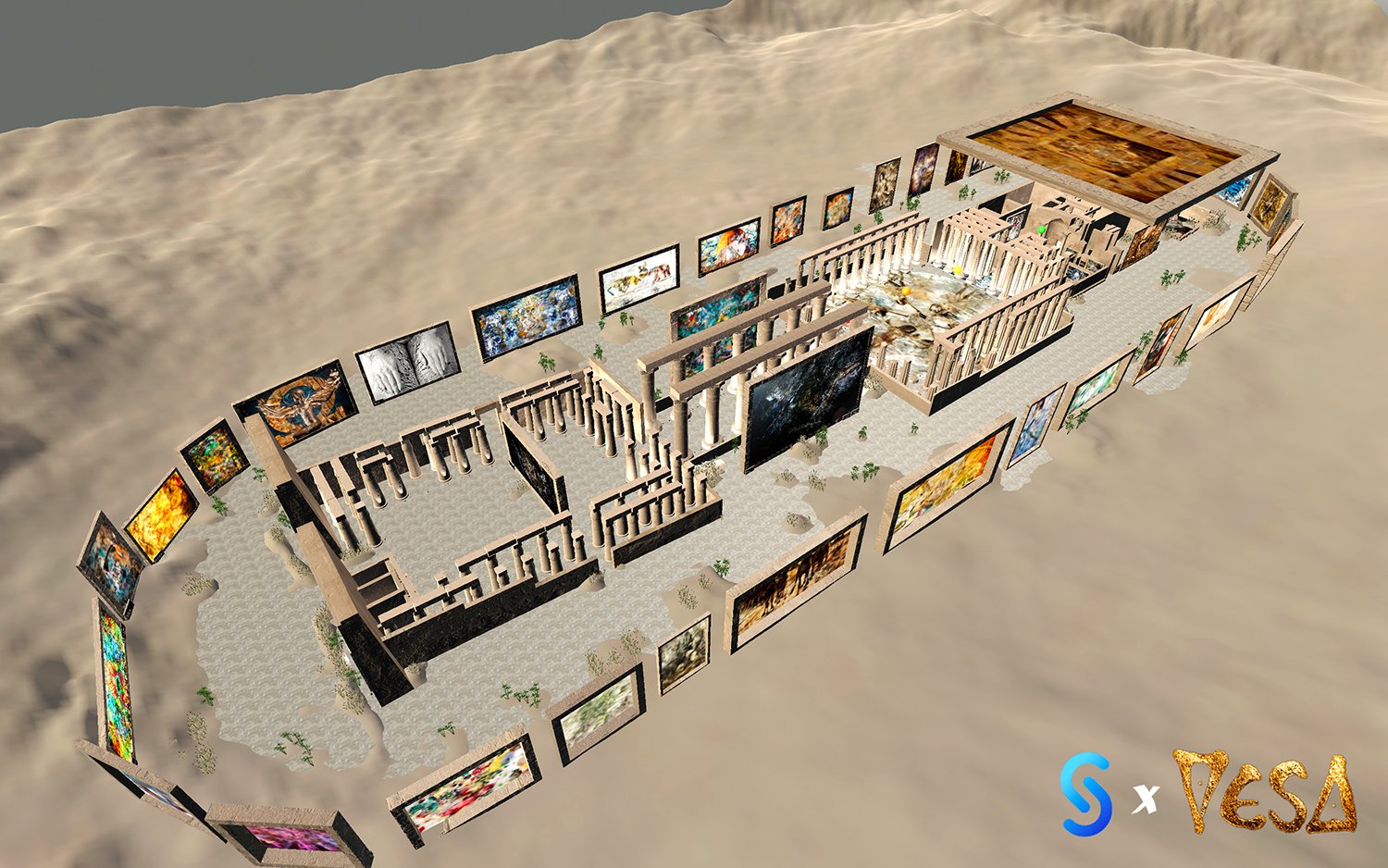
The dialogue between the two cultural commentators highlights a pivotal transition period within the contemporary art market. While traditional institutions have historically relied on physical mediums and centralized curatorial bodies to dictate artistic value, the advent of blockchain technology has introduced immutable digital scarcity and verifiable ownership. Throughout the interview, VESA emphasized that tools such as non-fungible tokens (NFTs) and metaverse galleries—exemplified by his own Luxor-inspired digital initiatives—provide creators with unprecedented autonomy. This shift challenges the prevailing dogma of modern art education, which often focuses heavily on contemporary ideological frameworks while overlooking humanity’s foundational urge to create, stretching from prehistoric cave paintings and body art to decentralized digital spaces.
Background and Context: A Meeting of Minds in Dubai
The intellectual partnership between VESA and Omid Honari originated in early 2023 during a series of keynote engagements at the Mohammed Bin Rashid Library, a major cultural landmark in Dubai known for fostering dialogue on literature, art, and technology. The discussion was later captured on the Human Generated podcast in late May, against the backdrop of Dubai’s intense summer heat.

For VESA, a 44-year-old native of Finland who previously resided in the United Kingdom, the transition to consistent Middle Eastern warmth marked a significant lifestyle change. Reflecting on his northern European roots, VESA noted the psychological and physical weight of enduring decades of cold winters, describing it as "cold trauma" that artists often internalize. Honari connected this observation to broader philosophical ideas regarding human adaptability, noting that our relationships with our environment are largely mediated through narrative, memory, and inherited wisdom. This thematic exploration of environment, roots, and physical presence set the tone for a deeper investigation into the philosophy of art.
Challenging Institutional Gatekeeping and Art Education
A central pillar of the discussion focused on the current state of arts education and the institutional frameworks that govern the global art market. Both speakers agreed that contemporary academic institutions frequently fail to provide a holistic view of art history. Instead of studying the psychological and spiritual catalysts that drove early humans to produce art, modern art history curricula often concentrate heavily on post-modernism and identity politics.
VESA argued that this fractionalized outlook causes traditional institutions to view innovative technologies with skepticism. By utilizing Ken Wilber’s Integral Theory as a conceptual framework, VESA posits that individual creativity, philosophical beliefs, and technological tools are not isolated phenomena, but functional components of a larger, interconnected ecosystem.
Furthermore, VESA criticized government-funded art grant systems—drawing specifically on his experiences in Finland—for allegedly favoring works that align with specific political or cultural narratives. According to VESA, such systems stifle genuine innovation and resemble restrictive academic environments where creators cater to institutional biases rather than pursuing authentic expression. By eliminating traditional gatekeepers, emerging digital technologies allow artists to bypass bureaucratic validation and connect directly with global audiences.
The Evolution of Mediums: From Body Painting to the Metaverse
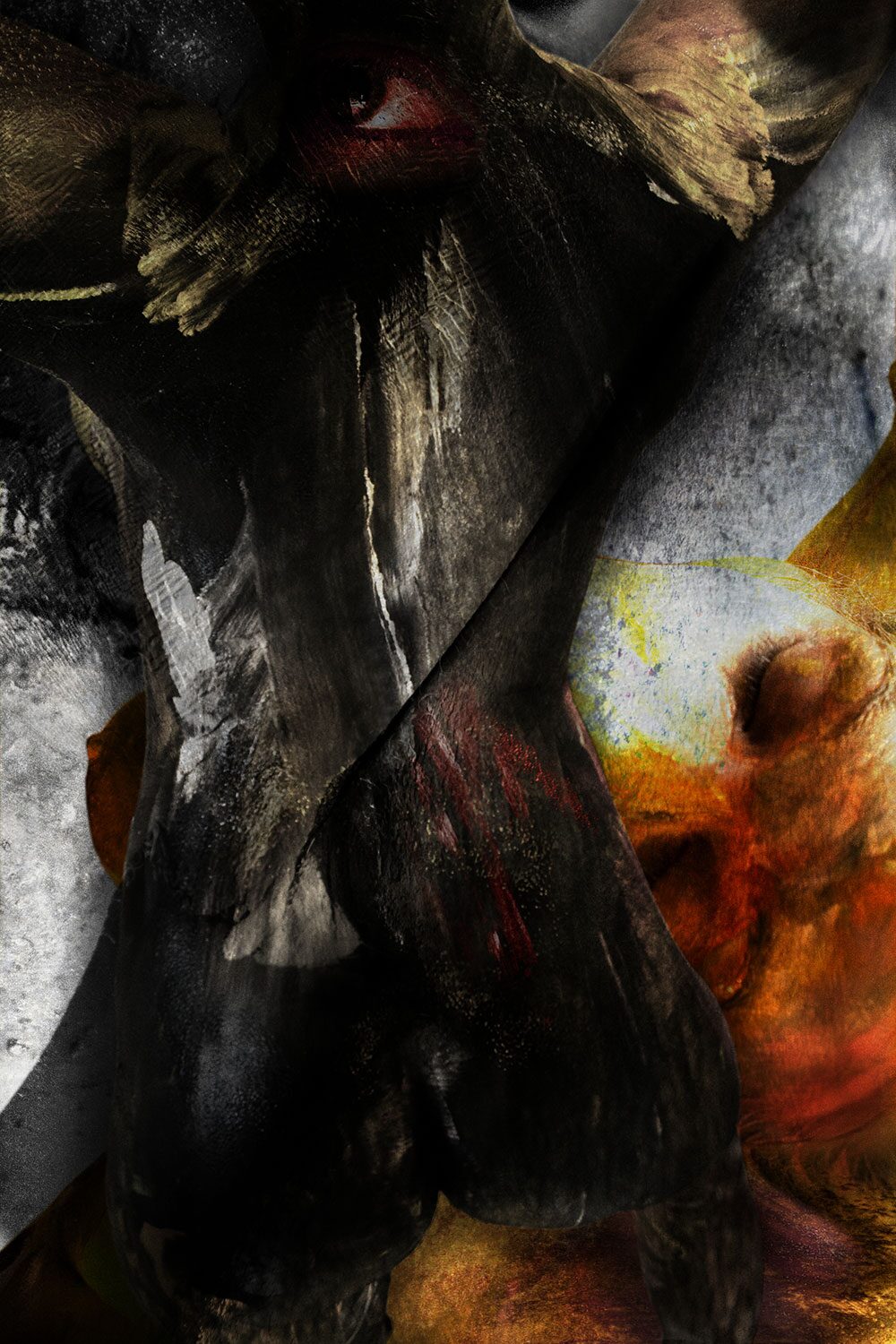
Tracing VESA’s artistic evolution reveals a consistent effort to merge physical corporality with digital abstraction. His artistic journey shifted dramatically in 2008 with the creation of "Escapist," a pioneering mixed-media work combining live body painting and photography. At a time when digital art struggled for legitimacy within traditional galleries—which routinely demanded physical oil originals—VESA’s methodology was inherently digital-first.
The advent of blockchain technology fundamentally altered this dynamic. VESA likened the technological infrastructure underpinning Bitcoin and NFTs to a digital equivalent of physical scarcity, comparing authenticated digital masterpieces to the uniqueness of the Mona Lisa.
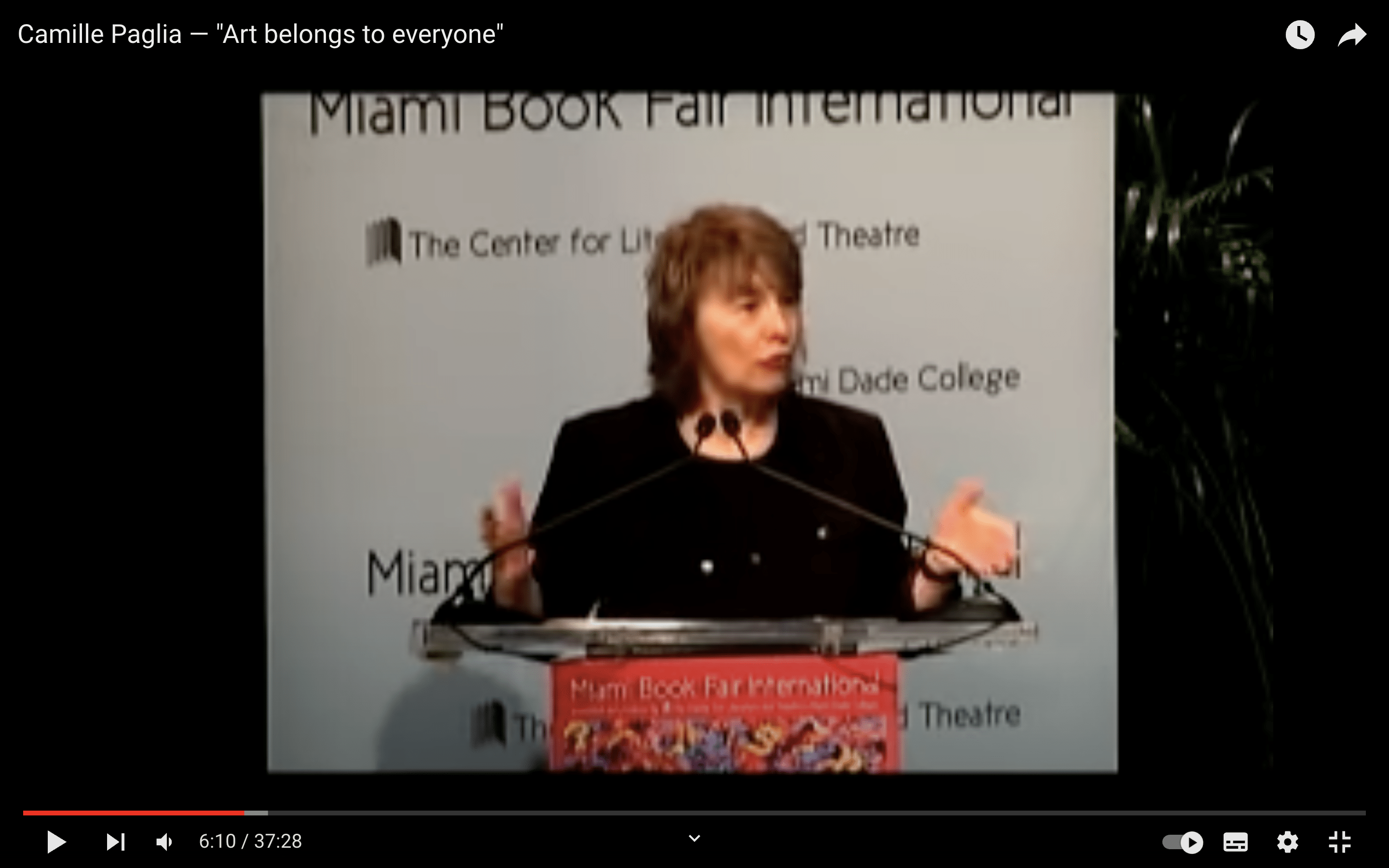
When Honari raised concerns about whether speculative digital assets—such as profile-picture NFT projects—risk trivializing serious artistic endeavors, VESA made a clear distinction between speculative collectibles and digitized fine art. While acknowledging the marketing ingenuity and utility of community-access tokens, VESA maintained that such projects serve a different function than classical or contemporary fine art. He referenced cultural critic Camille Paglia’s lectures, suggesting that society stands on the precipice of a new cultural renaissance, provided that collective consciousness can move beyond institutional limitations.
Spirituality, Origins, and the Receiver Metaphor
The conversation naturally transitioned into metaphysical territory, exploring the spiritual origins of creativity. VESA recounted pivotal moments in his life that shaped his worldview, including a near-death drowning experience at age six and an early fascination with music and African drumming. Rather than viewing the human brain as a generator of original thought, VESA described consciousness and the brain as receivers of a broader, universal signal.
Drawing parallels to ancient wisdom traditions, VESA discussed the influence of texts such as The Ancient Secret of the Flower of Life, which he encountered while documenting projects in Egypt and Mexico in 2012. This perspective aligns with classic mystical philosophies, such as the opening lines of Rumi’s poetry regarding the reed pipe longing to return to its source. For VESA, the act of creation is an exercise in channeling these universal patterns into forms that resonate with human experience.
Expanding the Canvas: Art Cars and Digital Twins
As the interview concluded, Honari drew comparisons between VESA’s human body-painting methodology and his application of art to inanimate objects, such as vehicles. VESA discussed his recent projects in Dubai, including an art-covered Tesla associated with Dr. Marwan, which features a corresponding digital twin created in collaboration with ZOAN.
While experimenting with physical objects and digital doubles, VESA emphasized his commitment to maintaining cultural respect—particularly regarding Islamic artistic traditions concerning the human form—while continuing to explore the manifestation of the divine spark through creative expression. The episode concluded with a mutual agreement to continue the dialogue in a future installment of the podcast, reflecting the ongoing and evolving discourse surrounding art, technology, and human consciousness in the digital age.