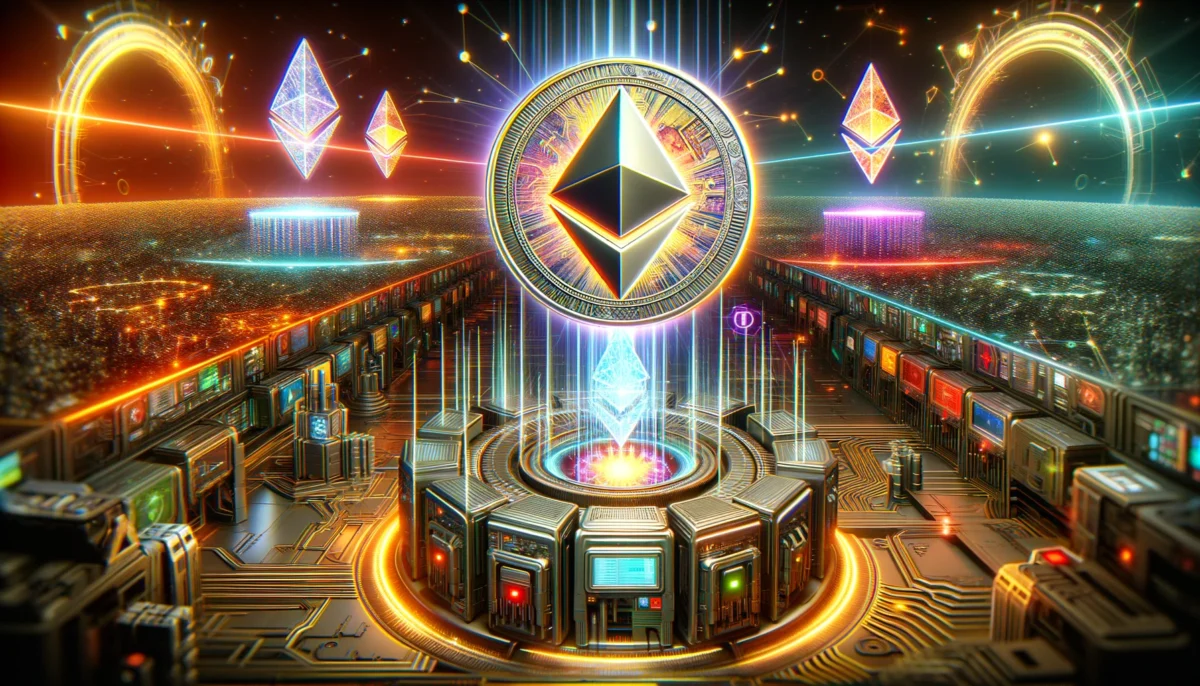
The landscape of digital ownership has undergone a radical transformation over the past several years, driven largely by the proliferation of Non-Fungible Tokens (NFTs) and emerging token standards like BRC-20. For artists, creators, and entrepreneurs, the ability to tokenize digital assets offers unprecedented control, direct monetization channels, and the potential to build vibrant, engaged communities around creative works. Beyond traditional fine art and collectibles, NFTs have evolved into powerful instruments for digital identity, event access, virtual real estate management, and decentralized fundraising.
However, entering the realm of blockchain-based token creation requires more than just creative vision; it demands a solid technical comprehension of decentralized networks, smart contract mechanics, and economic considerations such as gas fees and market volatility. While the potential rewards are substantial, navigating this dynamic space necessitates careful planning, an understanding of regulatory implications, and a measured approach to risk management. This comprehensive guide explores the foundational concepts of NFTs, details the evolution of the tokenized economy, and provides a step-by-step walkthrough for deploying a smart contract and minting your first digital asset on the Ethereum network using decentralized marketplaces like OpenSea.

Understanding Non-Fungible Tokens and the Digital Asset Economy
To fully appreciate the utility of NFTs, one must first understand how they differ from traditional cryptocurrencies. Fungible digital assets, such as Bitcoin and Ethereum, are interchangeable on a one-to-one basis. One Bitcoin is universally valued identically to any other Bitcoin, much like a traditional fiat currency bill. Non-Fungible Tokens, conversely, are cryptographically unique digital certificates of authenticity and ownership tied to specific items or content. Because each NFT contains distinct metadata and a unique identifier etched onto a blockchain ledger, they cannot be directly exchanged on a like-for-like basis.
NFTs are predominantly minted, bought, and sold on EVM-compatible (Ethereum Virtual Machine) blockchain platforms, as well as alternative ecosystems like the Binance Smart Chain, Solana, and Polygon. These networks rely on smart contracts—self-executing code stored on the blockchain—to automate ownership transfers and execute transactions transparently without the need for traditional intermediaries.

Digital items represented by NFTs span a broad spectrum, including digital artwork, musical compositions, video clips, virtual real estate within metaverse environments, and interactive gaming assets. The metadata associated with each token ensures that the provenance, creator identity, and transaction history remain permanently verifiable, immutable, and publicly accessible.
The Historical Evolution of the NFT Market
The concept of non-fungible digital assets traces its roots back to early experiments on the Bitcoin blockchain, such as Colored Coins in 2012 and Counterparty assets like Rare Pepes in 2016. However, the modern NFT market truly took shape following the introduction of Ethereum’s ERC-721 standard in 2017, which was developed specifically to facilitate the creation and trading of unique digital assets. Projects like CryptoPunks and CryptoKitties popularized the concept of digital collectibility, demonstrating the viability of blockchain-based ownership for digital goods.
The market experienced an exponential boom between 2020 and 2022, capturing mainstream cultural and financial attention. High-profile digital art sales, such as Beeple’s historic $69 million auction at Christie’s in March 2021, propelled NFTs into global headlines. During this period, decentralized marketplaces like OpenSea emerged as critical infrastructure, processing billions of dollars in monthly volume and establishing user-friendly interfaces that lowered the barrier to entry for non-technical creators.
Despite a subsequent market correction and the cooling of speculative fervor during the broader crypto market downturn of 2022 and 2023, the fundamental utility of NFTs has continued to mature. Industry focus has shifted away from short-term speculation toward utility-driven applications, including ticketing, intellectual property rights management, loyalty programs, and deep integration within blockchain-based gaming ecosystems.
Preparing for Token Creation: Goals, Risks, and Technical Prerequisites
Before deploying a smart contract or minting a digital asset, creators must evaluate their strategic objectives and risk tolerance. Entering the blockchain space involves several financial and technical considerations that must be addressed methodically:
- Technical Competence: Creators must familiarize themselves with Web3 wallets, gas mechanics, and basic smart contract interactions. Mistakes made during blockchain transactions are irreversible.
- Financial Investment: Minting and deploying smart contracts on proof-of-stake networks like Ethereum requires native cryptocurrency (ETH) to cover transaction fees, commonly known as gas fees. These fees fluctuate dynamically depending on network congestion.
- Market Research and Audience Building: Simply minting an NFT does not guarantee visibility or sales. Successful projects typically require robust community engagement, clear value propositions, and targeted marketing strategies.
- Legal and Regulatory Compliance: Depending on the jurisdiction and the nature of the digital asset, creators must consider potential tax obligations, intellectual property rights, and emerging regulatory frameworks governing digital assets.
Step-by-Step Guide: Creating and Minting an NFT on OpenSea via Ethereum
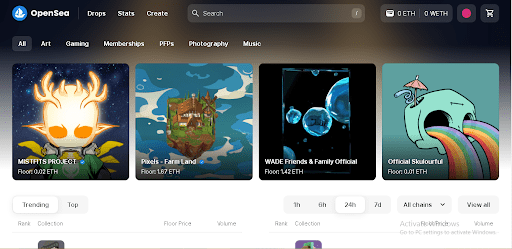
For those ready to move forward, decentralized marketplaces provide streamlined tools to facilitate the creation process. This guide utilizes OpenSea, one of the most prominent decentralized marketplaces built on the Ethereum blockchain, to illustrate the standard workflow for deploying a smart contract and minting an ERC-1155 token collection.
Step 1: Connecting a Web3 Wallet
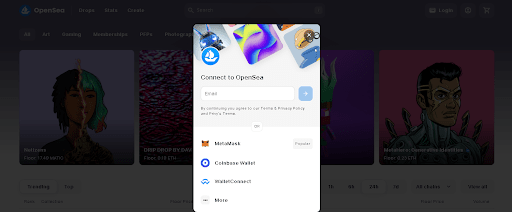
The journey begins by visiting the official OpenSea platform. To interact with decentralized applications, users must connect a compatible Web3 wallet—such as MetaMask, Coinbase Wallet, or Rabby. Click the "Login" or wallet connection button typically located in the top-right corner of the interface and authorize the connection through your browser extension or mobile wallet app.
Step 2: Accessing OpenSea Studio
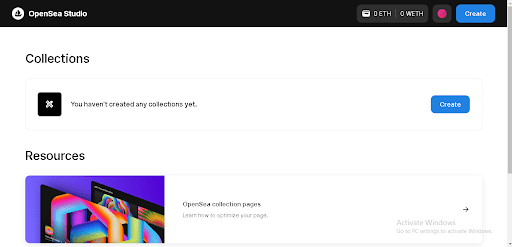
Once your wallet is securely connected, click on your profile icon in the top-right corner of the interface. From the dropdown menu, select "Studio." OpenSea Studio serves as the primary creation suite, providing creators with the advanced tools necessary to deploy custom smart contracts and manage digital collections.
Step 3: Initiating the Creation Process
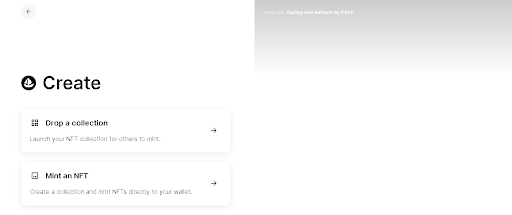
Inside the Studio dashboard, locate and click the "Create" button, typically situated in the top-right corner. The platform will present options to either drop an entire collection or mint individual digital items. Selecting "Create an NFT" allows you to initiate the minting process directly into your connected wallet.
Step 4: Deploying a Smart Contract and Creating a Collection
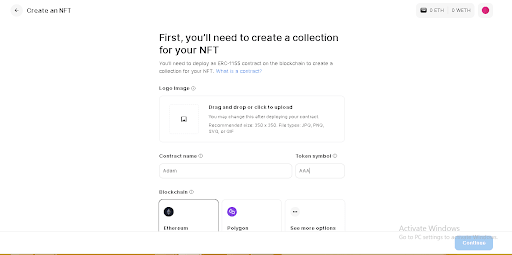
If you are using OpenSea Studio for the first time, you will need to establish a new collection by selecting "Create a new collection." This step requires you to deploy your own smart contract onto the blockchain. Customizing your contract involves several key inputs:
- Uploading a collection logo image.
- Choosing a distinct contract name.
- Designating a unique token symbol.
- Selecting the target EVM blockchain network (e.g., Ethereum, Polygon, or Arbitrum).
Deploying a smart contract requires a blockchain transaction, which incurs a gas fee paid in the native currency of the selected network. Gas fees fluctuate based on real-time network activity; if network congestion is high and fees appear prohibitive, creators may choose to wait until network traffic subsides. Once parameters are finalized, click "Continue" and approve the transaction signature request within your Web3 wallet.
Step 5: Minting the Digital Asset
Following the successful deployment of your smart contract, you can proceed to generate your NFT. It is crucial to note that once an item is minted and permanently recorded on the immutable blockchain ledger, its core metadata cannot be edited.
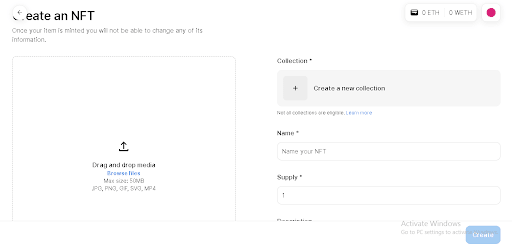
For this guide, the process utilizes the ERC-1155 standard, which allows creators to mint either a single unique item (one-of-one) or multiple identical copies of the same digital asset (multi-edition).
- Upload Media: Upload the digital file representing your artwork, video, audio, or collectible.
- Select Collection: Choose the smart contract collection you deployed in the previous step.
- Name and Supply: Input a descriptive name for your item and define the item supply. Entering a supply of "1" designates the asset as a unique one-of-one piece, while a higher number creates multiple editions.
- Execute Minting: Click the "Create" button. A loading prompt will appear as the transaction is processed. You will be prompted to approve the final minting transaction through your Web3 wallet.
Upon successful completion and blockchain confirmation, a congratulatory message will appear, confirming that your digital asset has been successfully minted and deposited directly into your Web3 wallet.
Broader Economic Implications and Future Outlook
The democratization of token creation has fundamentally altered how digital ownership is conceptualized and transacted. By removing traditional gatekeepers, platforms like OpenSea and blockchain standards such as ERC-721 and ERC-1155 empower independent artists and global communities to interact in a trustless, transparent environment.
However, the long-term viability of the digital asset ecosystem depends on ongoing infrastructural improvements. High gas fees on layer-1 networks like Ethereum have driven significant user migration toward Layer-2 scaling solutions and alternative EVM-compatible chains, enhancing transaction speeds and reducing costs for everyday users. Furthermore, as regulatory bodies worldwide continue to scrutinize the digital asset sector, clarity regarding taxation, consumer protection, and intellectual property rights will play a pivotal role in shaping institutional adoption.
Ultimately, while the technical steps to minting a digital asset have become increasingly accessible, sustainable success in the tokenized economy relies on a balance between creative innovation, rigorous risk assessment, and an informed understanding of blockchain mechanics. As the technology continues to mature, NFTs and advanced token standards will likely remain integral components of the evolving digital financial landscape.