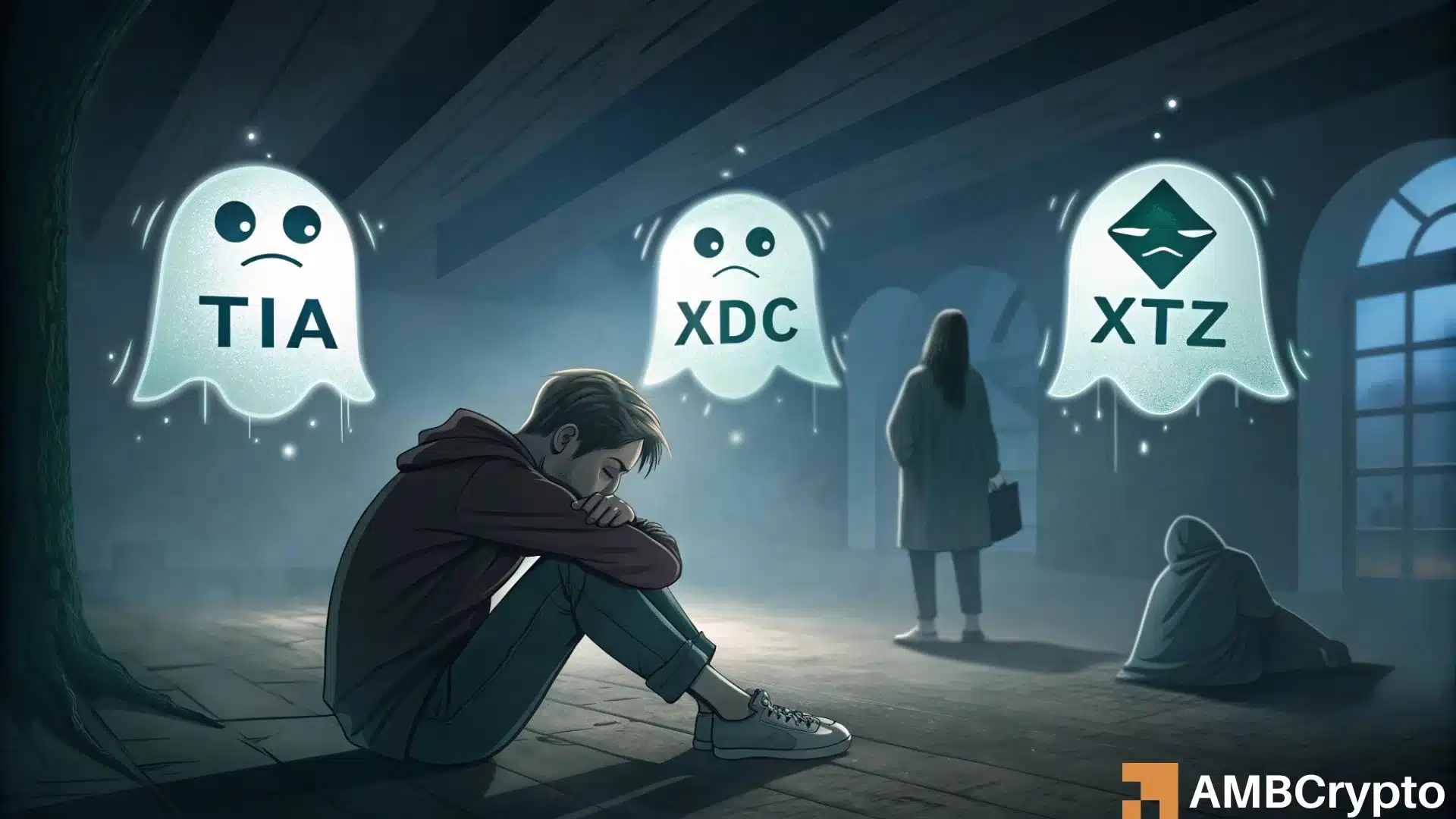
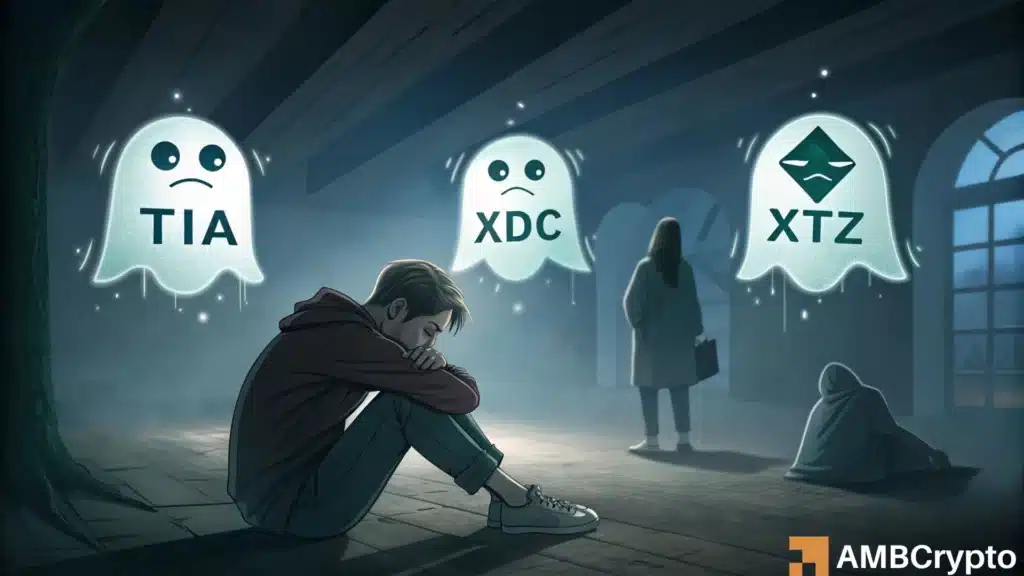
The blockchain industry has experienced an unprecedented era of expansion, with the total number of active networks currently exceeding 500 according to data from DefiLlama. While this proliferation of infrastructure suggests a maturing decentralized finance (DeFi) ecosystem, it has also created a dichotomy where market capitalization increasingly detaches from actual on-chain utility. As the industry matures, investors and analysts are turning their attention to the phenomenon of "ghost chains"—networks that command significant market valuations despite dwindling user engagement and collapsing transaction activity. This growing gap between financial perception and technical reality raises fundamental questions about the long-term sustainability of many established layer-1 and layer-2 protocols.
The Evolution of the Blockchain Landscape
The current state of the market is the result of years of hyper-growth. Following the initial surges of 2020 and 2021, the market saw a gold-rush mentality that incentivized the launch of countless chains. Data from Alchemy highlights that among the hundreds of networks launched, only 64 have managed to sustain a significant market presence. However, sustainability in the blockchain sector is not merely defined by token price; it is defined by the network effect—the number of developers, active wallets, and transaction volume occurring on the ledger.
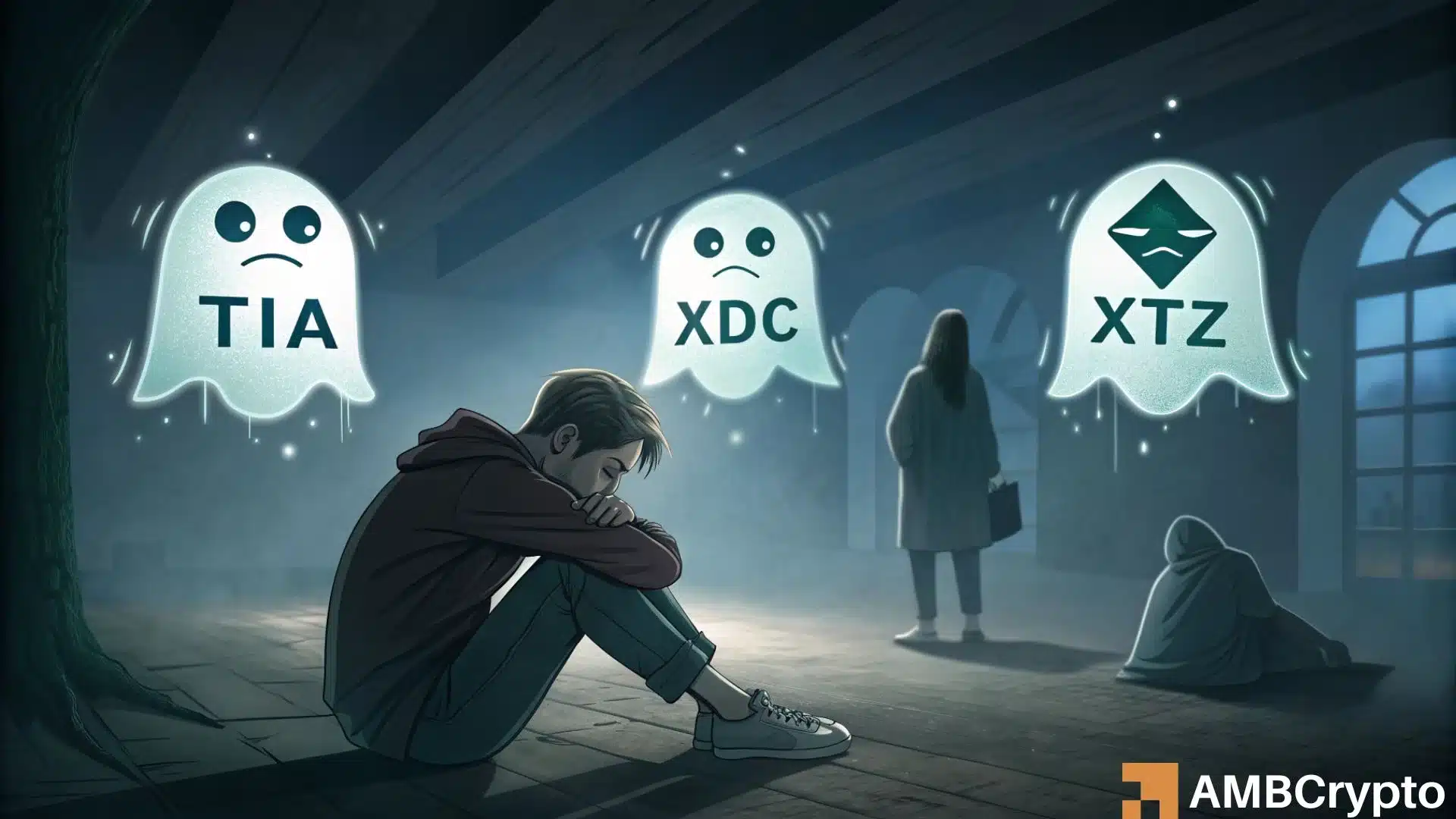
The current market cycle has exposed the fragility of this growth. While some chains like Ethereum and Solana have maintained consistent demand, others have suffered from a slow erosion of their user base. This shift has created a unique class of "zombie" networks: platforms that maintain high market rankings due to historical reputation or speculative interest, but which are increasingly abandoned by the very communities they were built to serve.
XDC Network: A Case Study in Declining Participation
The XDC Network (XDC) serves as a stark example of the disparity between market cap and network health. Once a darling of the enterprise-grade blockchain space, XDC has seen its market valuation fluctuate significantly, falling from a peak of $2 billion to its current levels near $644 million. While a $644 million valuation still places it among the top 100 digital assets globally, the underlying metrics reveal a different story.
Chronologically, the decline has been steady. In 2021, the network boasted an average of 288,000 daily addresses. By recent counts, that number has cratered to roughly 16,000 active users—a contraction of over 94% from its height. This 84.38% drop in active addresses is a leading indicator that has directly manifested in the asset’s price action. The XDC token has faced an annualized decline of 62.5%, illustrating that market sentiment is finally beginning to price in the lack of network utility. The failure to attract new enterprise partners or decentralized applications (dApps) has left the network struggling to maintain the relevance it enjoyed during the previous market cycle.
Celestia and the Challenge of Modular Infrastructure
Celestia (TIA) presents a more complex case. As a pioneer in the modular blockchain architecture, Celestia was designed to solve the data availability problem for rollups. However, the hype surrounding its launch in late 2023 has failed to translate into sustained long-term network demand.
The peak of Celestia’s network activity occurred in 2024, when active addresses reached 36,000. Since that zenith, the decline has been sharp and unforgiving. Current reports suggest that active addresses have plummeted to approximately 1,200—a staggering 96.92% reduction from the network’s peak. This exodus of users has had a profound impact on the TIA token. After reaching its all-time high (ATH), the asset has retreated by approximately 98.2%, currently trading at roughly $0.35.
For industry observers, the Celestia trajectory underscores a critical lesson: modularity is a compelling technological narrative, but it is not a substitute for application-layer demand. If the rollups that rely on Celestia for data availability do not scale, the primary network suffers, regardless of the elegance of its underlying design.

Tezos: The Struggle for Financial Sustainability
Tezos (XTZ), a veteran of the Proof-of-Stake (PoS) movement, provides a cautionary tale regarding network sustainability. Despite a market capitalization exceeding $400 million, the network has struggled to generate consistent fee revenue—a primary metric for measuring the value captured by a blockchain.
According to data from Artemis, Tezos has seen its total fee revenue decline by 68% over the past twelve months. In the context of a blockchain network, fees represent the market’s willingness to pay for block space. A declining fee pool indicates a lack of complex transaction activity, such as DeFi trades, NFT minting, or smart contract interactions.
The correlation between this revenue decline and the price of XTZ is undeniable. The token has lost 95% of its value from its all-time high and has experienced a 47% drop over the last year alone. For Tezos, the challenge is not technological; it is competitive. In a crowded landscape where newer, faster, and more integrated chains exist, legacy PoS networks are finding it increasingly difficult to retain their developer ecosystems and liquidity providers.

The Macro Implications: Why User Metrics Matter
The broader implication of this "ghost chain" phenomenon is a fundamental shift in how institutional and retail investors value blockchain assets. Historically, price was driven by narrative and speculation. Today, the focus is shifting toward "real yield" and "utility-driven value."
- The Correlation Between Activity and Value: The current market environment has definitively proven that token prices cannot stay decoupled from network activity indefinitely. When a chain stops being used, the demand for its native token—often required to pay for gas fees—vanishes, leading to sell-side pressure.
- The Danger of Speculative Premiums: Assets that maintain a high market cap despite low usage are essentially carrying a "speculative premium." Should this premium evaporate, holders of these tokens face significant downside risk, as the asset’s floor price is no longer supported by its utility as a medium of exchange or a governance tool.
- The Importance of Developer Retention: Chains that fail to retain a consistent stream of developer activity eventually enter a "death spiral." Without new applications, there is no reason for users to bridge assets to the chain; without users, developers move to more active environments.
Industry Outlook and Future Trajectories
Looking ahead, the blockchain sector is likely to undergo a period of consolidation. The sheer number of active chains is unsustainable, and market forces will likely drive a "flight to quality." Investors are increasingly scrutinizing the "Daily Active Addresses" (DAA) and "Total Value Locked" (TVL) metrics to filter out networks that have failed to capture real-world product-market fit.
While it is possible for these networks to rebound, doing so would require more than just marketing or token incentive programs. It would require a fundamental pivot in strategy, such as attracting a new wave of high-volume dApps, lowering transaction costs through technical upgrades, or forming strategic partnerships that bring tangible, non-speculative volume to the chain.

For the time being, the data serves as a sobering reminder: in the digital asset space, the network effect is the ultimate arbiter of value. As the blockchain boom matures, the industry will likely move away from valuing projects based on their potential and toward valuing them based on their demonstrated utility. Those that cannot prove their worth through consistent, organic usage may find themselves relegated to the history books, serving as cautionary tales of what happens when a protocol’s market valuation outpaces its real-world contribution to the decentralized economy. The era of blind speculation is giving way to an era of fundamental analysis, and for many networks, this transition will be the defining challenge of the coming decade.