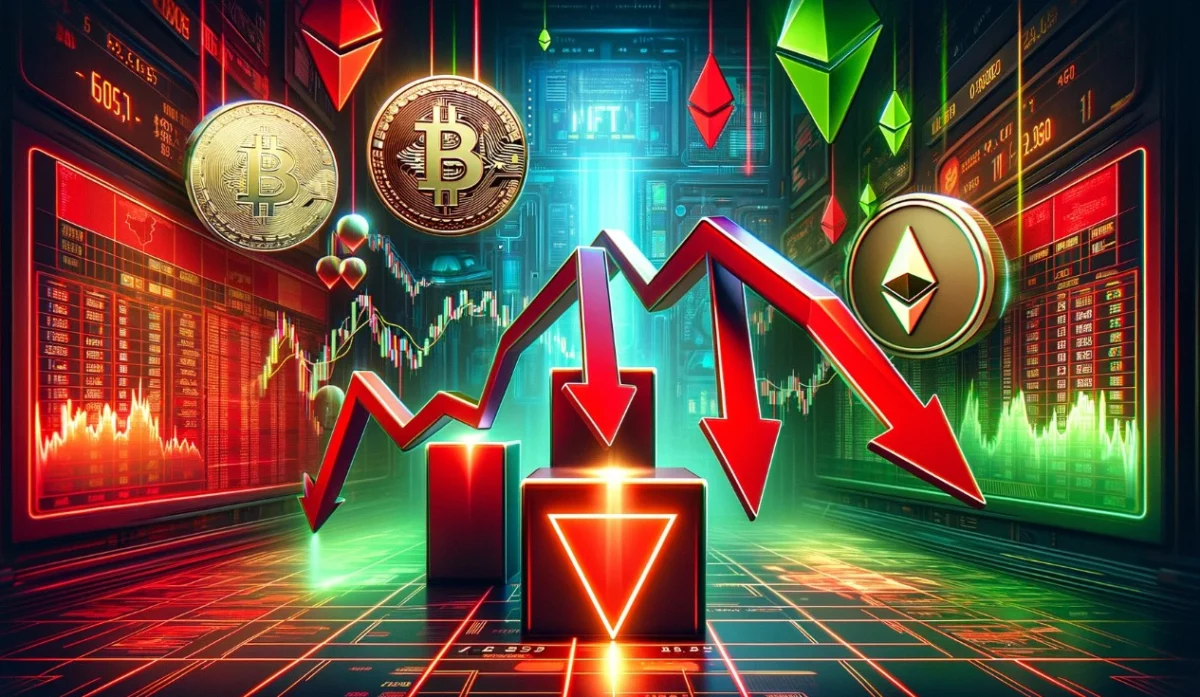
In a cryptocurrency landscape increasingly characterized by the ascendant trajectories of Bitcoin (BTC) and Ethereum (ETH), the non-fungible token (NFT) market is navigating a period of pronounced decline. Once a vibrant frontier of digital ownership and artistic expression, NFTs, which represent unique digital assets verifiable on a blockchain, have witnessed a stark erosion of mainstream appeal and investor interest. This downturn is underscored by plummeting search interest and a substantial contraction in sales volume, signaling a potential recalibration of investor priorities within the broader digital asset ecosystem.
Declining Search Interest and Market Capitalization
Recent data indicates a significant dip in public curiosity surrounding NFTs. According to a report by Bloomberg, Google searches for "NFT" have fallen to their lowest levels since 2021, the year when NFTs first captured widespread public attention and experienced a meteoric rise in popularity. This decline in search volume often correlates with diminished market activity and a broader disengagement from the asset class by both casual investors and seasoned enthusiasts.
The consequences of this waning interest are palpable in the market’s financial metrics. Researcher DappRadar’s analysis reveals that NFT sales have contracted by over six percent in the first five months of 2024, amounting to $8.5 billion, when compared to the same period in the preceding year. This figure stands in stark contrast to the market’s zenith in January 2022, when NFT sales for a single month impressively reached $17.2 billion. This dramatic reduction in transaction volume suggests a significant contraction in both the number of buyers and the capital being deployed into the NFT space.
The Ethereum ETF Effect and Capital Rotation
A key factor contributing to the recent downturn appears to be the anticipation and subsequent approval of Ethereum Exchange-Traded Funds (ETFs) by the U.S. Securities and Exchange Commission (SEC). As news emerged of the SEC’s progression toward approving ETFs that would directly invest in Ethereum, a discernible shift in investor capital was observed. Reports suggest that some investors began reallocating their funds from NFTs into ETH, anticipating potential gains from these new investment vehicles.
Nicolas Lallement, co-founder of NFT data tracker NFT Price Floor, elaborated on this phenomenon, characterizing it as a common occurrence in the dynamic cryptocurrency markets. He explained that capital rotation is a natural consequence of evolving market narratives and the emergence of new, attractive investment opportunities. In this instance, Ethereum’s potential as a direct investment through ETFs likely drew capital away from more speculative or niche assets like NFTs. Lallement posits that Ethereum is poised to continue attracting and absorbing significant market capital, which inevitably exerts downward pressure on the prices of other digital assets, including NFTs.
Price Corrections Across Major NFT Collections
The impact of this capital rotation and broader market sentiment is starkly evident in the performance of established NFT collections. Many prominent NFT projects have experienced substantial price declines year-to-date. NFT Price Floor reports that prices for these collections have fallen by an average of 40% to 50%.
CryptoPunks, a pioneering collection minted on the Ethereum blockchain, is currently trading at levels not seen since 2021. Its value has depreciated by 29% from its previous yearly low. Similarly, highly coveted collections such as the Bored Ape Yacht Club (BAYC) and Chromie Squiggle have seen their "floor prices" – the lowest price at which an item in a collection is available – halve compared to their lowest points last year. This widespread devaluation indicates a significant correction across the board, affecting even the most recognized names in the NFT space.
A Market Correction in Progress

Daniel Maegaard, a prominent NFT collector, corroborates the sentiment of a market undergoing a significant correction. He notes that after the peak euphoria of 2021, most NFT collections have either continued to decline or have stagnated. Maegaard has personally reduced his holdings, having recently divested from several "blue-chip" NFTs, including works by renowned digital artists such as XCOPY, Hackatao, and Coldie.
While acknowledging that some niche NFT art collections, such as those by XCOPY, have demonstrated positive returns over the past 90 days, Lallement maintains that the overarching trend points towards a sustained market correction. This suggests that isolated successes do not negate the broader market downturn and that a period of consolidation and price discovery is likely to continue.
Resilience Amidst the Downturn: Magic Eden’s Performance
Despite the widespread challenges, certain platforms within the NFT ecosystem have demonstrated a degree of resilience. The NFT marketplace Magic Eden, for instance, has been noted for its ability to gain market share. According to Sara Gherghelas, an analyst at DappRadar, trading activity on Magic Eden has seen an increase. Although the platform recorded record trading volumes in April, activity has since experienced a decrease, aligning with the broader market trend. Nonetheless, its relative strength suggests that effective marketplace strategies and user engagement can still yield positive results even in a contracting market.
Broader Implications and Future Outlook
The current state of the NFT market raises several important questions about its long-term viability and its place within the evolving digital asset landscape. The dramatic decline in popularity and value suggests that the initial speculative fervor has waned, and a more mature, utility-driven approach may be necessary for sustained growth.
The shift in investor focus towards established cryptocurrencies like Bitcoin and Ethereum, particularly with the advent of institutional-grade investment products like ETFs, indicates a maturing market that is increasingly discerning about where to allocate capital. While NFTs represent a novel form of digital ownership and have the potential to revolutionize various industries, including art, gaming, and collectibles, their current market performance suggests that the path to mainstream adoption will likely be more complex and protracted than initially anticipated.
The continued development of NFTs with tangible real-world utility, enhanced interoperability, and more robust community engagement could be crucial for their resurgence. Furthermore, regulatory clarity and a clearer understanding of their long-term value proposition will be essential for attracting sustained institutional and retail investment.
As of the time of this report, Ethereum (ETH) was trading at approximately $3,480. This price point reflects a notable decline, with ETH experiencing a sharp 5% drop in the past 24 hours and an over 8% decrease in the last seven days, mirroring the broader market trend influenced by Bitcoin’s performance. This price action further underscores the interconnectedness of the cryptocurrency market and the impact of macroeconomic factors and major asset movements on the entire ecosystem, including the NFT sector.
The future of the NFT market will likely depend on its ability to adapt to evolving investor preferences, demonstrate clear use cases beyond speculative trading, and navigate the broader macroeconomic and regulatory environment. While the current period is marked by significant challenges, the underlying technology and the potential for unique digital ownership remain potent, suggesting that the NFT market may yet find a path to recovery and sustained relevance.
Editorial Policy and Disclaimer
NewsBTC adheres to a strict editorial policy focused on accuracy, relevance, and impartiality. Our content is created by industry experts and meticulously reviewed to uphold the highest standards in reporting and publishing. The information provided on NewsBTC is intended for educational purposes only and does not constitute investment advice. Investing in cryptocurrencies and digital assets carries inherent risks, and readers are advised to conduct their own research before making any investment decisions. Any reliance on the information provided on this website is solely at your own risk.