
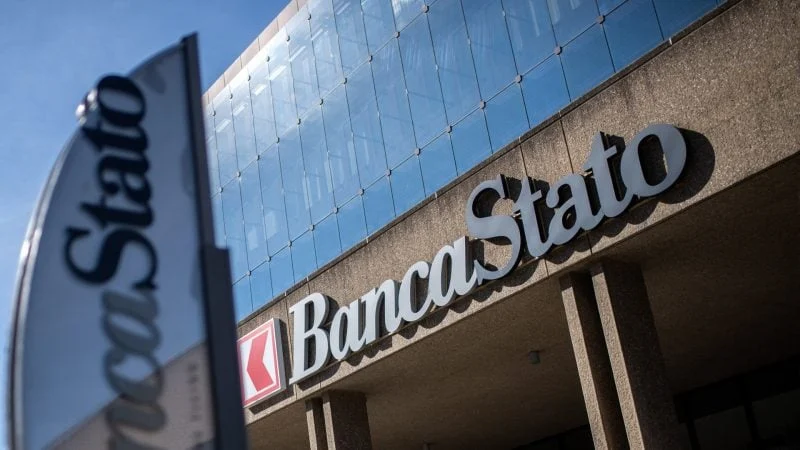
BancaStato, the cantonal bank of Ticino, has officially entered the digital asset space through a strategic partnership with Sygnum, a specialized digital asset bank, and Avaloq, a leading provider of core banking software. This collaboration marks a significant milestone in the integration of traditional Swiss banking with the burgeoning cryptocurrency market, allowing the state-backed institution to offer regulated trading and custody services to its diverse clientele. Under this new framework, BancaStato clients can now buy, hold, and sell a curated selection of major cryptocurrencies—Bitcoin (BTC), Ethereum (ETH), Litecoin (LTC), and Solana (SOL)—directly through their existing mobile and web banking interfaces.
The move by BancaStato reflects a broader trend among Swiss cantonal banks to modernize their service offerings in response to increasing retail and institutional demand for digital assets. By leveraging Sygnum’s institutional-grade infrastructure and Avaloq’s widely used software-as-a-service (SaaS) environment, BancaStato has bypassed the traditional technical barriers to entry, providing a seamless user experience that treats digital assets with the same level of security and accessibility as conventional fiat currencies and securities.
Technical Integration and User Experience
The technical foundation of this launch is rooted in an API-led integration. BancaStato utilizes Avaloq’s banking suite, which is a standard for many financial institutions across Switzerland and Europe. By integrating Sygnum’s business banking API directly into this existing infrastructure, the bank has eliminated the need for a separate, siloed order management system (OMS). This architectural choice is critical for operational efficiency, as it reduces the complexity of internal workflows and lowers the overhead costs typically associated with maintaining dual systems for traditional and digital assets.
Clients of BancaStato can execute trades using two primary methods: by specifying the exact quantity of the cryptocurrency they wish to purchase or by entering a fixed fiat value in US dollars. This flexibility caters to both seasoned crypto enthusiasts and newcomers who may prefer a "dollar-cost averaging" approach or simple value-based investing. Once an order is placed, the transaction is routed through Sygnum’s liquidity providers and executed within the regulated framework of the Swiss financial system.
Furthermore, the integration allows for real-time portfolio viewing. Clients can see their holdings of Bitcoin or Ethereum alongside their savings accounts, mortgages, and traditional stock portfolios. This consolidated view is a cornerstone of the "all-in-one" banking strategy that modern financial institutions are adopting to retain clients who might otherwise move their capital to specialized crypto exchanges.
Security and Custody Architecture
One of the most critical aspects of the BancaStato crypto launch is the emphasis on security and regulatory compliance. Unlike many retail crypto exchanges that have faced scrutiny over the commingling of funds or lack of transparency, the BancaStato-Sygnum model prioritizes asset protection. All digital assets are stored using Sygnum’s institutional-grade custody solution.
Sygnum’s custody infrastructure utilizes a multi-layered security approach, combining hardware security modules (HSMs), sophisticated software controls, and rigorous governance procedures. These systems are subject to regular external audits to ensure they meet the highest standards of the financial industry. A key feature of this arrangement is that client assets are held off-balance sheet. In the context of Swiss banking law, this is a vital safeguard; it ensures that in the unlikely event of the bank’s insolvency or bankruptcy, the digital assets remain the property of the clients and are not treated as part of the bank’s general estate to be distributed to creditors.
This "segregated asset" model provides a level of peace of mind that is often missing in the unregulated crypto market. For a cantonal bank like BancaStato, which carries a mandate to serve the economic interests of the Ticino region, maintaining this high level of trust and security is paramount.
The Evolution of Swiss Cantonal Banks in the Digital Era
Founded in 1915, BancaStato has served as a cornerstone of the financial landscape in the Swiss canton of Ticino for over a century. Its primary mission is to promote the economic development of the region and provide stable financial services to its residents. The decision to adopt cryptocurrency trading is not merely a chase for market trends but a strategic evolution to meet the changing needs of a digital-first generation of investors.
Switzerland has long been a global hub for blockchain innovation, often referred to as "Crypto Valley," particularly in the canton of Zug. However, the adoption of these technologies by traditional cantonal banks signifies that crypto has moved from the fringes of the tech world into the mainstream of Swiss finance. BancaStato is not the first to take this step; it joins a growing list of Swiss institutions, including PostFinance, Zuger Kantonalbank, St. Galler Kantonalbank, and Luzerner Kantonalbank, which have all integrated digital asset services to varying degrees.
By becoming the first bank to use Avaloq’s SaaS environment to facilitate trading via Sygnum’s API, BancaStato has positioned itself as a pioneer in technical implementation. This sets a precedent for other regional banks that utilize Avaloq, potentially accelerating the rollout of crypto services across the Swiss banking sector.
Sygnum’s Strategic Role and European Expansion
Sygnum’s involvement in this partnership highlights its role as a bridge between the old and new financial worlds. As the world’s first digital asset bank, Sygnum holds a Swiss banking license and is regulated by the Swiss Financial Market Supervisory Authority (FINMA). This regulatory pedigree makes it a preferred partner for traditional banks that require a counterparty with a deep understanding of both blockchain technology and traditional banking regulations.
The timing of the BancaStato launch is also noteworthy in the context of Sygnum’s broader European strategy. On June 30, Sygnum Europe received a crypto asset service provider (CASP) license in Liechtenstein. This license was granted under the European Union’s Markets in Crypto Assets (MiCA) framework, which provides a harmonized regulatory environment for digital assets across the European Economic Area (EEA).
With the MiCA-compliant license, Sygnum is now positioned to offer its B2B banking services—including trading, custody, and staking—to financial institutions across the EU. The partnership with BancaStato serves as a live "proof of concept" for how Sygnum can empower traditional banks to modernize their offerings without the need for extensive internal redevelopment.
Asset Selection: Bitcoin, Ethereum, Litecoin, and Solana
The choice of the four initial cryptocurrencies—Bitcoin, Ethereum, Litecoin, and Solana—reflects a calculated approach to risk and market demand.
- Bitcoin (BTC): As the largest cryptocurrency by market capitalization, Bitcoin is widely viewed as "digital gold" and is the primary entry point for most institutional and retail investors.
- Ethereum (ETH): As the leading platform for smart contracts and decentralized applications, Ethereum offers exposure to the broader ecosystem of decentralized finance (DeFi).
- Litecoin (LTC): Often referred to as the "silver to Bitcoin’s gold," Litecoin is valued for its longevity, reliability, and faster transaction confirmation times.
- Solana (SOL): One of the fastest-growing blockchain networks, Solana has gained significant traction due to its high throughput and low transaction costs, making it a favorite for developers and high-frequency traders.
By offering these four assets, BancaStato provides its clients with exposure to different facets of the crypto market—from store-of-value assets to utility-driven platforms.
Implications for the Financial Industry
The integration of crypto trading into a traditional cantonal bank has several long-term implications for the financial industry:
- Normalization of Digital Assets: When a 100-year-old, state-backed bank offers cryptocurrency, it lends significant legitimacy to the asset class. This helps to transition crypto from a speculative niche into a standard component of a diversified investment portfolio.
- Operational Efficiency through APIs: The use of Sygnum’s API within the Avaloq infrastructure demonstrates how banks can achieve digital transformation through collaboration rather than building everything in-house. This "modular banking" approach is likely to become the standard for regional banks looking to stay competitive.
- Regulatory Leadership: Switzerland’s clear regulatory framework (the DLT Act) has allowed its banks to innovate faster than their counterparts in many other jurisdictions. This launch reinforces Switzerland’s position as a leader in regulated digital asset services.
- Customer Retention: By providing crypto services, BancaStato prevents the "leakage" of assets to offshore or non-bank exchanges. It allows the bank to maintain its relationship with the client and offer advice on crypto holdings as part of a holistic financial plan.
Conclusion
The launch of regulated crypto trading at BancaStato is a landmark event for the Swiss financial sector. By combining the historical trust of a cantonal bank with the technological prowess of Sygnum and the operational reliability of Avaloq, the project provides a blueprint for the future of retail banking. As digital assets continue to mature, the ability to manage traditional and crypto investments through a single, secure, and regulated portal will likely become a baseline requirement for investors. BancaStato’s proactive move ensures that the people of Ticino are well-positioned to participate in the digital economy within a framework that prioritizes security, compliance, and ease of use.
