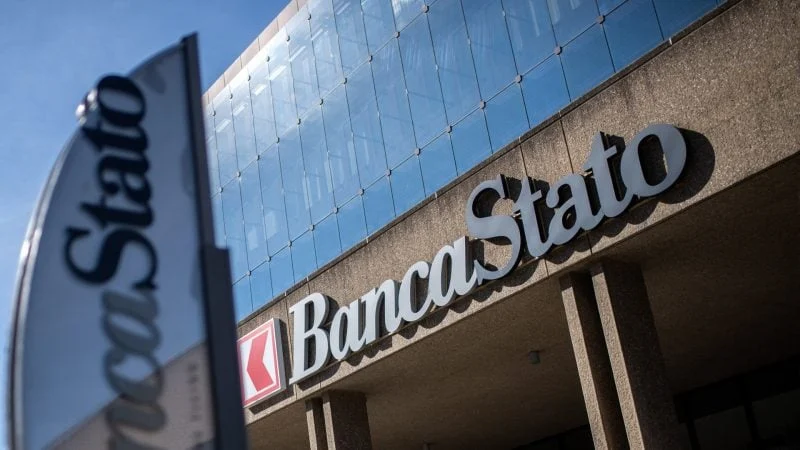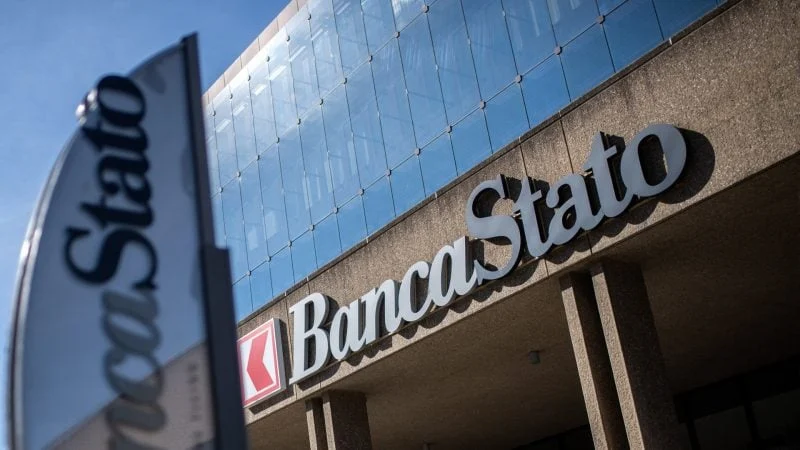
Banca dello Stato del Cantone Ticino, the prominent Swiss cantonal bank known as BancaStato, has officially entered the digital asset market by launching a regulated cryptocurrency trading and custody service. This strategic move is facilitated through a sophisticated tripartite integration involving Sygnum, the world’s first digital asset bank, and Avaloq, a global leader in digital banking solutions and core banking software. The partnership marks a significant milestone for the financial landscape of the Canton of Ticino, providing its residents with a secure, regulated gateway to the burgeoning world of decentralized finance and digital currencies.
The newly unveiled service enables BancaStato’s clientele to buy, hold, and sell a curated selection of major cryptocurrencies, including Bitcoin (BTC), Ethereum (ETH), Litecoin (LTC), and Solana (SOL). By embedding these capabilities directly into the bank’s existing web and mobile banking interfaces, BancaStato is effectively bridging the gap between traditional fiat-based finance and the digital asset ecosystem. This integration ensures that clients can manage their entire financial portfolio—comprising traditional equities, bonds, and digital assets—within a single, unified platform.
The Technical Framework: API-Driven Integration and SaaS Efficiency
The architectural backbone of this new offering is the Sygnum business banking API, which has been seamlessly integrated into BancaStato’s Avaloq infrastructure. This setup is particularly noteworthy as BancaStato is the first financial institution to utilize Avaloq’s Software as a Service (SaaS) environment to facilitate direct crypto trading through Sygnum’s specialized API. The use of a SaaS model allows the bank to leverage cutting-edge technology without the heavy capital expenditure typically associated with building proprietary blockchain infrastructure.
From a functional standpoint, the integration streamlines the order execution process. Clients can place market orders based on two distinct metrics: the specific quantity of a cryptocurrency they wish to acquire or a specific fiat value denominated in US dollars. Because the system is integrated into the bank’s core infrastructure, it eliminates the need for a secondary, separate order management system (OMS). According to Sygnum, this reduction in architectural complexity significantly lowers operating costs and minimizes the risk of manual errors. Furthermore, the API-driven approach allows BancaStato to adjust trading features dynamically to align with its internal risk management protocols and evolving regulatory requirements.
Security and Custody: Protecting Client Interests
One of the most critical aspects of the new service is the custody of digital assets. In the cryptocurrency sector, the security of private keys and the integrity of storage solutions are paramount. BancaStato’s digital assets will be managed via Sygnum’s institutional-grade custody infrastructure. This framework employs a multi-layered security approach, combining hardware security modules (HSMs), rigorous software controls, and stringent governance procedures.
Importantly, the assets are held off BancaStato’s balance sheet. This structural decision provides an essential layer of legal protection for investors. In the event of a hypothetical bankruptcy or insolvency proceeding involving the bank, these digital assets are segregated and would not be considered part of the bank’s general estate, ensuring they can be returned to the rightful owners. This level of institutional protection is a key differentiator for cantonal banks, which are often perceived as the "gold standard" of safety and reliability within the Swiss banking system.
Historical Context: From 1915 to the Digital Age
Founded in 1915, BancaStato has served as a cornerstone of the economy in the Swiss canton of Ticino for over a century. Its primary mandate is to promote the economic development of the region and provide the population with secure investment opportunities. For decades, this meant focusing on mortgage lending, retail savings, and local business financing. However, the rapid digitization of the global economy has prompted the bank to evolve.
The decision to offer cryptocurrency services is not merely a trend-following move but a response to shifting demographic demands and the increasing institutionalization of digital assets in Switzerland. Over the past decade, Switzerland has established itself as a global hub for blockchain technology, famously centered around the "Crypto Valley" in Zug. By adopting these services, BancaStato is ensuring that the residents of Ticino have the same access to modern financial tools as those in the country’s larger financial centers like Zurich and Geneva.
A Chronology of Swiss Banking and Crypto Integration
The launch by BancaStato is part of a broader, accelerating timeline of digital asset adoption among Swiss financial institutions:
- 2021: The Swiss Federal Parliament passes the Federal Act on the Adaptation of Federal Law to Developments in Distributed Ledger Technology (DLT Act). This provides a clear legal framework for "ledger-based securities," setting the stage for institutional involvement.
- 2022-2023: Several other cantonal banks, including St.Galler Kantonalbank (SGKB) and Luzerner Kantonalbank (LUKB), begin exploring or launching digital asset pilots.
- June 2024: Sygnum Europe receives a crypto asset service provider license in Liechtenstein. This license, granted under the European Union’s Markets in Crypto Assets (MiCA) framework, allows Sygnum to provide regulated digital asset infrastructure to banks across the EU and EEA.
- September 2024: Zürcher Kantonalbank (ZKB), the largest cantonal bank in Switzerland, launches its own crypto trading and custody service.
- Thursday, [Current Date]: BancaStato officially announces its partnership with Sygnum and Avaloq, becoming the first to use the specific Avaloq SaaS integration for this purpose.
Strategic Positioning and Official Responses
While specific quotes from bank executives often emphasize "innovation" and "client centricity," the strategic intent behind the partnership is clear. For BancaStato, the integration represents a "future-proofing" of its business model. By partnering with Sygnum—which already serves more than 25 banks and international financial institutions—BancaStato is tapping into a proven ecosystem rather than attempting to navigate the complex technical and regulatory hurdles of the crypto world alone.
Avaloq’s role is equally vital. As a dominant player in the Swiss wealth management software space, Avaloq’s ability to offer crypto functionality as part of its SaaS package makes it easier for other mid-tier and regional banks to follow BancaStato’s lead. This "turnkey" approach to digital assets is likely to catalyze further adoption across the Swiss banking sector throughout 2025.
Market Analysis: Why Bitcoin, Ethereum, Litecoin, and Solana?
The selection of Bitcoin, Ethereum, Litecoin, and Solana as the initial offering is a calculated move based on market capitalization, liquidity, and technological relevance:
- Bitcoin (BTC): As the primary store of value in the digital space, BTC is the most requested asset by retail and institutional investors alike.
- Ethereum (ETH): The backbone of smart contracts and decentralized applications, ETH offers exposure to the utility side of blockchain technology.
- Litecoin (LTC): Often referred to as the "silver to Bitcoin’s gold," Litecoin is favored for its long-standing track record of network uptime and reliability.
- Solana (SOL): The inclusion of Solana is particularly significant. As a high-performance blockchain known for its speed and low transaction costs, SOL has seen a massive resurgence in 2023 and 2024. Its inclusion suggests that BancaStato is attentive to current market trends and the growing demand for modern, high-throughput networks beyond the "legacy" coins.
Broader Implications for the European Financial Sector
The timing of this launch is inextricably linked to the regulatory shifts occurring across Europe. Sygnum’s recent licensing in Liechtenstein under the MiCA framework is a pivotal development. MiCA is designed to harmonize crypto regulations across the European Union, providing a single set of rules for service providers. Although Switzerland is not an EU member, its proximity and deep financial ties to the bloc mean that Swiss institutions often align their standards with EU regulations to maintain cross-border competitiveness.
By leveraging Sygnum’s MiCA-compliant infrastructure, BancaStato is positioning itself within a regulated corridor that meets the highest international standards. This move is expected to exert pressure on other regional banks in Europe to provide similar services, as the "barrier to entry" has been lowered by the availability of integrated API solutions like those provided by Sygnum and Avaloq.
Conclusion and Future Outlook
The integration of crypto trading into BancaStato’s platform represents more than just a new product offering; it signifies the normalization of digital assets within the traditional banking system. For the clients in Ticino, the move provides a safe, familiar environment to explore an asset class that was once considered the fringe of finance.
As the digital asset market matures, the distinction between "crypto banking" and "traditional banking" is expected to blur. With institutional-grade custody, off-balance sheet protections, and seamless mobile integration, BancaStato has set a high bar for other regional and cantonal banks. Looking ahead, the bank may expand its offering to include more assets, staking services, or even the tokenization of traditional assets like real estate or art, further leveraging the DLT capabilities provided by its partners. For now, the successful launch marks a significant victory for the "Swiss model" of regulated, cautious, yet progressive digital asset adoption.