
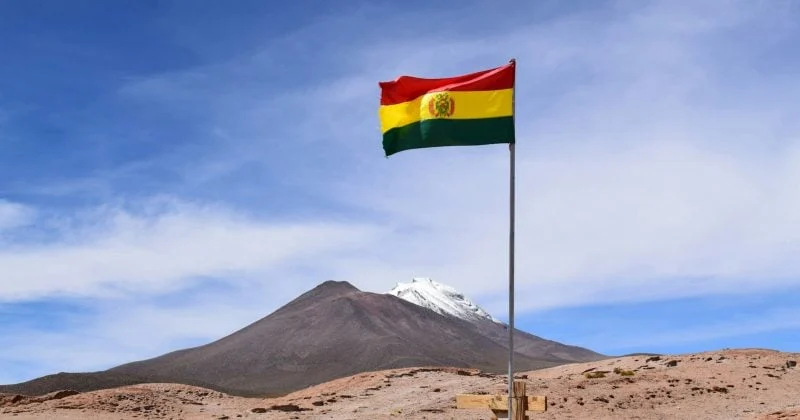
The Bolivian government has officially begun evaluating the formal integration of Tether (USDT) into the nation’s domestic payment system, marking a significant escalation in the country’s pivot toward digital assets. Economy and Public Finance Minister José Gabriel Espinoza recently confirmed that the administration is studying the technical and regulatory requirements necessary to allow the stablecoin to function as a recognized medium of exchange. This proposal would place USDT, which currently commands a market capitalization exceeding $184 billion, on a path toward shared status with the US dollar and the national currency, the boliviano. According to reports first surfaced by the national news outlet EL DEBER, the initiative represents a strategic response to the ongoing foreign currency liquidity crisis and a broader effort to modernize the Andean nation’s financial architecture.
The move comes at a critical juncture for Bolivia, which has faced mounting economic pressure characterized by dwindling foreign exchange reserves and a heightened demand for US dollars among both private citizens and commercial enterprises. By integrating a dollar-pegged stablecoin like USDT into the formal economy, the government aims to provide a digital alternative that maintains parity with the greenback while bypassing the logistical hurdles associated with physical currency shortages. Minister Espinoza characterized this initiative as the logical progression of Bolivia’s digital asset policy, which underwent a radical transformation earlier in 2024 when the long-standing prohibition on cryptocurrency transactions was officially rescinded.
The Evolution of Bolivia’s Cryptocurrency Policy
To understand the magnitude of this proposal, one must look at the rapid shift in the Bolivian government’s stance toward decentralized finance. For nearly a decade, Bolivia maintained one of the strictest anti-crypto stances in South America. In 2014, the Central Bank of Bolivia (BCB) issued Board Resolution 044/2014, which explicitly prohibited the use of any currency not issued or regulated by the state. This ban was reinforced in 2020, with authorities citing the need to protect the public from fraud and the inherent volatility of the crypto market.
However, the economic realities of 2023 and 2024 forced a reevaluation. As the country’s natural gas exports—traditionally the primary source of foreign revenue—declined, the Central Bank’s reserves plummeted. This led to a "dollar crunch," where businesses found it increasingly difficult to settle international invoices, and citizens struggled to access foreign currency for travel or savings. In June 2024, the BCB, in coordination with the Financial System Supervisory Authority (ASFI) and the Financial Investigations Unit (UIF), lifted the ban on crypto-asset transactions.
Minister Espinoza noted that while the 2024 decision decriminalized the use of digital assets, it did not provide a comprehensive framework for their use in everyday commerce. The current proposal to integrate USDT into the national payment system is intended to bridge that gap. The goal is to move beyond mere "permission" and toward "active integration," where digital assets are treated as legitimate tools for economic stability.
Economic Drivers and the Role of USDT in Trade
The selection of Tether (USDT) as the primary candidate for integration is not accidental. Unlike Bitcoin or Ethereum, which are subject to high price volatility, USDT is a stablecoin designed to maintain a 1:1 peg with the US dollar. In the eyes of the Bolivian government, USDT acts as a "digital dollar" that can be moved across borders instantly and at a low cost.
Data from the region indicates that stablecoin adoption in Bolivia has already surged organically. Since the lifting of the ban in mid-2024, an increasing number of Bolivian importers have turned to USDT to pay suppliers in China and neighboring Brazil. This trend is particularly evident in the energy sector; the government has acknowledged that some fuel imports, essential for maintaining the country’s transport and agricultural sectors, have been facilitated through digital asset channels when traditional dollar lines were unavailable.
Furthermore, remittances play a vital role in the Bolivian economy. Thousands of Bolivian families rely on funds sent from relatives working in Spain, the United States, and Argentina. Traditional wire transfers are often slow and subject to high fees and unfavorable exchange rates. Integrating USDT into the national payment system would allow these families to receive funds directly into digital wallets, which could then be used at local merchants or converted into bolivianos through regulated local exchanges.
The Banking Sector and Institutional Integration
A cornerstone of the proposal, supported by President Rodrigo Paz Pereira, involves the full participation of the formal banking sector. Minister Espinoza has outlined a vision where Bolivian banks are no longer sidelined from the digital economy but are instead the primary facilitators of it. Under the proposed framework, traditional financial institutions would be authorized to offer a suite of crypto-based services, including:
- USDT Savings Accounts: Allowing citizens to hold their wealth in a dollar-pegged asset without needing physical cash.
- Crypto-Linked Credit and Debit Cards: Enabling consumers to spend their USDT balances at any point-of-sale terminal across the country.
- Commercial Lending: Providing businesses with loans denominated in stablecoins to fund international trade and expansion.
This institutional approach is designed to provide a layer of consumer protection that is often missing in the "grey market" P2P (peer-to-peer) exchanges that currently dominate the Bolivian crypto landscape. By bringing these transactions into the regulated banking system, the government hopes to increase transparency and ensure that digital asset activities contribute to the national tax base.
Regulatory Challenges and International Compliance
Despite the ambitious nature of the plan, the Bolivian government faces significant hurdles, particularly regarding international financial standards. Bolivia is currently on the "Grey List" of the Financial Action Task Force (FATF), a global watchdog for money laundering and terrorist financing. Being on this list means the country is under increased monitoring and must demonstrate that its financial systems are not being exploited for illicit activities.
The implementation of a national USDT payment system will depend heavily on the government’s ability to establish a "comprehensive regulatory framework" that satisfies FATF requirements. This includes the implementation of rigorous Know Your Customer (KYC) and Anti-Money Laundering (AML) protocols for all digital asset service providers. Minister Espinoza emphasized that the government is working closely with international consultants to ensure that the integration of USDT does not jeopardize Bolivia’s standing in the global financial community.
Critics and some international observers have raised concerns that the rapid adoption of stablecoins could lead to "dollarization by the back door," potentially undermining the Central Bank’s ability to conduct monetary policy. However, proponents argue that in an environment where the local currency is already under pressure, providing a regulated digital alternative is preferable to a chaotic, unregulated shift toward the black market.
Market Impact and Regional Context
Bolivia’s move is part of a broader trend across Latin America, where economic instability has turned the region into a global laboratory for cryptocurrency adoption. Countries like Argentina and Venezuela have seen some of the highest rates of stablecoin usage in the world as citizens seek to hedge against triple-digit inflation. Brazil, meanwhile, has taken a lead in regulation, with its Central Bank working on a Digital Real (DREX) and implementing clear rules for crypto exchanges.
By integrating USDT, Bolivia is attempting to leapfrog the traditional developmental stages of digital finance. If successful, the country could become a model for other nations facing similar foreign currency constraints. The market capitalization of Tether, which the prompt identifies as exceeding $184 billion (reflecting the total ecosystem liquidity and usage volume), provides the necessary depth to support the trade requirements of a national economy like Bolivia’s.
Timeline and Next Steps
While the proposal is currently in the evaluation phase, the timeline for implementation is expected to be aggressive given the urgency of the country’s foreign exchange needs. The Ministry of Economy and Public Finance is expected to present a draft of the regulatory framework to the legislative assembly in the coming months.
The first phase of the rollout will likely involve pilot programs with select commercial banks, focusing on international trade settlements for small and medium-sized enterprises (SMEs). Following this, the program would expand to include retail payments and personal savings accounts.
In conclusion, the Bolivian government’s exploration of Tether integration represents a pragmatic, if unconventional, approach to modernizing its economy. By embracing USDT, Bolivia is not merely adopting a new technology but is attempting to re-engineer its relationship with the global financial system. The success of this initiative will depend on the delicate balance between fostering innovation and maintaining the rigorous oversight required by international regulators. Should it succeed, the integration of USDT could provide the Bolivian economy with the liquidity and stability it needs to navigate its current fiscal challenges, potentially setting a precedent for the role of stablecoins in national sovereign finance.
