
The digital asset landscape is currently dominated by fervent discussions surrounding Non-Fungible Tokens (NFTs). While initially heralded as a revolutionary technology for digital ownership, a growing chorus of skepticism and concern has emerged, prompting the critical question: "Why are NFTs bad?" This article delves into the multifaceted issues plaguing the NFT market, from technical vulnerabilities and market manipulation to significant legal ambiguities and the stark reality of unsellable digital assets. By dissecting these challenges, we aim to provide a comprehensive understanding of the drawbacks and risks associated with NFTs.
Understanding NFTs: A Technological Innovation with Emerging Flaws
At their core, NFTs are unique digital tokens secured on a blockchain, representing ownership of a specific digital or physical asset. Unlike fungible cryptocurrencies like Bitcoin, where each unit is interchangeable, NFTs are distinct, allowing for verifiable proof of ownership of one-of-a-kind items such as digital art, music, collectibles, and even virtual real estate. The underlying blockchain technology provides a transparent and immutable ledger, theoretically ensuring authenticity and preventing duplication. This innovation promised to empower creators by enabling them to monetize their digital work directly and offering collectors verifiable ownership of unique digital items.
However, the rapid proliferation of NFTs has also illuminated several inherent weaknesses and potential pitfalls. The very technology that underpins NFTs, while innovative, also presents challenges related to data storage, long-term accessibility, and the potential for technical failures. Furthermore, the speculative nature of the NFT market has attracted significant attention, leading to concerns about market manipulation and the creation of unsustainable speculative bubbles.
The Core Concerns: Why Are NFTs Bad?
The question "Why are NFTs bad?" is not a simple dismissal of the technology but rather an urgent inquiry into the significant issues that have arisen during their widespread adoption. These concerns span technical, economic, legal, and environmental domains.
Technical Challenges and Longevity Concerns
The longevity and dependability of NFTs are often called into question due to several technical challenges inherent in their current implementation:
- Data Storage and Decentralization: While the token itself resides on the blockchain, the actual digital asset (e.g., an image file, a video) is often stored off-chain, typically on decentralized storage solutions like IPFS or centralized servers. This separation creates a vulnerability: if the off-chain storage fails or the link to the asset breaks, the NFT may become a pointer to nothing, rendering it effectively worthless. Early NFT projects have already experienced instances where the linked digital content disappeared.
- Smart Contract Vulnerabilities: NFTs are governed by smart contracts, which are self-executing code on the blockchain. Bugs or security flaws within these smart contracts can lead to exploits, allowing for the theft of NFTs or the manipulation of their associated metadata. The immutability of blockchains means that once a flawed contract is deployed, rectifying the issue can be extremely difficult and costly, often requiring community consensus or the creation of new, successor contracts.
- Platform Dependency and Interoperability: The NFT ecosystem relies heavily on various marketplaces and platforms for creation, trading, and display. If a particular marketplace ceases to operate or changes its policies, the NFTs listed or managed on that platform can be affected. Furthermore, the lack of universal interoperability between different blockchain networks and NFT standards can limit the fluidity and accessibility of these digital assets across the broader digital landscape.
Market Manipulation and Speculative Bubbles
The NFT market has been characterized by extreme volatility and has become a fertile ground for speculative trading, raising serious concerns about its integrity and fairness:
- Wash Trading: This illicit practice involves an individual or group simultaneously buying and selling an NFT to artificially inflate its price and trading volume. This creates a false impression of demand and value, luring unsuspecting investors into purchasing overvalued assets. Investigations have revealed significant instances of wash trading across various NFT marketplaces.
- Pump-and-Dump Schemes: Similar to traditional financial markets, NFT projects can be targeted by schemes where promoters artificially inflate the price of an NFT (the "pump") before selling their own holdings at a profit, causing the price to crash (the "dump"), leaving later investors with substantial losses.
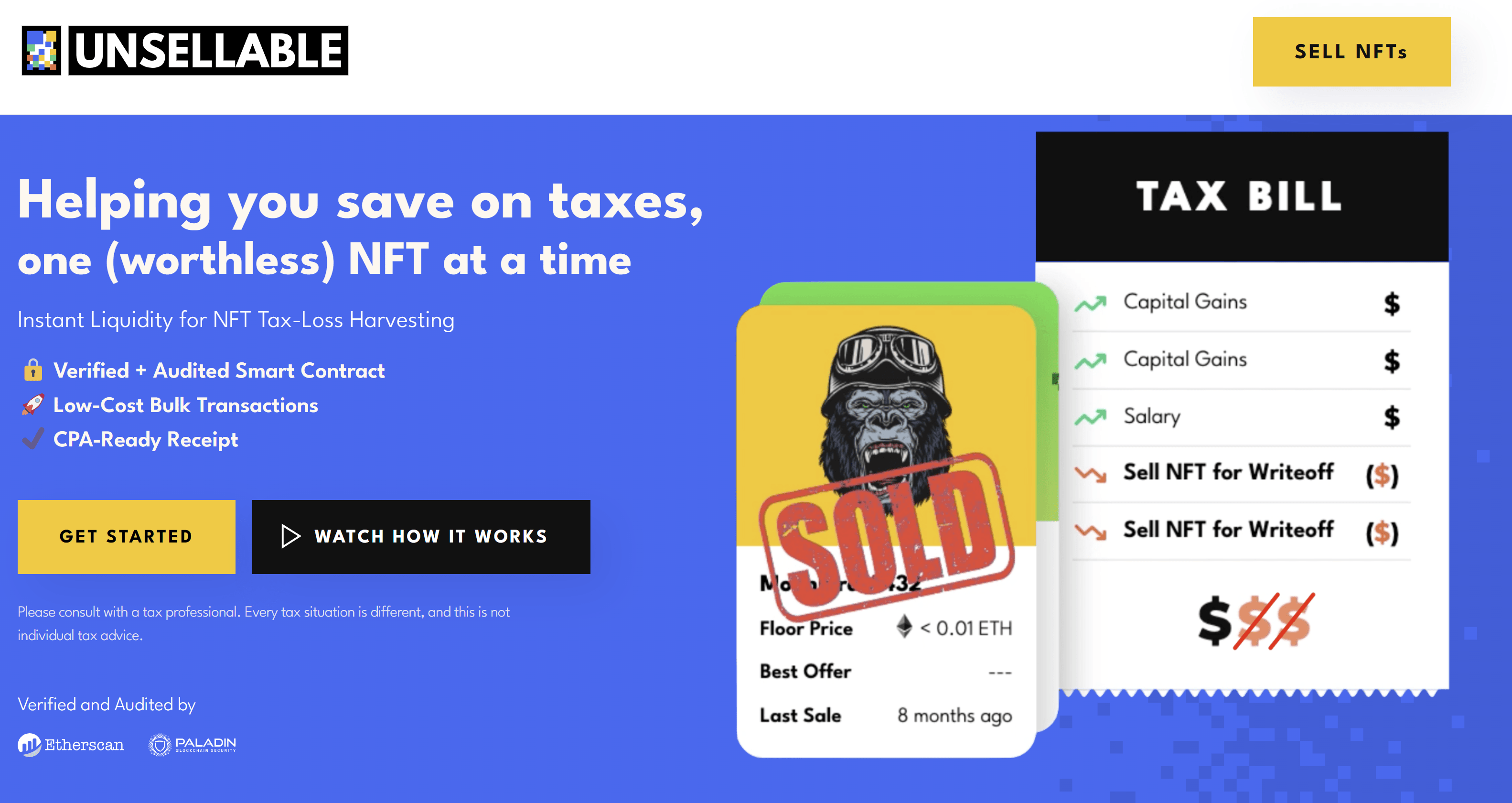
- Illiquidity and Unsellable NFTs: While some NFTs have fetched astronomical prices, a vast majority struggle to find buyers. This illiquidity means that many NFT holders are unable to sell their assets at their desired price, or even at all. This issue is exacerbated by market saturation, where the sheer volume of NFTs being minted far outstrips genuine demand, leading to a glut of digital assets with little to no market value. The phenomenon of "unsellable NFTs" has become a significant concern, with some platforms emerging specifically to purchase these assets for tax write-off purposes.
- Exaggerated Valuations: The perceived value of many NFTs is driven by hype, celebrity endorsements, and speculative fervor rather than intrinsic utility or artistic merit. This can lead to highly inflated valuations that are detached from any realistic assessment of an asset’s worth, creating a precarious market susceptible to sudden and dramatic price corrections.
Legal Ambiguity and Regulatory Uncertainty
The nascent nature of NFTs means that the legal framework surrounding them is still very much in development, leading to a complex and often uncertain environment for creators, collectors, and investors.

- Unclear Copyright and Ownership Rights: A fundamental legal challenge is the distinction between owning an NFT and owning the copyright to the underlying digital asset. Purchasing an NFT typically grants ownership of the token, not necessarily the intellectual property rights associated with the artwork or content it represents. This can lead to confusion and disputes over what rights a buyer truly possesses, particularly concerning reproduction, distribution, and commercial use. For example, the artist of an NFT may still retain copyright and could potentially license the same artwork to multiple NFT buyers or for other uses.
- Varying International Laws: The legal status and regulation of NFTs differ significantly across jurisdictions. What might be permissible or recognized in one country could be viewed differently in another. This global disparity creates challenges for cross-border transactions and complicates efforts to establish consistent legal protections for NFT participants worldwide.
- Smart Contract Legal Status: The legal enforceability and interpretation of smart contracts remain a contentious issue. While designed to be immutable, disputes can arise if a smart contract contains errors, is deemed unfair, or conflicts with existing statutory laws. The legal standing of these self-executing code agreements is still being tested in courts.
- Regulatory Classification: Governments and financial regulators are grappling with how to classify NFTs. Depending on their characteristics, some NFTs might be deemed securities, commodities, or a new asset class altogether. For instance, the U.S. Securities and Exchange Commission (SEC) has taken action against projects that issued NFTs deemed to be unregistered securities, such as the case involving Stoner Cats 2 in 2023, highlighting the potential for NFTs to fall under existing financial regulations. This lack of clear classification creates uncertainty regarding compliance requirements, investor protection, and taxation.
- Liability and Consumer Protection: The decentralized and often pseudonymous nature of NFT transactions can make it difficult to assign liability in cases of fraud, theft, or disputes. Consumer protection mechanisms that are robust in traditional markets are often less developed or accessible in the NFT space, leaving buyers with limited recourse when things go wrong.
Environmental Impact
A significant criticism leveled against NFTs, particularly those minted on proof-of-work blockchains like Ethereum (prior to its transition to proof-of-stake), is their substantial environmental footprint. The energy-intensive computational processes required to validate transactions and secure the network consume vast amounts of electricity, contributing to carbon emissions. While the shift to proof-of-stake mechanisms by some blockchains aims to mitigate this concern, the environmental impact remains a contentious point of discussion and a reason for criticism.
The Darker Side: Unsellable NFTs and Market Risks
The allure of lucrative profits in the NFT market often overshadows the stark reality for many participants: the growing problem of unsellable NFTs. This phenomenon is a direct consequence of several contributing factors:
- Market Saturation: The ease with which new NFTs can be created has led to an overwhelming supply of digital assets, many of which lack genuine demand or unique value propositions. This oversupply creates intense competition for buyer attention and capital.
- Fluctuating Market Trends: The NFT market is highly susceptible to trends and hype cycles. What is popular today may be forgotten tomorrow, leaving holders of previously sought-after NFTs with assets that have lost significant value and are difficult to offload.
- Lack of Intrinsic Value: For many NFTs, their value is purely speculative, derived from perceived scarcity or association with a popular project or personality, rather than any inherent utility or tangible benefit. When the hype subsides, the perceived value often evaporates.
- Low-Quality or Derivative Content: A significant portion of NFTs are created with minimal artistic effort or are derivative works, failing to offer anything novel or compelling to collectors. These NFTs are unlikely to attract sustained interest or command significant resale value.
Platforms like Unsellable, which specialize in purchasing low-value NFTs for tax write-off purposes, highlight the prevalence of this issue. This practice, known as tax-loss harvesting, underscores the extent to which some NFTs are considered a financial burden rather than an asset.
FAQ: Addressing Key Concerns About NFTs
Why are NFTs considered bad by some critics?
Critics often point to the environmental impact of proof-of-work blockchains used for some NFTs, the high volatility and speculative nature of the market, the potential for market manipulation and fraud, and the significant legal and technical uncertainties surrounding ownership and long-term accessibility.
What are the main legal challenges investors should be aware of when dealing with NFTs?
Investors must understand the distinction between NFT ownership and copyright, the evolving regulatory landscape across different jurisdictions, the potential for smart contract vulnerabilities, and the limited consumer protection mechanisms available. The classification of NFTs under securities laws is also a critical consideration.
Are NFTs inherently unsellable?
No, not all NFTs are unsellable. However, a substantial portion of NFTs face challenges in finding buyers due to market saturation, fluctuating demand, and a lack of perceived value. The speculative nature of the market means that the salability and value of any given NFT can change rapidly.
Are NFTs inherently bad, or is it the way they are used?
NFTs are a technology, and like many technologies, their impact is largely determined by how they are implemented and utilized. While NFTs offer potential benefits for creators and collectors, the current ecosystem is plagued by issues such as speculative excess, environmental concerns, and legal ambiguities that contribute to negative perceptions.
What are the primary problems associated with NFTs?
The core problems include environmental concerns (especially with proof-of-work blockchains), market instability and volatility, accessibility challenges for mainstream users, and significant legal and regulatory ambiguities regarding ownership, copyright, and financial compliance.
Are NFTs legal?
NFTs themselves are generally legal to create and trade. However, their legality is complex and depends on the specific jurisdiction and how they are structured. Issues arise concerning intellectual property rights, securities regulations, and anti-money laundering laws, which can impact the legal standing and compliance requirements of NFT transactions.
Conclusion: A Technology Under Scrutiny
The question "Why are NFTs bad?" reflects a growing awareness of the significant challenges and risks associated with this burgeoning technology. While NFTs represent an innovative step in digital ownership, their current implementation is marred by technical vulnerabilities, a highly speculative and manipulated market, substantial legal ambiguities, and environmental concerns. The prevalence of unsellable NFTs and the inherent risks involved necessitate a cautious and informed approach for anyone considering engaging with this asset class. As the NFT landscape continues to evolve, addressing these multifaceted issues will be crucial for its sustainable and responsible development. The future of NFTs hinges on greater transparency, robust legal frameworks, improved technical reliability, and a shift towards sustainable and value-driven applications rather than purely speculative ventures.
