
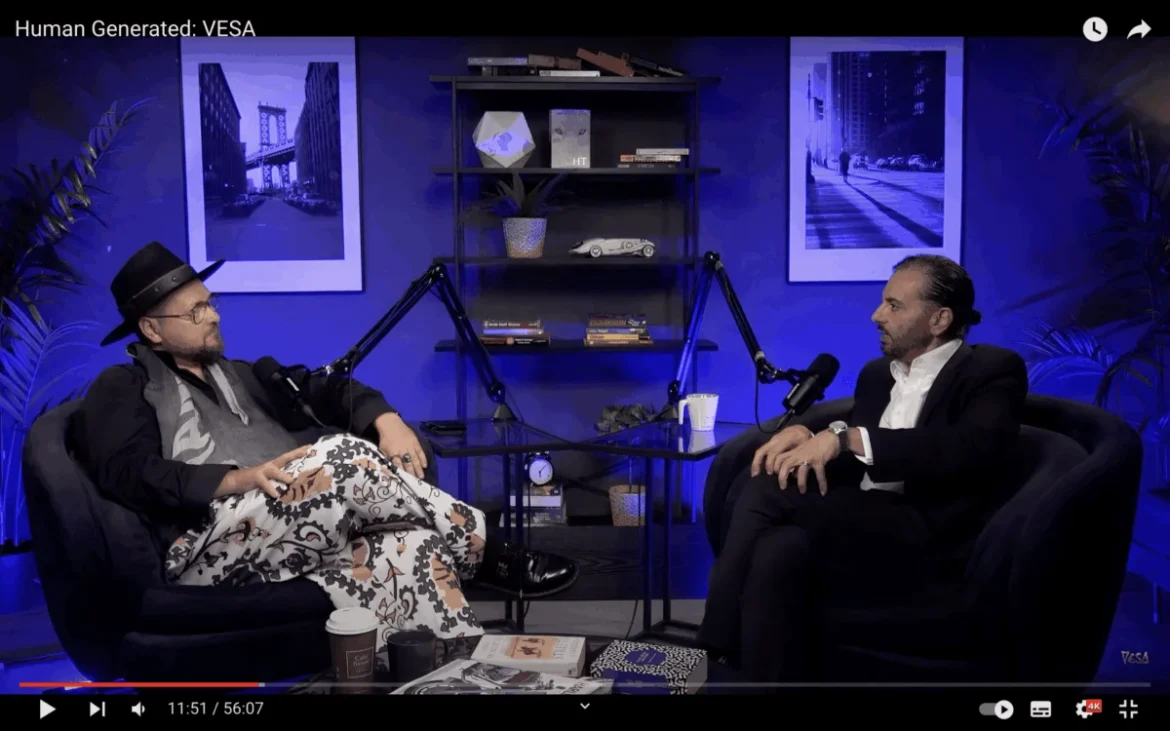
The intersection of classical artistic creation, modern Web3 technologies, and ancient spiritual philosophy has increasingly become a focal point for contemporary creators navigating the digital age. This synthesis was recently examined in-depth when renowned artist VESA appeared as a featured guest on the Human Generated podcast, hosted by Omid Honari. The conversation between the two creatives offers a comprehensive look at how emerging mediums—such as non-fungible tokens (NFTs), virtual reality, and the metaverse—are reshaping the global art landscape. Recorded following a series of keynote addresses at the prestigious Mohammed Bin Rashid Library in Dubai, the dialogue transcended conventional artistic discourse, delving into the metaphysical origins of creativity and the systemic barriers present in modern institutional art education.

Background and Context of the Encounter
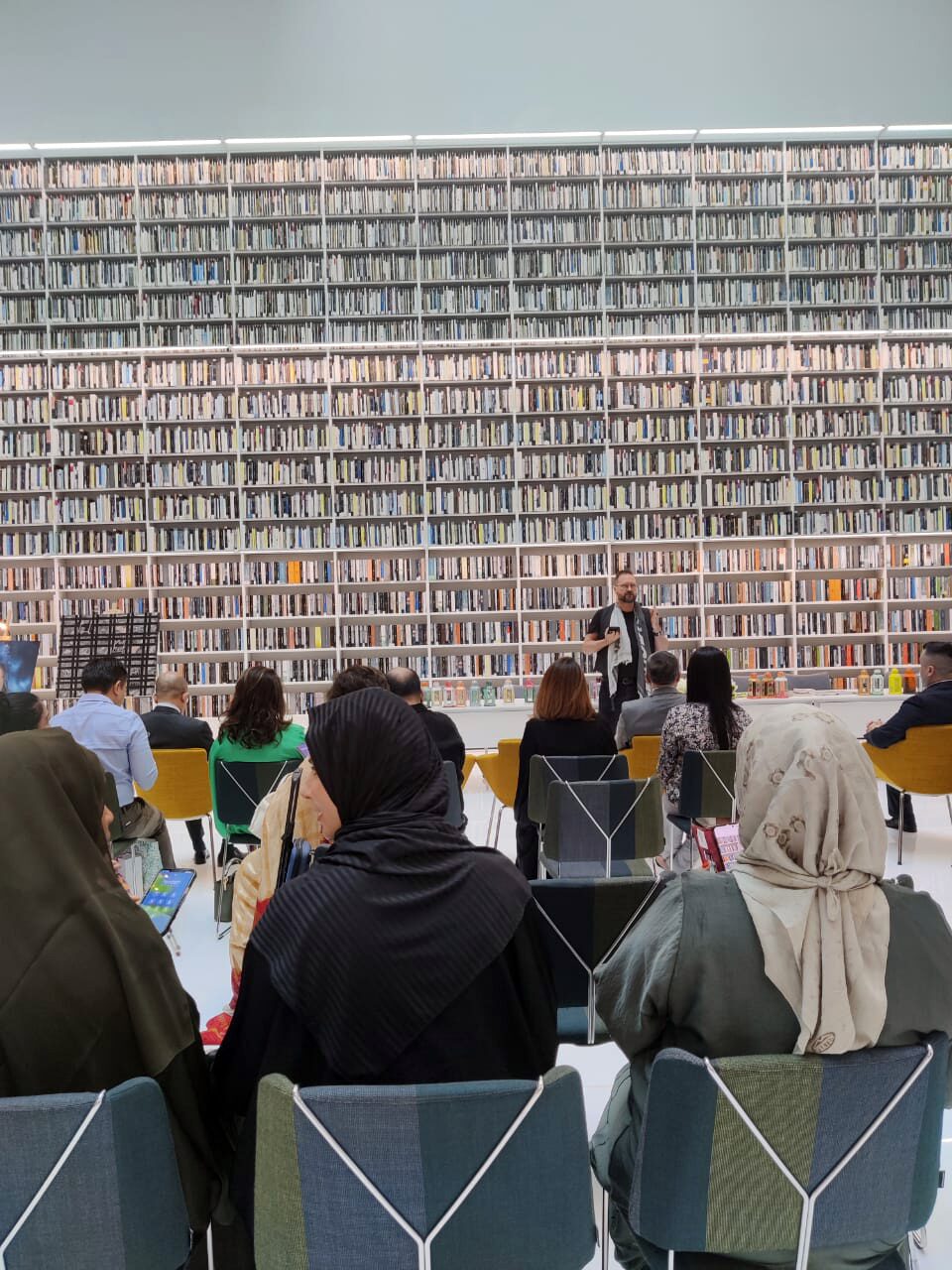
The intellectual exchange between VESA and Honari traces its roots to early 2023 during a speaking engagement at the Mohammed Bin Rashid Library, a major cultural landmark in the United Arab Emirates designed to foster a resurgence of publishing, reading, and cultural enrichment in the region. Both speakers found common ground in their respective keynote presentations, which independently gravitated toward the intersection of artistic expression, human philosophy, and spiritual consciousness.

This initial meeting culminated in a late-spring recording session for the Human Generated podcast, set against the backdrop of Dubai’s extreme seasonal climate transition. For VESA, a 44-year-old native of Finland who spent formative years living and working in the United Kingdom, the experience highlighted a personal and geographical shift away from Northern European climates. The dialogue initially touched upon the psychological weight of environments, with VESA noting the gradual dissolution of what he describes as "cold trauma" accumulated from decades of navigating harsh winters, contrasted against Honari’s philosophical insights on human adaptability to climatic extremes.
Deconstructing the Rift Between Tradition and Web3 Technology
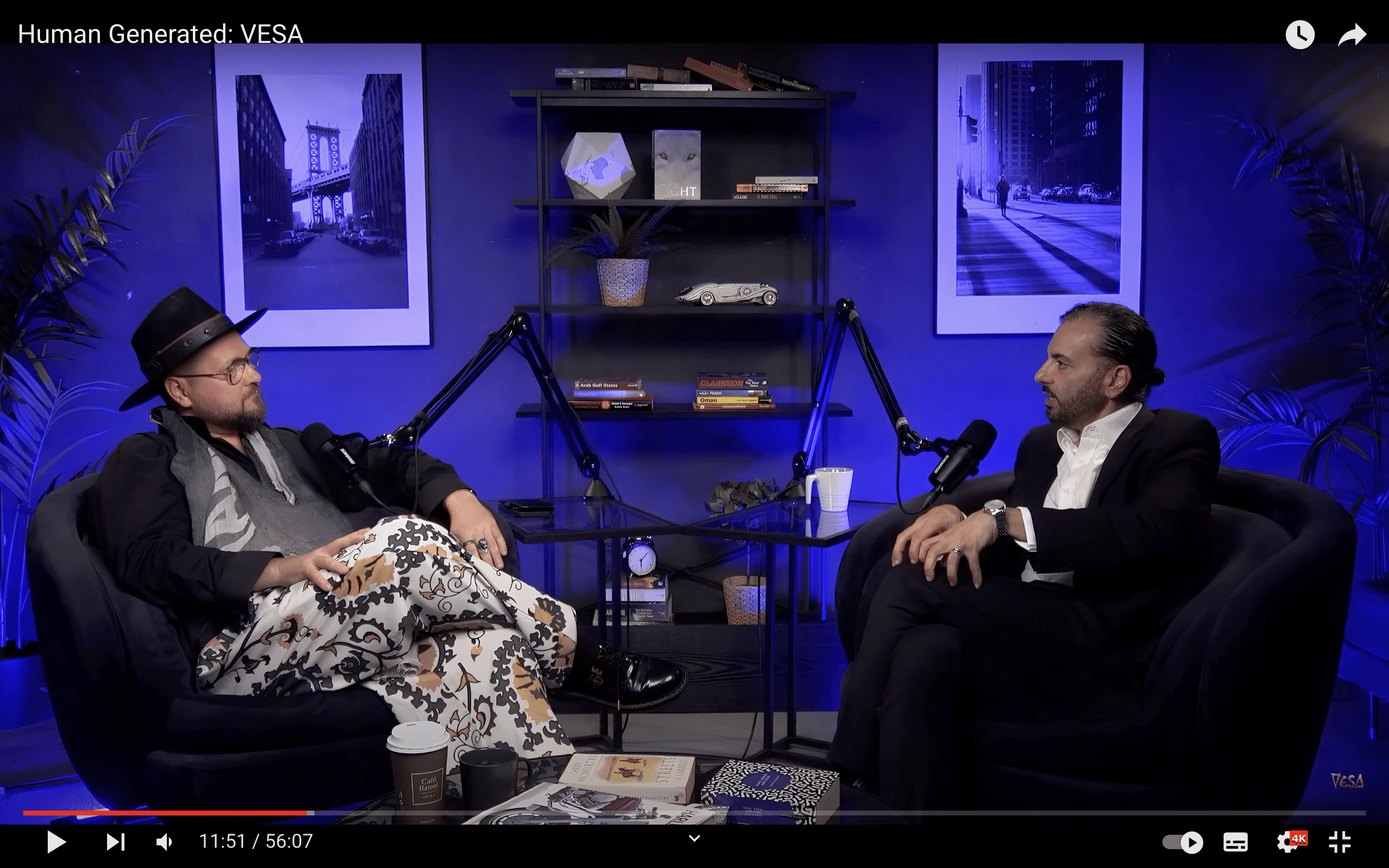
A central theme of the podcast centers on the friction between traditional art institutions and the rapid integration of decentralized technologies like blockchain, NFTs, and metaverse environments. Honari presented a prevailing critique within the creative sector: that the commercialization and digital nature of Web3 initiatives inherently conflict with the soul of traditional artistic creation.
Challenging this perspective, VESA drew upon Ken Wilber’s Integral Theory to frame his worldview. Integral Theory attempts to place individual human contributions, philosophies, and historical frameworks into a functional, unified whole rather than viewing disparate developments as mutually exclusive. VESA argued that conventional academic institutions often fail to provide a holistic framework, frequently limiting art history to the post-modern era while neglecting the deep-seated anthropological origins of human creativity, such as prehistoric cave paintings and body art.
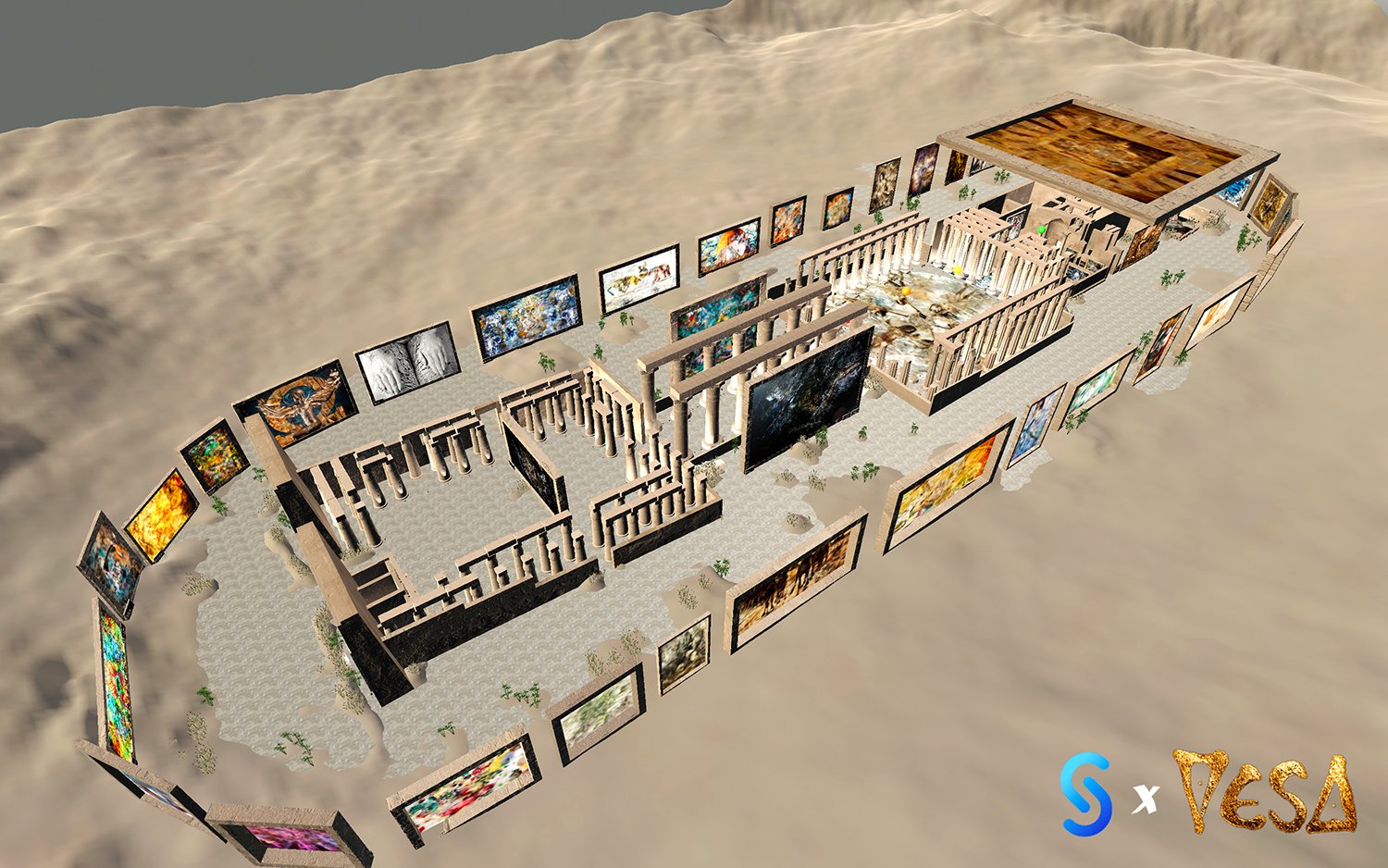
According to this analytical viewpoint, emerging technologies should not be interpreted as a disruptive anomaly, but rather as advanced tools capable of dismantling entrenched gatekeeping mechanisms that have historically dictated artistic validation. VESA pointed to his LUXOR-inspired art gallery project—a digital exhibition space integrated within the SuperWorld metaverse—as a practical application of technology breaking down physical barriers to entry while simultaneously honoring the primal roots of visual communication.
Bridging the Physical and Digital Realms: Bodypainting as a Genesis
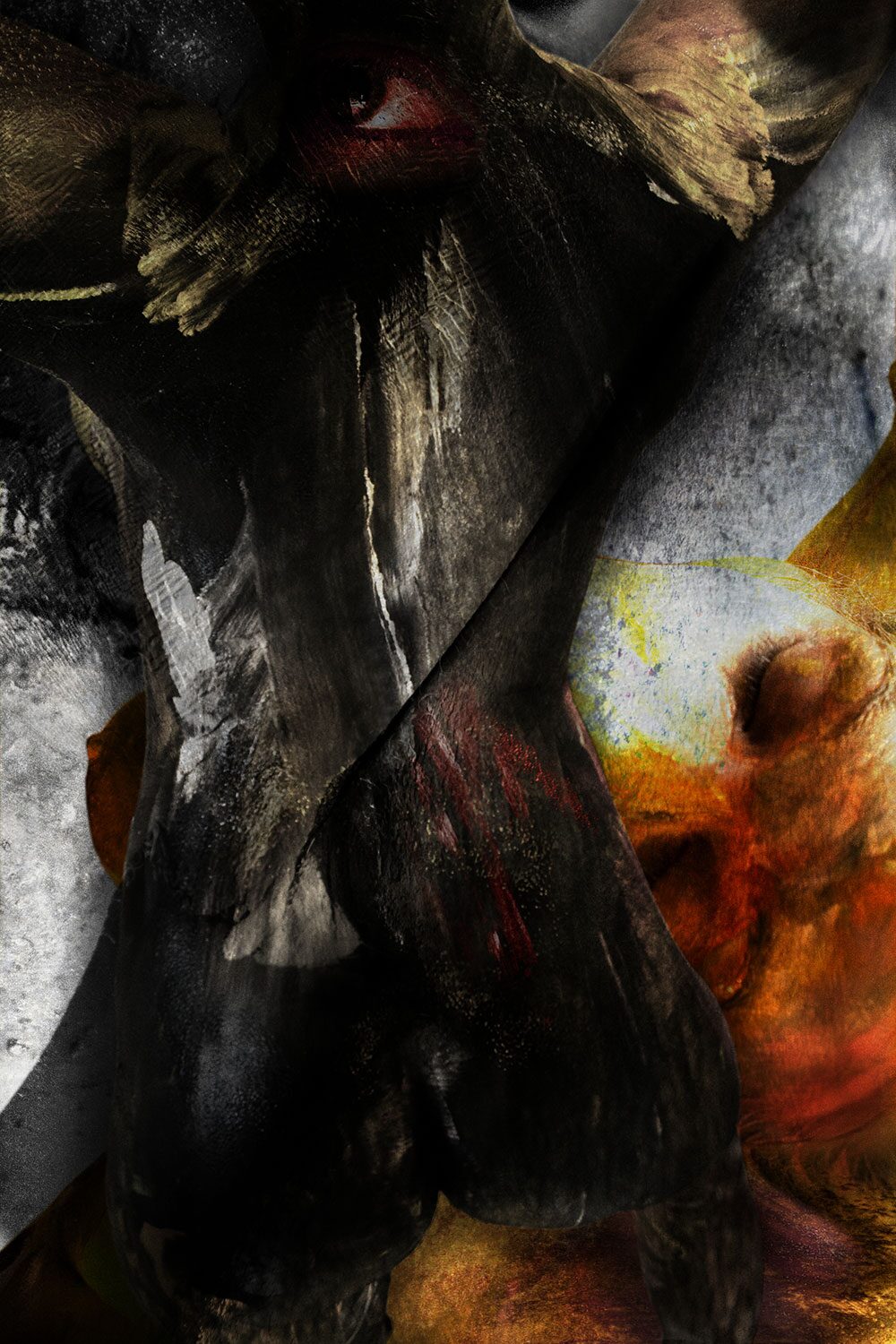
The conversation shifted toward the technical and philosophical bridge connecting tactile, physical mediums with the intangible digital architecture of the modern web. VESA recounted his transition into digital mediums, noting that his artistic methodology has relied on digital integration since 2008. His early work, including the 2008 photography and bodypainting collage titled Escapist, predated the widespread adoption of blockchain-based verification systems.
During this period, traditional galleries and institutions frequently rejected his digital originals due to the absence of a physical oil-on-canvas format. The advent of blockchain technology, VESA argued, resolved this structural limitation by introducing true digital scarcity and verifiable ownership. By establishing cryptographically secure provenance, digital assets achieved a level of verifiable uniqueness previously reserved exclusively for physical masterpieces.
Addressing criticisms regarding the speculative nature of certain high-profile NFT projects—such as profile-picture collections centered on digital avatars—VESA distinguished between speculative digital collectibles and digitized fine art. While acknowledging the marketing ingenuity and utility-driven nature of certain blockchain communities, he maintained that such phenomena should be evaluated separately from formal artistic endeavors. Furthermore, he criticized state-funded grant models in regions like Finland, arguing that institutional funding often prioritizes politically compliant narratives over genuine creative exploration, effectively replacing academic freedom with ideological conformity.
Chronology and Evolution of an Artist
Tracing the trajectory of his creative origins, VESA detailed the foundational moments that shaped his artistic philosophy. Raised in Finland, his early exposure to creative expression was heavily influenced by the rhythmic impact of African percussion and a near-death drowning experience at the age of six. He characterized this traumatic childhood event as a pivotal encounter with a state of ultimate connection, suggesting that the human brain functions less as a creator of consciousness and more as a receiver of a broader, universal frequency.
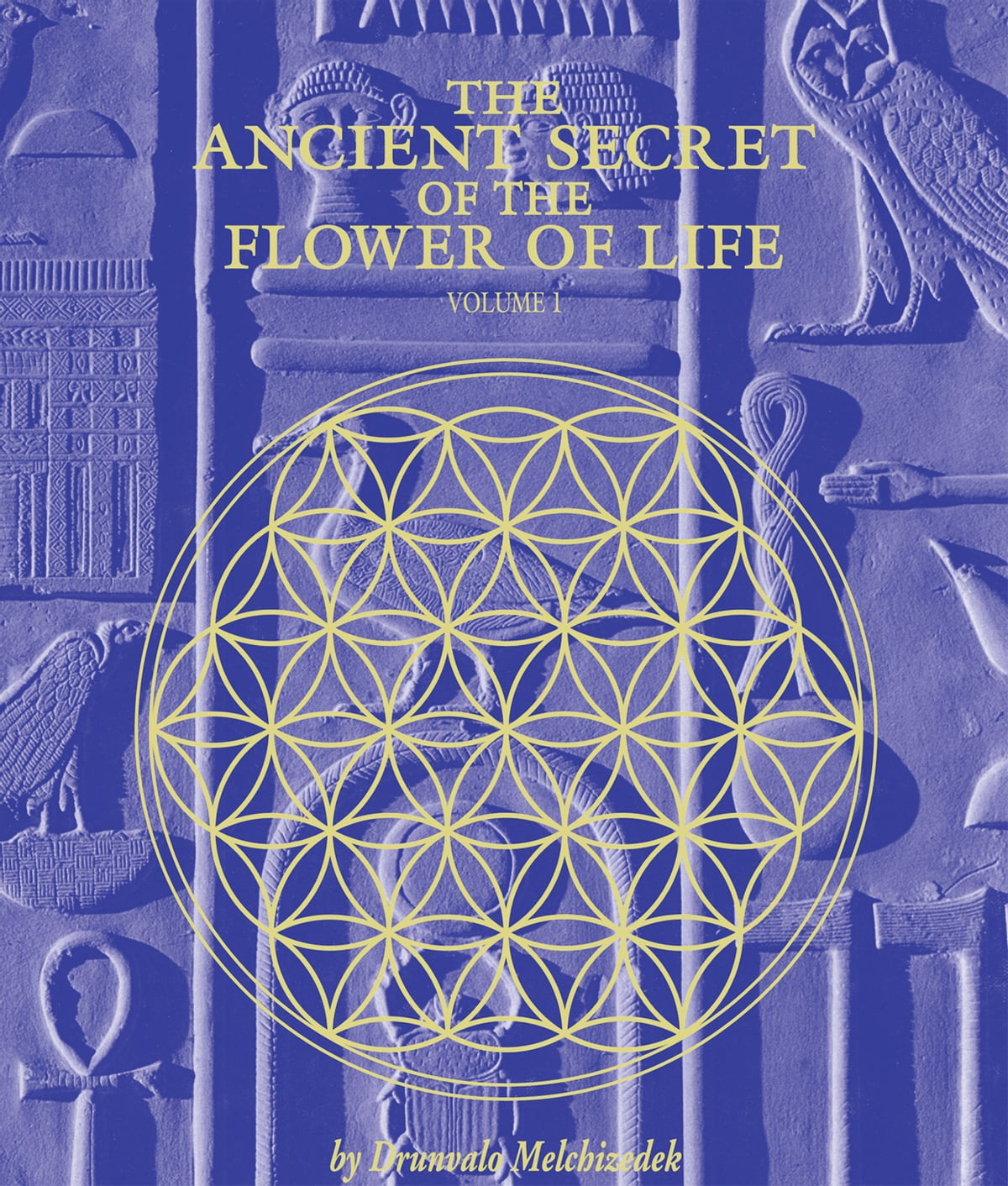
This philosophical outlook aligns with broader historical and literary motifs, such as Rumi’s poetic imagery of the reed pipe longing to return to its source, and Ken Wilber’s explorations of consciousness. VESA also cited the influence of ancient esoteric texts, including The Ancient Secret of the Flower of Life, which he studied during documentary-making travels through Egypt and Mexico in 2012. These experiences reinforced his belief that artistic creation is fundamentally an act of reconnection with a shared, divine origin point.
Expansion Into Inanimate Canvases and the Metaverse
Expanding his methodology beyond human subjects, VESA discussed his recent ventures into painting inanimate objects, such as automobiles. Citing a project involving a Tesla vehicle in Dubai—which received both physical artwork and a digital twin developed by the spatial web company Zoan—the artist explored the extension of his bodypainting techniques onto mechanical surfaces. He emphasized that while the canvases have shifted from human skin to industrial machinery, the underlying intent remains anchored in celebrating form, light, and structured design for human appreciation, all while maintaining cultural sensitivity regarding figurative representation.
Implications for the Future of Creative Industries
The dialogue between VESA and Honari underscores a broader transitional phase within the global creative economy. As institutional gatekeepers face increasing pressure from decentralized platforms, artists are gaining unprecedented autonomy over the distribution, monetization, and authentication of their work. However, this shift also presents significant educational challenges. As traditional academies struggle to adapt to the speed of technological innovation, the responsibility falls upon independent creators, digital platforms, and cross-disciplinary forums to cultivate public literacy regarding the distinction between speculative digital assets and substantive fine art.

Ultimately, the Human Generated podcast conversation serves as a case study in reconciling ancient philosophical traditions with cutting-edge technological frameworks. By viewing blockchain, virtual reality, and the metaverse not as threats to human creativity, but as modern extensions of primordial expression, artists like VESA are charting a new course for the future of global culture.
