MicroStrategy, the enterprise software company turned Bitcoin development firm, is currently navigating a high-stakes debate regarding its capital allocation strategy. As the company’s cash reserves approach the $1 billion mark, Chairman Michael Saylor has been forced to defend the firm’s recent equity issuance and Bitcoin acquisition tactics. This financial maneuvering has sparked a public disagreement with industry analysts over the metrics used to determine shareholder value, specifically regarding whether recent moves have been accretive or dilutive to existing investors.
The controversy centers on the interpretation of "BTC Yield," a metric pioneered by MicroStrategy to measure the percentage change in Bitcoin holdings relative to the number of outstanding shares. While the company views this as a primary indicator of its success in accumulating digital assets for its shareholders, critics argue that the methodology masks the impact of share dilution.
The Anatomy of the Dispute
The contention began when Bitcoin analyst Matthew Kratter challenged the company’s recent capital-raising activities on social media platform X. Kratter argued that MicroStrategy’s internal data revealed a scenario where shareholders were left in a weaker position following the most recent share sales. His analysis relied on a comparison between the growth of the company’s total Bitcoin holdings—which reached 843,706 BTC—and the expansion of its diluted share count, which climbed to 384,180.
Kratter’s thesis suggested that because the share count was increasing at a rate that outpaced the accumulation of Bitcoin on a per-share basis, the company was essentially diluting the value of existing holdings. For long-term investors, the concern is that constant share issuance to fund Bitcoin purchases may eventually reach a point of diminishing returns, where the cost of capital outweighs the benefit of adding more Bitcoin to the treasury.
Michael Saylor, known for his vocal and direct engagement with the financial community, quickly countered these claims. He clarified that BTC Yield is intended to measure Bitcoin per share in isolation and was never designed to be the sole metric for assessing total shareholder accretion. According to Saylor, the most recent transaction was undeniably accretive when considering the broader balance sheet. The deal successfully added 1,550 Bitcoin to the firm’s holdings while simultaneously securing $100 million in USD reserves. By factoring in both the asset appreciation and the liquidity buffer, Saylor maintained that the transaction created value for shareholders that a single-metric focus fails to capture.

Chronology of Recent Financial Moves
The current tension is the culmination of several weeks of rapid-fire financial decisions by the company. The chain of events, documented in regulatory filings and public announcements, highlights the complexity of MicroStrategy’s dual-pronged strategy of maintaining software operations while functioning as a Bitcoin-heavy treasury vehicle.
- June 8, 2026: MicroStrategy filed an 8-K form with the Securities and Exchange Commission (SEC), disclosing the sale of approximately 1.4 million shares of MSTR stock, generating roughly $181 million in capital.
- Early June 2026: Concurrently, internal executives engaged in the sale of approximately $15 million worth of their personal shares. The company cited pre-planned tax obligations as the reason for these divestments, though the timing drew scrutiny from market observers already sensitive to the stock’s volatility.
- Mid-June 2026: Reports surfaced that the company had sold a nominal amount of Bitcoin—approximately 32 BTC—the previous week. While statistically insignificant relative to the company’s massive holdings, the move created unease among institutional investors who view MicroStrategy as a "HODL" entity that should theoretically never sell its primary asset.
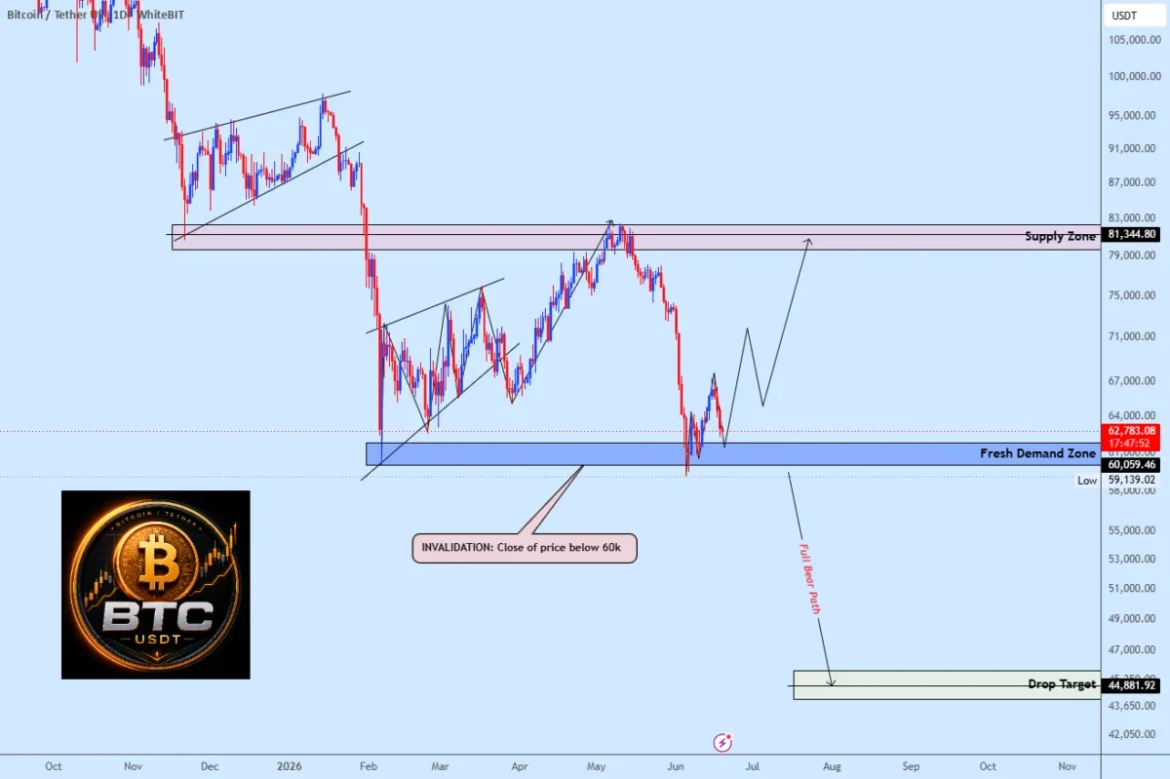
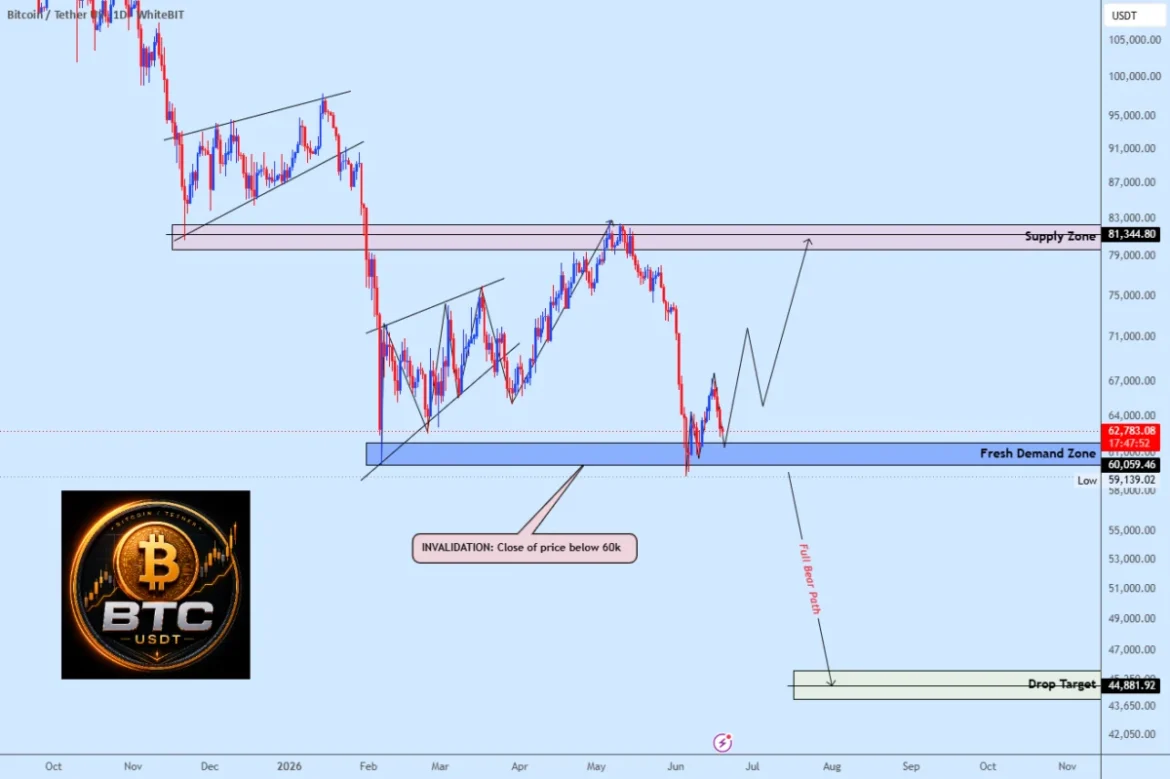
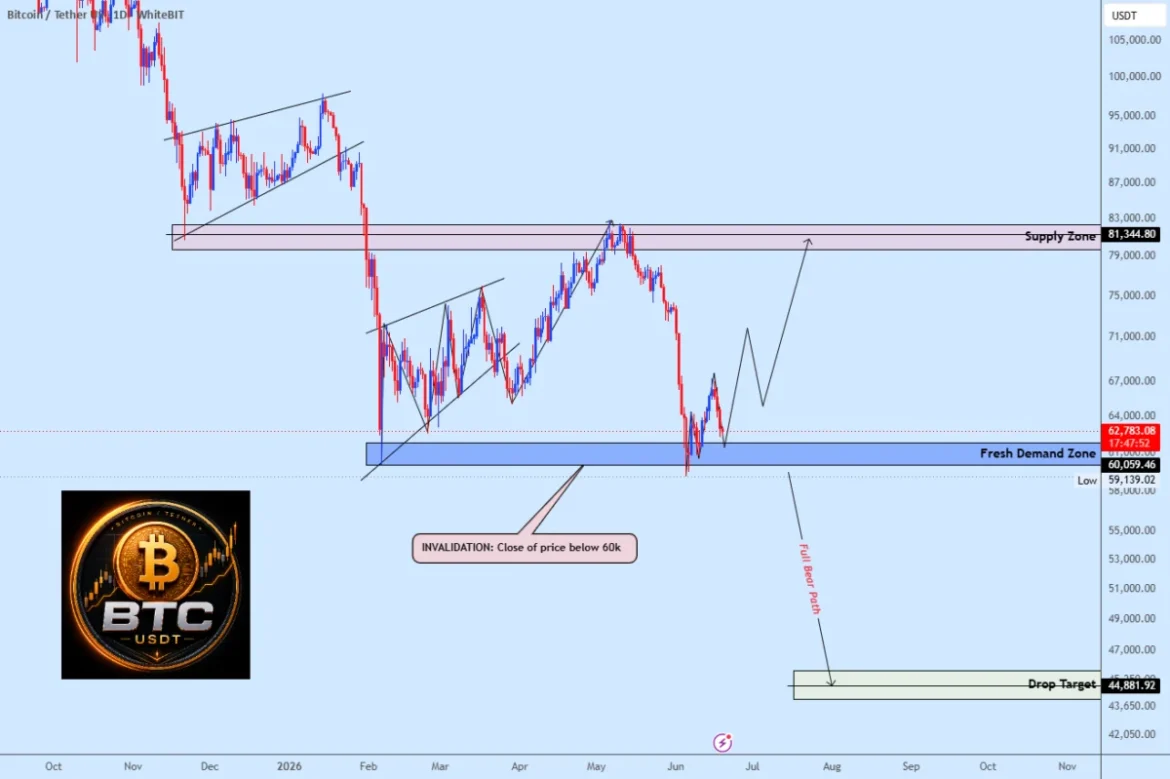
- Monday, June 15, 2026: Reasserting its primary directive, the company pivoted back to aggressive accumulation. MicroStrategy announced a fresh purchase of Bitcoin totaling $101 million, acquired at an average price of $65,332 per coin.
The Significance of the Billion-Dollar Buffer
The push to grow cash reserves to nearly $1 billion serves a strategic purpose that extends beyond the current dilution debate. In an environment where the company is increasingly reliant on equity markets to fund its Bitcoin purchases, having a substantial cash cushion provides a vital safety net.
This reserve is particularly relevant following the June 8 announcement regarding the approval of semi-monthly dividends on the company’s STRC preferred stock. By maintaining a high level of liquid reserves, MicroStrategy ensures it can meet its dividend obligations without needing to liquidate its Bitcoin holdings, even during periods of market downturns. This separation of assets—liquid cash for operational and dividend needs, and Bitcoin for long-term treasury appreciation—is a cornerstone of Saylor’s current defense.
As of the latest reporting, MicroStrategy’s total Bitcoin holdings sit at 845,256 BTC. At current market valuations, this cache is worth approximately $52 billion. The company reports a year-to-date BTC Yield of 12.8%, with a total BTC Gain YTD of 86,328 coins. These figures are the metrics the company points to when demonstrating that its strategy is working, even if the road to accumulation involves complex capital market activities.
Broader Market Implications
The debate between Saylor and his critics highlights a broader shift in how public companies manage treasury assets. MicroStrategy is essentially operating as a hybrid entity—part software business, part Bitcoin exchange-traded product. This structure presents unique challenges in financial reporting and investor communication. Traditional valuation models, which focus on price-to-earnings ratios and operational cash flow, struggle to account for a company that aggressively dilutes its equity to increase exposure to a non-yielding digital asset.
The market’s reaction to these moves has been mixed. Supporters argue that in a high-inflation environment, the rapid accumulation of Bitcoin provides a superior store of value that outweighs the temporary pain of share dilution. They view the "BTC Yield" as a revolutionary metric that will eventually become a standard for treasury management in the digital age. Conversely, skeptics caution that the company is effectively playing a leveraged game; if Bitcoin prices were to undergo a prolonged, significant correction, the cost of the debt and the dilution of the shares could lead to a rapid erosion of shareholder value.

Furthermore, the involvement of SEC-registered filings and dividends suggests that MicroStrategy is attempting to professionalize its Bitcoin-centric model to appeal to a wider base of institutional investors. By instituting preferred stock dividends, the company is attempting to provide a traditional yield to investors who might otherwise be wary of a pure-play, non-yielding Bitcoin investment.
Conclusion: A New Paradigm for Corporate Treasuries?
The standoff over MicroStrategy’s capital strategy serves as a case study for the integration of digital assets into corporate balance sheets. As the firm approaches the $1 billion cash threshold, the focus will likely shift from the mechanics of individual share sales to the long-term sustainability of the model.
Whether the "BTC Yield" becomes the gold standard for Bitcoin-centric investment vehicles or remains a point of contention among analysts depends largely on the future performance of Bitcoin itself. For now, Michael Saylor’s commitment to his strategy remains absolute. By prioritizing total asset growth over short-term stock price fluctuations, he is betting that the long-term value of the Bitcoin held on the balance sheet will dwarf the concerns currently being voiced by the market.
For investors, the situation underscores the need for a nuanced understanding of MicroStrategy’s balance sheet. It is no longer enough to look at simple price performance or quarterly earnings; investors must now weigh the nuances of share dilution, cash reserve maintenance, and the velocity of Bitcoin accumulation. As the company continues to evolve, its success or failure will likely influence how other corporations approach the challenge of holding digital assets in an increasingly volatile global financial landscape. Whether or not one agrees with the methodology, the scale of MicroStrategy’s influence is undeniable, and the outcome of this current dispute will set a precedent for the future of corporate Bitcoin treasury management.