The Fédération Internationale de Football Association (FIFA) has officially announced a major strategic pivot for its digital collectibles platform, FIFA Collect. The organization will migrate its existing non-fungible token (NFT) infrastructure to a new, custom-built EVM-compatible (Ethereum Virtual Machine) blockchain. This transition, which is slated to commence no earlier than May 20, represents a significant shift in the governing body’s technological roadmap, moving away from its original infrastructure provider to a more versatile and scalable environment designed to facilitate broader Web3 integration.
The migration marks a pivotal moment for thousands of football enthusiasts who have utilized the FIFA Collect platform to acquire, trade, and showcase digital assets depicting iconic moments in the sport’s history. By moving to an EVM-compatible network, FIFA is aligning its digital ecosystem with the broader industry standard, which dominates the decentralized finance (DeFi) and NFT sectors. This interoperability is expected to lower technical barriers for new users while enhancing the overall performance and security of the platform’s underlying architecture.
Chronology of the Digital Transition
The evolution of FIFA’s digital strategy has been marked by a series of rapid developments, reflecting the organization’s growing ambition to monetize its historical archives through blockchain technology.
In May 2022, FIFA entered into a landmark strategic partnership with Algorand, naming the Layer 1 blockchain as its official platform provider. At the time, the collaboration was heralded as a major entry point for sports organizations into the Web3 space. Algorand provided the foundational technology, security protocols, and wallet infrastructure that enabled the launch of FIFA Collect later that year.
For nearly two years, the platform functioned exclusively on the Algorand blockchain. However, as FIFA sought to scale its operations and explore more complex smart contract functionalities, the limitations of the original infrastructure—particularly regarding cross-chain compatibility and the broader ecosystem of EVM-based decentralized applications—became increasingly apparent.
The upcoming migration process is structured to prioritize user continuity. FIFA has confirmed that all existing accounts and assets will remain secure. The timeline for the transition begins in late May, with a hard cutoff for manual interventions. Users who have previously exported their digital collectibles to third-party wallets are required to re-import these assets to the FIFA Collect platform before the migration date. Failure to do so will complicate the transfer process, necessitating a more rigorous manual verification procedure after the cut-off period.
Technical Implications and Wallet Compatibility
One of the most consequential aspects of this transition is the shift in wallet infrastructure. Historically, users of FIFA Collect were reliant on Algorand-specific solutions, such as the Pera and Defly wallets. With the migration to an EVM-compatible blockchain, support for these specific wallets will be discontinued.
Post-migration, users will be required to utilize EVM-compatible wallets, such as MetaMask, or other services that support WalletConnect. This change reflects a broader industry trend toward standardization. By adopting the EVM architecture, FIFA is essentially positioning its digital assets to be natively compatible with the largest ecosystem of decentralized applications (dApps) in the world. This allows for potential future integration with secondary marketplaces, decentralized exchanges, and gaming environments that already operate on the Ethereum Virtual Machine.

Regarding financial assets, the platform’s use of USDC (USD Coin) will undergo a procedural adjustment. Balances held within the platform remain available for expenditure until the migration window opens. Following the transition, users will retain the ability to withdraw their USDC balances, though the functionality to spend them within the FIFA Collect ecosystem will be temporarily suspended during the shift. Furthermore, all active marketplace listings for digital collectibles will be migrated automatically, provided the user does not delist them before the migration begins.
The Algorand Legacy and Market Reaction
The departure from Algorand is a notable development for the blockchain protocol, which had leveraged the FIFA partnership as a cornerstone of its marketing and adoption strategy. Since 2022, Algorand’s technical contribution to the FIFA Collect platform served as a proof-of-concept for high-speed, low-cost institutional transactions.
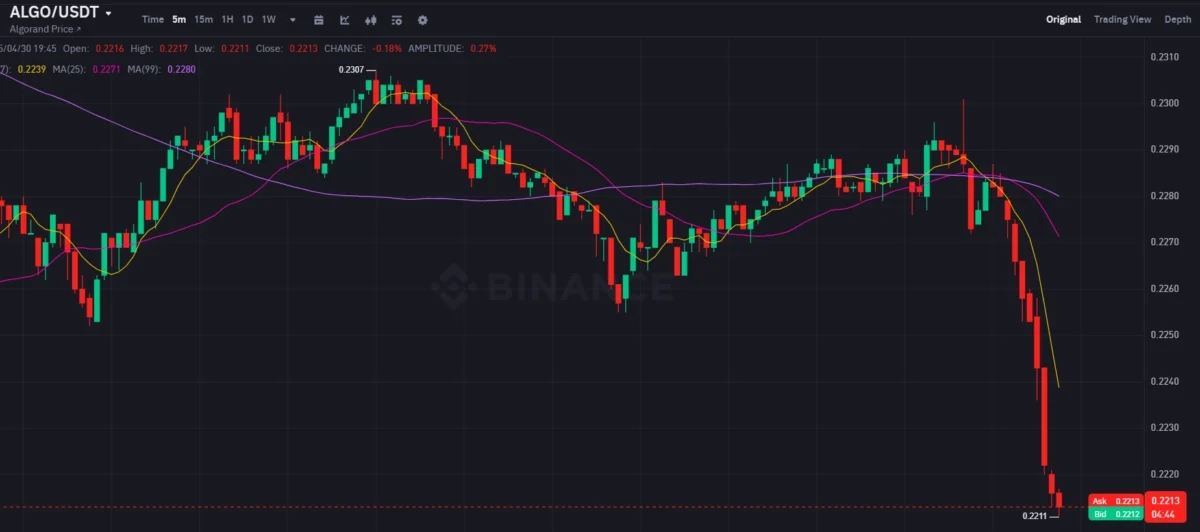
However, the news of the migration resulted in immediate, albeit modest, market volatility. Following the announcement, ALGO, the native utility token of the Algorand network, experienced a price decline of approximately 3%, settling at $0.2213 on the Binance exchange. Analysts suggest that while the migration does not necessarily invalidate the technical capabilities of the Algorand network, it represents a loss of high-profile institutional branding for the project.
From a strategic perspective, FIFA’s decision appears to be driven by a desire for greater autonomy and infrastructure flexibility. In its official migration FAQ, the organization stated that the creation of a dedicated "FIFA Blockchain" was intended to "support new experiences, enable wallet compatibility, and provide stronger foundations for future innovation." This language suggests that FIFA is looking to move beyond the constraints of a single partner’s ecosystem, opting instead for a "blockchain-agnostic" approach that allows for easier integration with third-party developers and future metaverse initiatives.
Strategic Analysis: Why the Move to EVM?
The decision to migrate to an EVM-compatible environment is a calculated move that reflects the current state of the digital asset market. Several factors contribute to the strategic logic behind this transition:
- Developer Ecosystem: The EVM ecosystem boasts the largest developer talent pool in the blockchain industry. By adopting this standard, FIFA makes it significantly easier for third-party studios and developers to build games, tools, or interactive experiences around FIFA-licensed digital assets.
- Market Liquidity and Interoperability: Assets residing on EVM-compatible chains are more easily integrated into mainstream NFT marketplaces, such as OpenSea or Rarible. This interoperability increases the potential liquidity of FIFA’s digital collectibles, as they can be traded on platforms that are already familiar to the average crypto-native user.
- Future-Proofing: As the landscape of digital collectibles shifts from simple, static JPEGs toward interactive, utility-driven tokens (such as digital assets that can be used in video games or virtual stadiums), the ability to execute complex smart contracts is paramount. The EVM remains the gold standard for this type of programmable functionality.
Looking Ahead: The Future of FIFA’s Digital Footprint
The migration marks the end of an era where FIFA relied heavily on a singular blockchain partner for its digital identity. Instead, it signals the beginning of a phase where FIFA acts more like a platform provider itself, potentially managing its own infrastructure to ensure a consistent experience for millions of global football fans.
For the average collector, the migration is primarily a logistical exercise. While the change in wallet providers may present a minor inconvenience, the overarching goal of the upgrade is to provide a more robust infrastructure that can handle the high transaction volumes expected during future World Cup events or major tournaments.
FIFA’s move also highlights the maturation of sports organizations in the digital space. Initially, many leagues approached blockchain technology as a marketing experiment. Today, they are treating it as a core component of their digital infrastructure. By prioritizing scalability and compatibility, FIFA is demonstrating a long-term commitment to the digital collectibles market, ensuring that the history of football can be preserved, traded, and experienced in a digital format that is built to endure the evolving demands of the Web3 landscape.
As the May 20 deadline approaches, the organization’s focus will likely shift toward ensuring that the transition is as transparent and frictionless as possible. The success of this migration will be measured not just by the technical stability of the new blockchain, but by the continued engagement of the fan base that has supported the FIFA Collect ecosystem since its inception. Whether this move will unlock the next phase of fan engagement remains to be seen, but it is clear that FIFA is positioning itself to be a significant, independent force in the global digital asset economy.