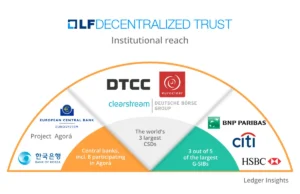
Hunter Horsley, CEO and co-founder of Bitwise, a prominent crypto index fund manager, has issued a bold prediction regarding the future of digital assets within the global financial landscape. In a recent interview on the Talking Tokens podcast, Horsley stated that a significant majority of financial institutions are poised to embrace cryptocurrencies and related technologies in the near future. His assertion, based on extensive interactions with top executives across the banking sector, suggests a rapid and transformative shift in how the traditional finance world perceives and integrates digital assets.
Institutional Embrace of Digital Assets: A Rapid Onset
Horsley’s central thesis revolves around a substantial uptick in institutional engagement with crypto. He forecasts that "two-thirds of all financial institutions will be in crypto in the next six months." This projection stems from direct conversations with CEOs, presidents, and chairmen of major banks. The implication of such widespread adoption is profound, suggesting that the digital asset space is moving beyond its speculative niche and firmly into the realm of mainstream financial strategy.
The timeline provided by Horsley is notably aggressive. While many analysts have predicted institutional adoption, the six-month timeframe indicates a heightened sense of urgency and a belief that the necessary infrastructure, regulatory clarity (or at least evolving frameworks), and investor demand are converging rapidly. This rapid integration could fundamentally alter the global financial system, introducing new avenues for investment, payment, and value storage.
Furthermore, Horsley extends this optimistic outlook to the broader fintech industry. He anticipates that "over half of all financial technology companies and 6 [presumably referring to a specific category or number of significant players within fintech] will also be in crypto." This suggests a parallel movement within the technology sector that powers financial services, indicating a holistic embrace of digital assets across both traditional finance and its technological enablers.
The Vision: Mainstream Adoption and Ubiquitous Integration
The driving force behind this predicted institutional surge, according to Horsley, is the overarching aspiration for crypto to become a "mainstream store of value, a mainstream asset class, a mainstream new set of rails and that billions of people use it." This vision transcends the initial promise of decentralized finance and highlights a more pragmatic, utility-driven adoption. The integration of financial institutions suggests a move towards providing these digital asset services to their existing client bases, thereby onboarding a vast number of individuals and businesses into the crypto ecosystem.
The power of this institutional embrace lies in its potential to legitimize and scale the digital asset market. When major banks and financial technology firms engage with crypto, they bring with them established trust, extensive customer networks, and significant capital. This can lead to increased liquidity, more sophisticated financial products, and a broader understanding of the risks and rewards associated with digital assets. Horsley emphasizes this by stating that having "hundreds of the world’s most powerful corporations and institutions joining crypto and bringing it to their audience is immensely powerful."
Context and Background: The Evolution of Institutional Crypto Engagement
The financial industry’s journey with digital assets has been a long and evolving one. Initially, many traditional financial institutions viewed cryptocurrencies with skepticism, citing concerns about volatility, regulatory uncertainty, and security. However, over the past decade, a discernible shift has occurred.
Early Skepticism and Cautious Exploration (2010s): In the early days, cryptocurrencies like Bitcoin were largely the domain of tech enthusiasts and early adopters. Banks and financial regulators often issued warnings about the speculative nature of these assets and the potential for illicit activities. Some institutions experimented with blockchain technology for back-office applications, but direct engagement with cryptocurrencies as investable assets was rare.
Growing Interest and Pilot Programs (Late 2010s – Early 2020s): As the market capitalization of cryptocurrencies grew and the underlying blockchain technology demonstrated its potential, institutional interest began to rise. Asset managers started offering Bitcoin futures, and some larger firms began exploring custody solutions for digital assets. Regulatory bodies also started to grapple with how to oversee this nascent market.
The Spot Bitcoin ETF Milestone (2024): A pivotal moment in the institutional adoption narrative was the approval and launch of spot Bitcoin Exchange-Traded Funds (ETFs) in the United States in January 2024. This development, spearheaded by major asset managers like BlackRock and Fidelity, has provided a regulated and accessible avenue for traditional investors to gain exposure to Bitcoin without directly holding the cryptocurrency. The success and significant inflows into these ETFs have been a strong indicator of pent-up institutional demand.
The Role of Infrastructure and Regulation: The development of robust infrastructure, including institutional-grade custody solutions, trading platforms, and compliance tools, has been crucial for facilitating institutional entry. Simultaneously, evolving regulatory frameworks, albeit still fragmented across jurisdictions, have provided greater clarity and confidence for financial institutions.
Horsley’s prediction appears to be building upon these foundational shifts, suggesting that the recent approvals of spot ETFs and the ongoing maturation of the crypto market infrastructure have created a tipping point.
Supporting Data and Emerging Trends
While Horsley’s prediction is based on his direct interactions, several observable trends support a growing institutional appetite for digital assets:
- Increased Asset Under Management (AUM) in Digital Asset Funds: Data from various crypto analytics firms consistently show a rise in institutional inflows into crypto-related investment products. The success of the spot Bitcoin ETFs is a prime example, with billions of dollars flowing into these products shortly after their launch.
- Development of Institutional-Grade Infrastructure: Companies specializing in crypto custody, trading, and prime brokerage services have reported significant growth in their institutional client bases. These services are essential for institutions that need secure and compliant ways to interact with digital assets.
- Expansion of Crypto Services by Traditional Financial Players: Major financial institutions are increasingly offering or exploring crypto-related services. This includes enabling clients to trade cryptocurrencies, developing stablecoin solutions, and exploring the use of blockchain for asset tokenization and settlement.
- Growth in Corporate Treasuries Holding Digital Assets: While still a minority, a growing number of publicly traded companies have added Bitcoin or other cryptocurrencies to their balance sheets, signaling a recognition of digital assets as a potential store of value or a way to diversify treasury holdings.
- Tokenization of Real-World Assets (RWAs): The concept of tokenizing traditional assets like real estate, bonds, and equities on blockchain technology is gaining traction. This process could revolutionize how assets are owned, traded, and managed, and it requires the participation of established financial institutions.
Potential Implications of Widespread Institutional Adoption
The implications of Horsley’s prediction, if realized, are far-reaching:
- Enhanced Market Liquidity and Stability: Increased institutional participation can lead to deeper liquidity pools, potentially reducing price volatility and making the market more accessible for a broader range of investors.
- Mainstream Integration of Digital Assets: Digital assets could transition from being niche investments to integral components of diversified portfolios for both retail and institutional investors.
- Innovation in Financial Products and Services: The integration of crypto could spur the development of new financial instruments, payment systems, and investment strategies, leveraging the unique properties of blockchain technology.
- Increased Regulatory Scrutiny and Development: As more traditional financial players enter the space, regulators are likely to intensify their focus on developing comprehensive frameworks to ensure market integrity, investor protection, and financial stability.
- Potential for Greater Financial Inclusion: By providing accessible digital asset services through trusted financial institutions, more individuals globally could gain access to a wider range of financial tools and opportunities.
- Shift in Global Financial Rails: The underlying blockchain technology could eventually underpin new global payment and settlement systems, potentially offering greater efficiency and lower costs compared to existing infrastructure.
Reactions and Perspectives
While Horsley’s statement is a strong indicator, it represents one perspective within the dynamic crypto ecosystem. Other industry leaders and analysts have offered varying timelines and views on institutional adoption:
- Optimistic but More Gradual Projections: Some analysts agree with the trajectory of institutional adoption but believe the timeline may be longer than six months, citing ongoing regulatory challenges, the need for further technological maturation, and the conservative nature of many large financial institutions.
- Focus on Specific Use Cases: Others emphasize that institutional adoption might initially focus on specific, well-defined use cases like stablecoins for payments, tokenization of assets, or the use of blockchain for post-trade settlement, rather than immediate broad investment in volatile cryptocurrencies.
- Emphasis on Risk Management: Many institutions will prioritize robust risk management frameworks, security protocols, and compliance measures before fully committing to digital asset investments.
The prevailing sentiment within the crypto industry is one of increasing institutional interest, driven by technological advancements, growing investor demand, and the potential for significant market opportunities. Horsley’s bold prediction serves as a strong signal of this evolving sentiment, suggesting that the era of mainstream financial institutions fully embracing digital assets may be closer than many anticipated.
Conclusion: A New Financial Frontier
Hunter Horsley’s assertion that two-thirds of financial institutions will engage with crypto within the next six months is a bold and potentially transformative prediction. If accurate, it signals a profound shift in the financial industry, moving digital assets from the periphery to the core of global finance. This anticipated wave of institutional adoption, fueled by a desire for mainstream integration as a store of value and a new set of financial rails, has the potential to reshape investment landscapes, drive innovation, and ultimately impact billions of individuals worldwide. The coming months will be critical in observing whether this optimistic forecast materializes, marking a new chapter in the evolution of finance.