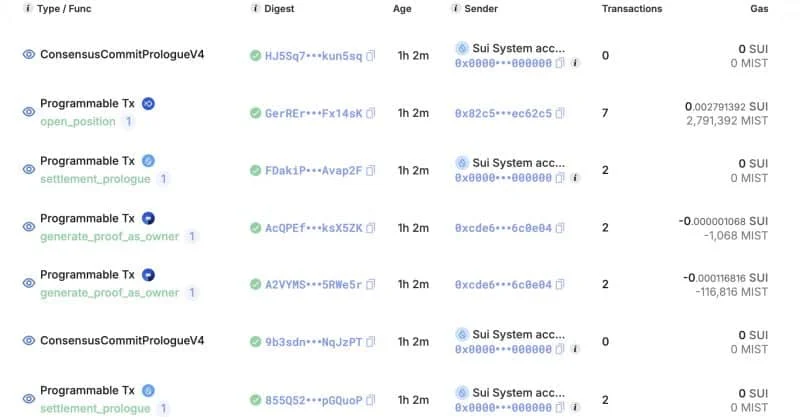
The Sui blockchain’s mainnet has successfully resumed operations following an extended period of downtime that lasted approximately 5 hours and 55 minutes. The disruption, which brought the network to a complete standstill, was attributed to a critical bug discovered in the gas charging logic within the network’s latest software release, version 1.72. This flaw effectively halted the network’s ability to process new blocks and finalize transactions, impacting all decentralized applications (dApps) and services built upon the Sui ecosystem. Validators, the decentralized network operators responsible for maintaining the blockchain’s integrity, collaborated to deploy a patched version of the software, restoring normal checkpoint production on May 29.
The Genesis of the Outage: A Flaw in Transaction Cost Calculation
The core of the problem lay in a fundamental component of blockchain operation: the mechanism by which transaction costs, or gas fees, are calculated. In the context of Sui, the code responsible for determining how much users pay for executing transactions contained a critical flaw in the 1.72 release. This error prevented the network’s consensus mechanism from functioning correctly, leading to a cascade failure where new blocks could no longer be produced. Consequently, the entire network effectively froze, unable to process any new transactions or advance its state.
The outage commenced on May 28, when validators running the newly deployed 1.72 update encountered the bug. This led to an immediate cessation of new checkpoint production, the process by which blocks are finalized and added to the blockchain. Without the ability to finalize new checkpoints, the network became immutable for new entries, effectively freezing all ongoing and pending transactions. This scenario underscores the delicate balance required for blockchain network stability, where even a seemingly minor bug in a core protocol can have significant and widespread consequences.
The Path to Recovery: A Coordinated Validator Effort
Restoring the Sui network was not a simple matter of reverting to a previous state. The blockchain’s consensus protocol, designed for robust security and decentralization, mandates a specific quorum of validators to agree on any significant network upgrade or change. In this instance, recovery required validators holding more than two-thirds of all staked tokens to successfully upgrade to the patched software. This distributed consensus requirement, while a cornerstone of blockchain security, can also present challenges during emergency recovery scenarios, necessitating a high degree of coordination and swift action from the validator community.
The process involved identifying the specific bug, developing a fix, testing the patch, and then distributing and deploying it across the global network of validators. Each validator had to manually initiate the upgrade process on their respective nodes. The time taken for this widespread adoption of the patched software directly correlated with the duration of the outage. The success of this coordinated effort highlights the resilience and collaborative spirit of the Sui validator community, who worked diligently to resolve the issue and minimize downtime.
Unwavering Security: No User Funds Compromised
Crucially, during the nearly six-hour disruption, the Sui network’s underlying security guarantees held firm. No user funds were lost, and the network’s architecture successfully prevented any data inconsistencies or corruption from occurring while the chain was stalled. This is a testament to the robust design principles of the Sui blockchain, which prioritizes the safety and integrity of user assets. While the network was non-operational for transactions, the ledger itself remained intact, ensuring that no data was lost or altered in an unauthorized manner. This aspect is paramount for maintaining trust and confidence within the blockchain ecosystem, particularly for users engaging in high-value financial activities.
The Ripple Effect: DeFi Protocols in Stasis
The consequences of the network outage extended directly to the decentralized finance (DeFi) ecosystem built upon Sui. During the downtime, all DeFi protocols operating on the network were effectively frozen. This meant that users were unable to:
- Adjust existing positions: Traders and investors could not modify their leveraged positions, stop-loss orders, or other risk management tools, leaving them exposed to market volatility.
- Execute new trades: The inability to finalize transactions meant that new buy or sell orders on decentralized exchanges (DEXs) could not be processed, preventing market participation.
- Trigger liquidations: In leveraged trading, liquidations are a critical mechanism to prevent cascading losses. The stalled network prevented these automatic liquidations from firing, potentially leading to larger unrealized losses for affected users once the network resumed.
The paralysis of DeFi protocols highlights the interconnectedness of blockchain infrastructure and the applications that rely on it. A disruption at the Layer 1 level has immediate and tangible impacts on the user experience and the operational capacity of the entire ecosystem.
A Recurring Pattern: Previous Outages Raise Concerns
The recent outage is not an isolated incident for the Sui network. This marks the second significant, multi-hour disruption the blockchain has experienced in relatively quick succession. On January 14, 2026, the network endured a similar stall, lasting approximately six hours, which was attributed to a different bug related to the consensus commit process.
The recurrence of such extended downtimes within a period of roughly five months presents a notable trend that is difficult to overlook. Both incidents share a common thread: a bug introduced through a software update, followed by a substantial period of network unavailability that required a coordinated effort among validators to implement a fix. This pattern raises questions about the robustness of Sui’s software development and deployment processes, particularly concerning the rigorous testing and auditing required for critical infrastructure updates.
Market Reaction: SUI Token Experiences Volatility
The cryptocurrency market, known for its sensitivity to network events and fundamental developments, reacted swiftly to the outage. During the downtime, the price of the SUI token experienced a notable decline, reportedly falling to approximately $0.89. This represented a price drop in the range of 6-8%. Following the restoration of normal network operations, the SUI token showed signs of recovery, indicating that market sentiment is closely tied to the network’s operational status. Such price fluctuations serve as a real-time indicator of investor confidence and risk perception associated with the underlying blockchain infrastructure.
Implications for Investors and the Sui Ecosystem
Sui has strategically positioned itself as a high-throughput Layer 1 blockchain, designed to cater to the demanding requirements of sophisticated DeFi applications and to attract significant institutional capital. The growth of its ecosystem, with total value locked (TVL) reaching hundreds of millions of dollars since its launch, underscores the ambition and potential of the network. However, recurring outages pose a significant challenge to this positioning.
For investors, the price action observed during the outage provides a potential playbook for future scenarios. A 6-8% decline followed by a partial recovery suggests that the market is sensitive to these disruptions but also resilient enough to recover when stability is restored. Nonetheless, repeated instances of downtime can erode investor confidence over the long term, potentially deterring new capital inflows and impacting the perceived reliability of the network.
The sustained success of Sui in attracting institutional capital and supporting high-demand dApps hinges on its ability to demonstrate consistent uptime and operational stability. Future software updates will likely be scrutinized even more closely by developers, investors, and the broader community. The team behind Sui will face pressure to enhance their quality assurance processes, implement more robust pre-deployment testing protocols, and potentially explore more advanced methods for mitigating the impact of bugs in future releases. The ability to learn from these incidents and implement lasting improvements will be critical for Sui’s long-term viability and its aspiration to become a leading blockchain infrastructure.
Looking Ahead: Strengthening Network Resilience
The Sui development team has acknowledged the incident and is expected to provide further details on the specific root cause analysis and the measures being implemented to prevent similar occurrences. The focus for the Sui community and its stakeholders will now shift towards understanding the lessons learned from this outage and ensuring that the network’s infrastructure is sufficiently resilient to handle the demands of a rapidly evolving blockchain landscape. The goal is to foster an environment where developers can build and innovate with confidence, knowing that the underlying network is stable and secure.